Anúncios
Simultaneous interpretation bridges language gaps in real-time, enabling seamless communication across cultures, conferences, and global events with precision and speed.

In our increasingly interconnected world, the ability to communicate across language barriers has become more critical than ever. Whether you’re attending an international summit, watching a foreign film, or participating in a multilingual business meeting, simultaneous interpreters play a vital role in making these experiences accessible and meaningful.
The art and science of simultaneous interpretation combine linguistic expertise, cultural awareness, and technological innovation. From human professionals working in soundproof booths to cutting-edge AI-powered apps, the landscape of real-time translation continues to evolve, offering solutions for every need and budget.
🎯 What Makes Simultaneous Interpretation Unique
Unlike consecutive interpretation where the speaker pauses to allow translation, simultaneous interpretation happens in real-time. The interpreter listens and translates almost instantly, typically with only a few seconds of delay. This demanding skill requires exceptional concentration, linguistic fluency, and the ability to multitask at the highest level.
Professional simultaneous interpreters undergo years of specialized training to master this craft. They must possess near-native proficiency in at least two languages, deep cultural knowledge, and the mental stamina to maintain accuracy while processing information at incredible speeds.
The cognitive load is so intense that professional interpreters typically work in pairs, switching every 20-30 minutes to maintain quality. This rotation ensures that the interpretation remains accurate and that the interpreters can sustain their performance throughout lengthy sessions.
The Technology Behind Modern Interpretation
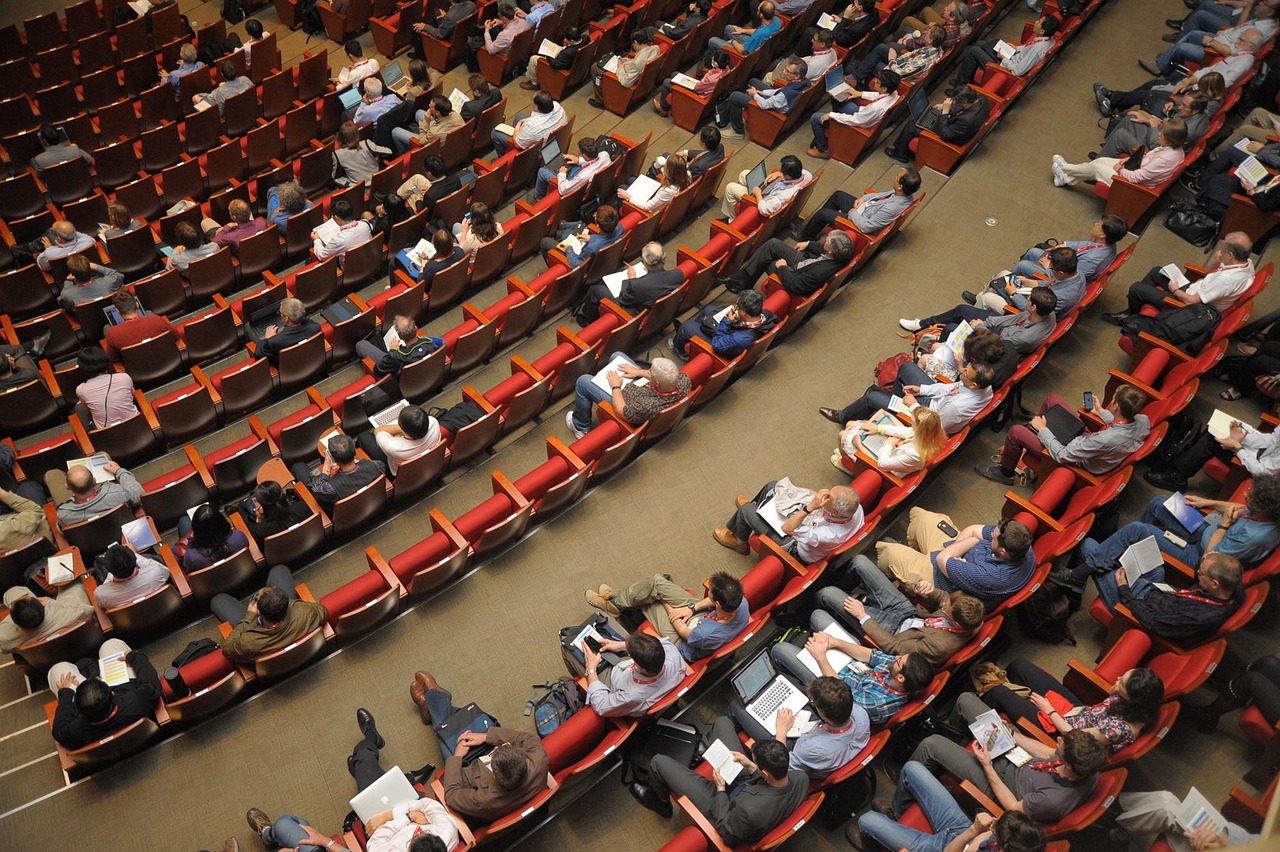
Traditional simultaneous interpretation relies on specialized equipment including soundproof booths, headsets, and radio transmission systems. Conference venues invest heavily in this infrastructure to support international events, diplomatic meetings, and multicultural gatherings.
However, technology has democratized access to interpretation services. Modern translation apps now offer simultaneous interpretation features that anyone can access through their smartphone. While these digital solutions may not replace human interpreters in high-stakes situations, they’ve made basic communication possible for millions of travelers, students, and professionals worldwide.
💼 Professional Applications and Industries
Simultaneous interpretation serves countless industries and scenarios. International organizations like the United Nations employ hundreds of interpreters to facilitate global dialogue. These professionals work across multiple language pairs, ensuring that delegates from every nation can participate fully in discussions that shape world policy.
The corporate world relies heavily on simultaneous interpretation for multinational meetings, product launches, and training sessions. When companies expand globally, effective communication becomes a competitive advantage. Professional interpreters enable executives to negotiate deals, present strategies, and build relationships across linguistic divides.
Medical and Legal Contexts
Healthcare settings present unique challenges for interpretation. Medical interpreters must understand complex terminology, maintain patient confidentiality, and convey nuanced information that can impact treatment decisions. The stakes are incredibly high, as miscommunication could have serious health consequences.
Similarly, legal interpretation requires precision and neutrality. Court interpreters facilitate justice by ensuring that non-native speakers fully understand proceedings and can effectively participate in their own defense or testimony. This work demands not only linguistic skill but also knowledge of legal systems and terminology.

📱 Digital Solutions for Everyday Users
The smartphone revolution has brought simultaneous interpretation capabilities to everyone’s pocket. Translation apps now feature conversation mode, voice recognition, and real-time text translation that work across dozens of languages. These tools have transformed how people travel, study, and conduct business internationally.
Modern translation applications use artificial intelligence and machine learning to improve accuracy continuously. They analyze billions of translated texts to understand context, idioms, and cultural nuances. While not perfect, these systems have reached impressive levels of fluency for common language pairs and everyday conversations.
Features That Matter Most
When choosing a translation app for simultaneous interpretation, several features enhance usability and accuracy:
- Offline mode: Access translations without internet connection, perfect for international travel
- Voice recognition: Speak naturally and receive instant audio translation
- Camera translation: Point your camera at signs, menus, or documents for instant visual translation
- Conversation mode: Enable back-and-forth dialogue between speakers of different languages
- Dialect support: Recognition of regional variations and accents within languages
- Phrasebook integration: Save commonly used translations for quick access
These features combine to create powerful tools that can handle real-world communication challenges. Whether ordering food in Tokyo, asking directions in Paris, or discussing business terms in São Paulo, modern apps provide practical assistance that would have seemed like science fiction just a decade ago.
🌍 The Cultural Dimension of Translation
Effective simultaneous interpretation goes far beyond word-for-word translation. The best interpreters understand that language carries cultural context, historical references, and social nuances that require adaptation rather than direct translation. A skilled interpreter serves as a cultural bridge, not just a linguistic converter.
Idioms, humor, and metaphors pose particular challenges. A phrase that’s perfectly clear in one language might be nonsensical when translated literally. Professional interpreters must quickly assess context and find equivalent expressions that preserve the original meaning and tone.
Navigating Sensitive Topics
Interpreters often work with emotionally charged or sensitive content. Diplomatic negotiations, medical diagnoses, legal proceedings, and personal stories all require interpreters to maintain professional distance while conveying information with appropriate empathy and accuracy.
Ethical guidelines govern interpretation work, emphasizing confidentiality, impartiality, and accuracy. Interpreters must translate what is said without adding, omitting, or editorializing, even when they disagree with the content or find it personally challenging.
🎓 Training and Career Development
Becoming a professional simultaneous interpreter requires dedicated education and practice. Many universities offer specialized programs in conference interpretation, typically at the master’s level. These programs combine intensive language training with interpretation techniques, technology skills, and subject-matter expertise.
Students spend countless hours in interpretation labs, practicing with recorded speeches and live scenarios. They learn to manage stress, maintain concentration, and develop strategies for handling difficult terminology or fast-paced speakers. The training mirrors the intense cognitive demands of professional work.
Specialization Areas
Many interpreters develop expertise in specific fields to enhance their marketability and effectiveness. Common specializations include:
- Medical and pharmaceutical interpretation
- Legal and judicial services
- Technical and scientific conferences
- Business and finance
- International relations and diplomacy
- Media and entertainment
Specialization allows interpreters to build vocabulary in their chosen field and understand the concepts they’re translating. A medical interpreter learns anatomy and pharmaceutical terms, while a business interpreter masters financial jargon and market terminology.
⚡ Challenges in Real-Time Translation
The simultaneous interpretation process presents unique challenges that distinguish it from other forms of translation. The time pressure is relentless—interpreters cannot pause to consult dictionaries or deliberate over word choices. They must make split-second decisions while maintaining accuracy and naturalness.
Accents, speech speed, and audio quality all impact interpretation difficulty. A heavily accented speaker or one who talks extremely fast taxes even experienced interpreters. Poor audio quality, whether from faulty equipment or noisy environments, adds another layer of challenge to already demanding work.
Managing Cognitive Load
The mental effort required for simultaneous interpretation is extraordinary. Interpreters must listen, comprehend, translate, and speak—all at the same time. They also need to remember what was just said while processing new incoming information. This cognitive juggling act explains why interpreters work in short shifts with regular breaks.
Research has shown that simultaneous interpretation activates multiple brain regions involved in language processing, memory, attention, and executive function. The intense concentration required can lead to mental fatigue, which is why maintaining interpreter well-being is crucial for quality outcomes.
🚀 The Future of Simultaneous Interpretation
Artificial intelligence continues to advance, raising questions about the future role of human interpreters. Current AI systems excel at straightforward communication but struggle with context, cultural nuances, and complex specialized content. The consensus among experts is that AI will augment rather than replace human interpreters, at least for the foreseeable future.
Hybrid models are emerging where AI handles routine communication while human interpreters focus on high-stakes or nuanced situations. This collaboration leverages the strengths of both approaches—the speed and accessibility of AI with the cultural intelligence and adaptability of humans.
Emerging Technologies
Several technological innovations are reshaping interpretation services. Real-time transcription combined with translation provides both audio and text outputs simultaneously. Wearable devices offer discreet interpretation for one-on-one conversations. Cloud-based platforms connect interpreters with clients globally, expanding access to specialized language pairs.
Neural machine translation has dramatically improved AI translation quality by using deep learning to understand context better than previous statistical approaches. These systems continue learning from new data, constantly refining their understanding of language patterns and cultural usage.
💡 Practical Tips for Using Interpretation Services
Whether working with professional interpreters or using translation apps, certain practices improve communication effectiveness. Speaking clearly at a moderate pace helps interpreters keep up and produce accurate translations. Avoiding idioms, slang, and complex jargon when possible reduces the risk of miscommunication.
When using interpretation apps, ensure good audio quality by minimizing background noise and speaking directly toward the device’s microphone. Shorter, simpler sentences translate more accurately than long, complex constructions. Always verify understanding when important information is exchanged, as even the best interpretation can occasionally miss nuances.
Maximizing App Performance
To get the best results from translation applications, follow these strategies:
- Update apps regularly to access improved algorithms and expanded vocabularies
- Download language packs for offline use before traveling
- Speak naturally but clearly, avoiding mumbling or rushed speech
- Use the camera feature for written translations of menus, signs, and documents
- Double-check critical translations, especially for medical, legal, or financial matters
- Learn basic phrases in the target language to supplement app translations
These practices help bridge the gap between current AI capabilities and perfect communication, making your interactions smoother and more successful.
🌟 The Human Element Remains Essential
Despite technological advances, the human interpreter’s role remains irreplaceable in many contexts. The ability to read emotional subtext, adapt to unexpected situations, and navigate cultural sensitivities requires human judgment that AI cannot yet replicate. Professional interpreters bring empathy, discretion, and creative problem-solving to their work.
In diplomatic settings, business negotiations, and personal medical situations, the stakes are too high to rely solely on automated systems. Human interpreters provide quality assurance, cultural mediation, and the flexibility to handle unusual circumstances that fall outside typical language patterns.
The best approach combines technological tools with human expertise. Translation apps serve wonderfully for casual conversation, travel assistance, and basic information exchange. For important meetings, legal proceedings, medical consultations, and international diplomacy, professional human interpreters remain the gold standard.
🔄 Building Bridges Across Languages
Simultaneous interpretation—whether provided by trained professionals or advanced applications—represents humanity’s commitment to communication and understanding. In a world often divided by language barriers, these tools and skills enable collaboration, learning, and connection across cultural boundaries.
As technology continues evolving, access to quality interpretation will expand, making cross-cultural communication easier for everyone. Yet the core mission remains unchanged: helping people understand each other, share ideas, and build relationships regardless of the languages they speak.
Whether you’re a business professional preparing for an international meeting, a traveler exploring new countries, or simply someone curious about other cultures, simultaneous interpretation tools open doors to richer experiences and deeper connections. The future promises even more seamless communication, bringing our diverse world closer together through the power of language.
