
Anúncios
Radio AM/FM apps have revolutionized how millions of people consume audio content, bringing traditional broadcasting into the digital age with unprecedented convenience and accessibility.


The transition from bulky transistor radios to sleek smartphone applications represents one of the most significant shifts in broadcast media consumption. Today’s listeners no longer need dedicated hardware to enjoy their favorite stations. Instead, they carry thousands of radio stations from around the world in their pockets, accessible with just a few taps on their mobile devices.
This digital transformation hasn’t diminished radio’s relevance—it has amplified it. Radio apps combine the immediacy and personality of live broadcasting with the convenience of modern streaming technology, creating a listening experience that honors tradition while embracing innovation. Whether you’re commuting, exercising, or relaxing at home, these applications ensure your favorite content is always within reach.
📻 Why Radio Apps Continue to Thrive in the Streaming Era
Despite fierce competition from music streaming services and podcasts, radio applications maintain a loyal and growing user base. The persistence of radio’s popularity stems from several unique characteristics that differentiate it from on-demand content platforms.
Live radio offers something fundamentally different from curated playlists: spontaneity and human connection. Radio personalities create relationships with their audiences through consistent presence, local insights, and real-time interaction. Morning show banter, traffic updates, community announcements, and breaking news create a sense of shared experience that algorithm-generated playlists simply cannot replicate.
Radio apps also excel at delivering timely information. When major events unfold—whether weather emergencies, traffic incidents, or significant news developments—radio provides immediate context and continuous updates. This real-time responsiveness makes radio applications invaluable resources during critical moments when information needs change rapidly.
🌍 Global Access to Local and International Stations
One of the most compelling features of modern radio applications is their ability to dissolve geographic boundaries. Users can listen to their hometown station while traveling abroad, maintaining connections to their communities regardless of physical distance. This capability has proven particularly valuable for expatriate communities seeking cultural connections to their countries of origin.
Conversely, these apps also function as windows into distant cultures and communities. A listener in Brazil can explore radio stations from Paris, Tokyo, or New York, experiencing different musical traditions, language learning opportunities, and cultural perspectives. This global accessibility transforms radio from a purely local medium into an international discovery platform.
The technical infrastructure supporting this worldwide access involves sophisticated streaming protocols, content delivery networks, and partnerships with broadcasters across continents. Quality radio apps maintain stable connections even when users move between WiFi and cellular data, ensuring uninterrupted listening experiences.
✨ Key Features That Define Quality Radio Applications
Not all radio apps deliver equivalent experiences. The best applications distinguish themselves through thoughtful feature sets that enhance usability and listening enjoyment.
Intuitive Search and Discovery Tools
Effective search functionality allows users to find stations by location, genre, language, or specific station names. Advanced filters help listeners discover new content aligned with their interests, whether they’re seeking classical music from Vienna or sports talk radio from Boston.
Favorites and Preset Management
The ability to save preferred stations creates personalized listening experiences. Quick access to favorite channels eliminates repetitive searching and allows users to build custom collections that reflect their diverse interests and moods.
Sleep Timers and Alarm Functions
Many listeners incorporate radio into their sleep and wake routines. Sleep timers automatically stop playback after specified durations, while alarm features use radio stations as wake-up sounds, offering gentler alternatives to jarring alarm tones.
Recording and Podcast Integration
Some premium radio applications enable users to record live broadcasts for later playback, useful when favorite programs air during inconvenient times. Integration with podcast directories further expands content libraries, creating unified platforms for both live and on-demand audio.
Car Mode and Driving Integration
Recognizing that many people listen while driving, quality apps offer simplified interfaces optimized for vehicle use. Integration with Android Auto and Apple CarPlay brings radio safely into automotive environments with voice controls and dashboard displays.
📱 Technical Considerations for Optimal Performance
Behind the simple act of pressing play lies complex technology ensuring reliable streaming performance across varying network conditions and device capabilities.
Data Consumption and Quality Settings
Streaming radio consumes mobile data, an important consideration for users with limited data plans. Quality applications provide bitrate adjustment options, allowing listeners to balance audio quality against data usage. Lower bitrates reduce consumption while maintaining acceptable listening experiences for spoken content like news and talk shows.
Buffer Management and Connection Stability
Effective buffering prevents frustrating interruptions during playback. Advanced apps intelligently pre-load content during strong connections, maintaining smooth playback when signals weaken temporarily. Automatic reconnection features restore streams when connections drop completely, minimizing manual intervention.
Battery Optimization
Extended listening sessions can drain device batteries quickly. Well-designed applications minimize battery impact through efficient coding, appropriate use of device resources, and options to reduce visual elements during background playback.
🎵 The Unique Appeal of AM and FM in Digital Format
While the delivery mechanism has changed, the essence of AM and FM broadcasting remains distinctive. AM radio, despite its technical limitations compared to FM, continues serving important functions in news, sports, and talk programming. Its longer wavelength allows signals to travel greater distances and penetrate buildings more effectively than FM.
FM broadcasting delivers superior audio quality, making it the preferred medium for music programming. Radio apps that stream FM stations preserve this quality advantage, often exceeding the fidelity of traditional over-the-air reception by eliminating static and interference.
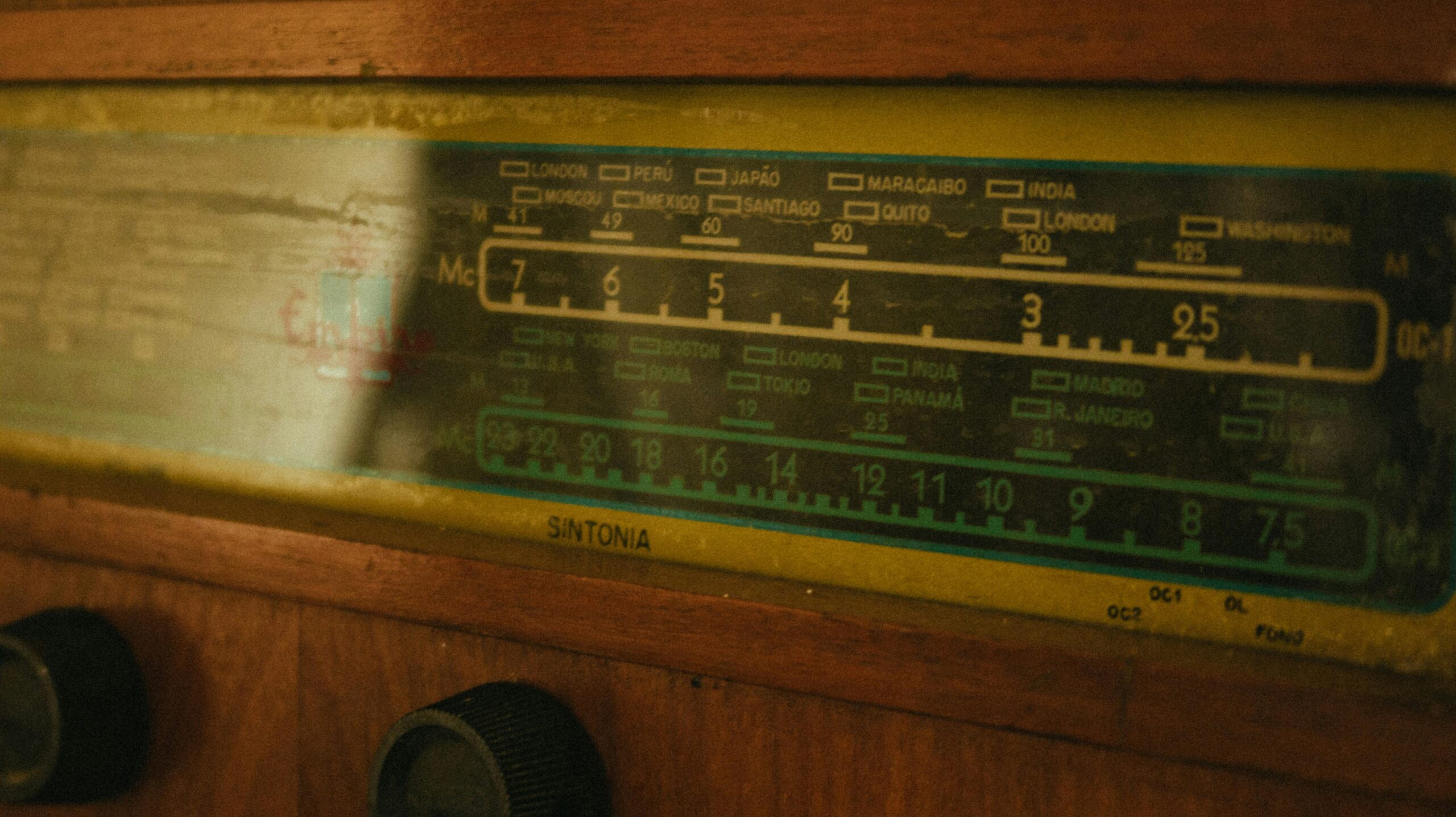
Many applications clearly indicate whether they’re streaming AM or FM sources, helping users understand audio quality expectations. Some apps even simulate the nostalgic experience of traditional radio, including visual representations of analog tuning dials and station frequency displays.
🔊 How Radio Apps Serve Niche Audiences
Beyond mainstream programming, radio applications provide platforms for specialized content that might struggle to find audiences through traditional broadcasting limitations.
Community radio stations serving specific ethnic, linguistic, or interest-based communities reach dispersed audiences through streaming apps. A Polish-language station originally broadcasting to a local immigrant community can now serve Polish speakers worldwide. College radio stations share student-produced content beyond campus boundaries, building broader listener bases.
Genre-specific stations catering to musical niches—whether jazz, electronic dance music, classical, or regional folk traditions—find dedicated audiences regardless of geographic constraints. This democratization of broadcasting allows passionate programmers to share their expertise with truly interested listeners rather than competing for mass appeal.
💡 Choosing the Right Radio App for Your Needs
The abundance of available radio applications can make selection challenging. Several factors should guide your choice based on individual priorities and listening habits.
Geographic Focus
Some apps specialize in particular regions or countries, offering deeper catalogs of local stations with better metadata and more reliable streams. If you primarily listen to stations from specific areas, regionally-focused apps often provide superior experiences compared to global platforms.
Interface and Usability
Personal preferences regarding visual design and navigation logic vary significantly. Some users prefer minimalist interfaces with simple lists, while others appreciate rich visual presentations with station logos, album artwork, and detailed information displays. Testing several options helps identify which design philosophy matches your preferences.
Free vs. Premium Options
Many radio apps operate on freemium models, offering basic functionality without charge while reserving advanced features for paid subscriptions. Consider whether features like ad removal, recording capabilities, enhanced audio quality, or expanded station access justify subscription costs based on your usage patterns.
Platform Availability
If you use multiple devices—smartphones, tablets, smart speakers, computers—selecting apps with cross-platform availability ensures consistent experiences across your ecosystem. Cloud-based favorite syncing maintains your preferences regardless of which device you’re using.
🌟 The Social Dimension of Radio Listening
Despite being a primarily solitary activity in the digital age, radio retains social elements that foster community connections. Call-in programs, listener dedications, and social media integration create participatory experiences where audiences actively contribute to content creation.
Some radio applications incorporate social features allowing users to see what others are listening to, share favorite stations, or participate in listener communities. These functions acknowledge that shared listening experiences, even when physically separated, create bonds between people with common interests.
Local radio’s community function remains particularly vital during emergencies. When natural disasters disrupt normal communications, radio provides reliable information distribution channels. Radio apps extend this emergency communication capacity, ensuring people can access critical information even when traditional broadcasting infrastructure suffers damage.
🚀 Future Developments in Radio App Technology
The evolution of radio applications continues as developers integrate emerging technologies and respond to changing listener preferences.
Artificial Intelligence and Personalization
AI-powered recommendation engines are beginning to appear in radio apps, suggesting stations based on listening history and preferences. Unlike music streaming services that recommend individual songs, radio AI suggests entire stations, introducing users to new broadcasters aligned with their demonstrated interests.
Enhanced Metadata and Program Guides
Improved metadata integration provides listeners with detailed information about current programming, upcoming shows, and song histories. Electronic program guides help users discover specific programs across multiple stations, setting reminders for favorite shows regardless of which station broadcasts them.
Integration with Smart Home Ecosystems
As smart speakers and home automation systems proliferate, radio apps increasingly integrate with these platforms. Voice commands initiate playback on connected speakers, while automation routines might start specific stations at scheduled times or in response to particular triggers.
Interactive and Visual Radio
Some broadcasters experiment with hybrid formats combining traditional audio with visual elements—studio webcams, supplementary graphics, and synchronized content displays. Radio apps supporting these enhanced broadcasts offer richer experiences while maintaining core audio functionality for traditional listening scenarios.
📊 Understanding the Radio App Ecosystem
The radio application market includes several distinct categories of services, each with different business models and content approaches.
Aggregator apps collect streams from thousands of independent stations worldwide, functioning as directories rather than broadcasters. These platforms typically don’t produce content themselves but provide unified interfaces for discovering and accessing diverse sources.
Broadcaster-specific apps serve individual radio companies or station groups, offering branded experiences with deep integration of station-specific features, exclusive content, and enhanced interactivity with particular programming.
Hybrid apps combine live radio with on-demand content, podcast libraries, and custom streaming channels. These comprehensive audio platforms position radio as one component within broader audio entertainment ecosystems.
🎧 Maximizing Your Radio App Experience
Several practical strategies enhance enjoyment and functionality when using radio applications regularly.
Explore beyond familiar territories by occasionally browsing stations from unfamiliar locations or genres. Serendipitous discovery often leads to unexpected favorites that algorithms might never suggest. International stations provide language practice opportunities, cultural insights, and musical diversity.
Take advantage of customization options to tailor interfaces and functionality to your preferences. Organize favorite stations into categories—morning news sources, workout music, evening relaxation—for quick access to appropriate content for different situations.
Monitor data usage if operating under limited cellular plans. Download content when available, use WiFi for extended listening sessions, and adjust quality settings to match your data budget without severely compromising audio experience.
Engage with broadcasters through social media, call-in opportunities, and feedback mechanisms. Active participation enriches the listening experience and helps stations understand audience preferences, ultimately improving programming quality.
🌐 Radio Apps as Cultural Preservation Tools
Beyond entertainment and information functions, radio applications serve important cultural preservation roles. Indigenous language broadcasters reach diaspora communities, helping preserve linguistic traditions that might otherwise fade. Traditional music programming maintains connections to cultural heritage, introducing younger generations to artistic traditions from their ancestral cultures.
Local radio documenting community events, preserving regional dialects, and featuring local artists creates audio archives of cultural significance. The accessibility provided by streaming apps ensures these cultural resources reach audiences who can benefit most from maintaining these connections.
Educational radio programming—from language learning shows to academic lectures—becomes globally accessible through apps, democratizing educational resources regardless of geographic or economic barriers. This educational dimension extends radio’s impact far beyond entertainment, positioning it as a tool for personal development and lifelong learning.
🔐 Privacy and Security Considerations
Like all connected applications, radio apps collect various types of user data. Responsible users should understand what information apps gather and how it’s utilized.
Most radio applications track listening habits to improve recommendations and provide usage statistics to broadcasters. Location data may be collected to suggest nearby stations or provide localized content. Account information, when required, typically includes basic contact details and payment information for premium subscriptions.
Review privacy policies before installing apps, particularly regarding data sharing with third parties. Reputable applications clearly disclose their data practices and provide controls allowing users to limit information collection. Consider whether requested permissions align with app functionality—a radio app requesting access to contacts or messages may warrant additional scrutiny.
Regular updates address security vulnerabilities and improve data protection. Maintaining current app versions ensures you benefit from the latest security enhancements and privacy controls developers implement in response to evolving threats and regulations.
💬 The Enduring Magic of Live Broadcasting
In an era of infinite on-demand content, live radio’s spontaneity and immediacy provide refreshing alternatives to algorithmic curation. The uncertainty of not knowing exactly what comes next, the possibility of discovering new music organically, and the human connection with radio personalities create experiences fundamentally different from clicking through predetermined playlists.
Radio apps successfully translate these timeless broadcasting qualities into modern formats, proving that compelling content and authentic human connection transcend delivery mechanisms. Whether you’re tuning into a beloved local morning show or exploring an overseas station broadcasting in an unfamiliar language, radio apps deliver the magic of broadcasting to wherever you happen to be.
The convergence of traditional radio broadcasting with mobile technology has created something greater than either component alone—accessible, diverse, immediate audio content that honors radio’s storied past while embracing its digital future. As technology continues evolving, radio apps will undoubtedly adapt and improve, but their core purpose remains unchanged: connecting listeners with the voices, music, and information that enrich daily life.
