Anúncios
Zumba has revolutionized the fitness world by transforming exercise into an energetic dance party that combines Latin rhythms with cardiovascular training.

What started as a happy accident in the mid-1990s has blossomed into a global phenomenon embraced by millions of fitness enthusiasts across more than 180 countries. This unique workout format merges the joy of dancing with the benefits of high-intensity interval training, creating an experience that barely feels like traditional exercise.
The magic of Zumba lies in its accessibility and infectious energy. Whether you’re a seasoned dancer or someone who’s never stepped foot in a fitness class, Zumba welcomes everyone with open arms and pulsating beats that make movement irresistible. 💃
The Unexpected Birth of a Fitness Revolution
The Zumba story begins with Colombian dancer and choreographer Alberto “Beto” Pérez in the mid-1990s. During one fateful aerobics class in Cali, Colombia, Beto forgot his traditional workout music. Instead of canceling the session, he grabbed whatever tapes he had in his backpack—a collection of salsa, merengue, and reggaeton tracks.
What emerged was pure improvisation genius. Beto choreographed movements on the spot, blending traditional aerobics with Latin dance styles. The class participants loved the spontaneous fusion, and Beto realized he had stumbled upon something extraordinary. This serendipitous moment laid the foundation for what would become a multi-million dollar fitness empire.
By 2001, Beto had partnered with entrepreneurs Alberto Perlman and Alberto Aghion to bring Zumba to the United States. The trio initially struggled to gain traction through traditional fitness industry channels, but a targeted infomercial campaign changed everything. The response was overwhelming, and Zumba classes began sprouting up in gyms nationwide.
What Makes Zumba Different From Traditional Workouts? 🎵
Unlike conventional fitness programs that can feel repetitive or monotonous, Zumba disguises exercise as celebration. The program incorporates diverse musical styles including salsa, merengue, cumbia, reggaeton, flamenco, and even Bollywood rhythms. This variety keeps participants engaged and eager to return class after class.
The choreography alternates between fast and slow rhythms, naturally creating interval training without participants consciously thinking about heart rate zones or intensity levels. This approach delivers cardiovascular benefits while participants focus on mastering the next dance move rather than counting down minutes until the workout ends.
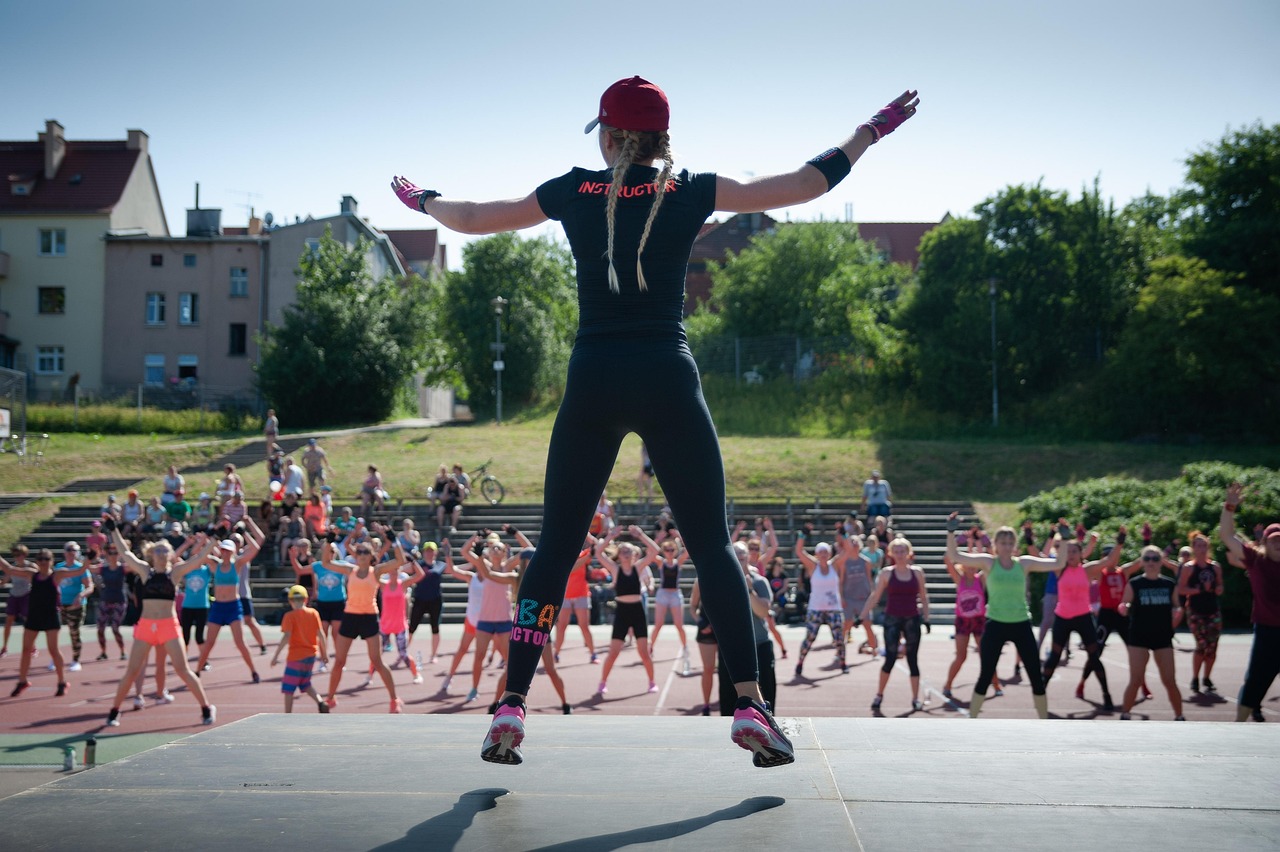
Another distinguishing feature is the party-like atmosphere. Instructors function as entertainers as much as fitness professionals, encouraging participants to let loose, smile, and enjoy the experience. There’s no judgment about perfect form or precise technique—the emphasis remains on movement, fun, and personal expression.
Physical Benefits That Go Beyond the Dance Floor
A typical Zumba session burns between 400 to 600 calories per hour, making it an effective tool for weight management and fat loss. The constant movement elevates heart rate into the cardiovascular training zone, strengthening the heart muscle and improving overall endurance.
The full-body nature of Zumba engages multiple muscle groups simultaneously. Hip movements tone the core and obliques, arm choreography sculpts shoulders and arms, while squats and lunges embedded in the routines strengthen legs and glutes. This comprehensive approach delivers balanced muscle development without requiring separate targeted exercises.
Coordination and balance improve significantly with regular Zumba practice. The choreography challenges the brain to process complex movement patterns while maintaining rhythm, enhancing neural connections and body awareness. These cognitive benefits extend beyond the studio, improving daily functional movement and reducing fall risk, especially in older adults.
Flexibility and Joint Health
The dynamic stretching inherent in Zumba movements promotes flexibility and joint mobility. Unlike static stretching routines that some find boring, Zumba incorporates stretches seamlessly within the dance sequences. The variety of movements—from salsa’s hip rotations to merengue’s side-to-side steps—keeps joints moving through diverse ranges of motion.
For individuals with arthritis or joint concerns, low-impact Zumba modifications provide gentler alternatives while maintaining the fun factor. Many instructors offer variations for different fitness levels within the same class, allowing everyone to participate at their own pace.

Mental Health and Emotional Wellbeing Advantages 🧠
The psychological benefits of Zumba rival its physical advantages. Dancing releases endorphins—the body’s natural mood elevators—creating what participants often describe as a “Zumba high.” This neurochemical response reduces stress, alleviates symptoms of depression, and promotes general feelings of happiness and wellbeing.
The social component shouldn’t be underestimated. Zumba classes foster community connections, providing opportunities to meet like-minded individuals in a positive, supportive environment. For people experiencing loneliness or social isolation, these weekly gatherings can become important social anchors that enhance quality of life.
Self-confidence flourishes in the Zumba environment. As participants master new moves and witness their own physical transformations, self-esteem naturally improves. The non-competitive atmosphere allows everyone to progress at their own pace without comparison or judgment, creating a psychologically safe space for personal growth.
Varieties of Zumba to Match Every Fitness Level
The Zumba brand has expanded far beyond the original format, offering specialized programs for different populations and fitness goals. This diversification ensures that virtually anyone can find a Zumba style that resonates with their needs and preferences.
Zumba Gold
Designed specifically for active older adults and beginners, Zumba Gold modifies the original choreography to lower intensity levels. The moves focus on balance, range of motion, and coordination while maintaining the party atmosphere. This format provides an accessible entry point for those intimidated by high-intensity classes.
Zumba Toning
This variation incorporates lightweight toning sticks (essentially maracas filled with weights) to add resistance training elements. The combination of cardio dance with strength exercises creates a comprehensive workout that builds muscle while burning calories. The rhythmic shaking of the toning sticks adds an extra layer of engagement to the routine.
Aqua Zumba 💦
Taking the party to the pool, Aqua Zumba offers the same energetic routines adapted for the water. The aquatic environment provides natural resistance for muscle toning while reducing impact on joints. This format particularly benefits individuals recovering from injuries or those with mobility limitations.
Zumba Kids and Zumba Kids Jr.
These age-appropriate programs introduce children to fitness through playful, game-based choreography. Kids burn energy, develop coordination, and build confidence while having fun with friends. The programs also emphasize important values like teamwork, respect, and leadership.
Strong Nation (formerly Strong by Zumba)
A departure from traditional Zumba, Strong Nation uses non-dance movements synchronized to music specifically engineered to match the workout. This high-intensity interval training program appeals to those who prefer athletic movements over dance steps while still craving that music-driven motivation.
Getting Started: What Beginners Need to Know ✨
Starting Zumba requires minimal equipment or preparation. Comfortable workout clothing that allows freedom of movement is essential—think breathable fabrics that wick moisture. Athletic shoes with good lateral support work best, though some dancers prefer dance sneakers that allow easier pivoting.
Hydration matters significantly during Zumba sessions. Bring a water bottle and drink regularly throughout the class. The combination of continuous movement and upbeat music can make you forget to hydrate, but proper fluid intake prevents cramping and maintains performance.
First-timers should arrive early to introduce themselves to the instructor and mention their beginner status. Most instructors will provide extra guidance and suggest positioning near the front where movements are easier to follow. Don’t worry about getting every move perfect—even experienced participants sometimes get lost in new choreography.
Common Beginner Concerns
Many newcomers worry they “can’t dance” or lack coordination. This concern is completely normal but ultimately unfounded. Zumba isn’t about perfect technique; it’s about moving your body and having fun. Instructors repeat movements multiple times, allowing ample opportunity to catch on.
If you miss a step or move in the wrong direction, simply laugh it off and jump back in. Everyone in class has been exactly where you are, and the supportive atmosphere encourages trying without fear of judgment. The more you attend, the more familiar the basic steps become.
Taking Zumba Home: Digital and Virtual Options 📱
The digital revolution has made Zumba more accessible than ever. Official Zumba apps provide on-demand classes that can be done anywhere, anytime. These platforms offer various class lengths, styles, and difficulty levels, allowing users to customize their experience based on schedule and fitness goals.
Virtual live classes exploded in popularity during recent years, connecting instructors with participants globally. These real-time sessions maintain the community energy of in-person classes while offering the convenience of home workouts. Many studios now offer hybrid models, providing both in-person and virtual attendance options.
Video game systems have also embraced Zumba, with dedicated games that track movement and provide feedback. These gamified versions add an element of competition and achievement tracking that appeals to certain personalities, making fitness feel like entertainment rather than obligation.
The Cultural Impact and Global Community 🌍
Zumba has transcended fitness to become a cultural phenomenon. The program celebrates Latin culture while embracing diversity, incorporating musical styles from around the world. This multicultural approach has helped break down barriers and introduce people to rhythms and traditions they might never otherwise encounter.
The Zumba community extends far beyond individual classes. Annual conventions bring together instructors and enthusiasts for multi-day celebrations featuring master classes, concerts, and networking opportunities. These gatherings reinforce the sense of belonging to something larger than a simple exercise program.
Social media has amplified Zumba’s reach, with instructors and participants sharing routines, achievements, and encouragement across platforms. Hashtags like #ZumbaFitness and #ZumbaLove connect millions worldwide, creating a virtual support network that motivates continued participation.
Becoming a Zumba Instructor: Sharing the Joy
For those deeply passionate about Zumba, becoming a certified instructor offers the opportunity to share that enthusiasm professionally. The Zumba Academy provides comprehensive training that covers choreography, class management, music interpretation, and business basics for fitness professionals.
The basic instructor training typically spans one to two days, concluding with certification upon successful completion. This credential allows instructors to legally teach Zumba classes and access ongoing education, music, and choreography through the Zumba Instructor Network (ZIN).
Successful instructors develop their own teaching style while maintaining the core Zumba philosophy. The best classes balance structure with spontaneity, provide clear cueing, and create an inclusive atmosphere where everyone feels welcome regardless of ability level. Teaching Zumba can become a fulfilling side career or even a full-time profession for dedicated instructors.
Maximizing Your Zumba Experience
Consistency delivers the best results. Attending classes two to three times per week allows the body to adapt and progress while providing adequate recovery time. As fitness improves, consider increasing frequency or trying different Zumba formats to continue challenging yourself.
Complement Zumba with proper nutrition to support your fitness goals. The calorie burn during classes can contribute to weight loss when combined with mindful eating habits. Stay adequately fueled before class with light carbohydrates, and refuel afterward with protein to support muscle recovery.
Listen to your body and modify movements when necessary. Pushing through pain differs from pushing through discomfort. If something hurts, reduce intensity or skip that particular movement. Zumba should invigorate, not injure. Working with qualified instructors who demonstrate modifications ensures safe participation.
Tracking Progress and Setting Goals 📊
While Zumba emphasizes fun over metrics, tracking progress can provide motivation. Consider monitoring improvements in endurance—perhaps you needed frequent breaks initially but now complete entire songs without stopping. Notice how choreography that once seemed impossibly complex now flows naturally.
Physical measurements like weight, body composition, or how clothes fit can demonstrate progress, but don’t let numbers become the sole focus. Improved mood, better sleep quality, increased energy levels, and enhanced confidence represent equally valuable outcomes that deserve celebration.
Addressing Common Myths and Misconceptions
Some skeptics dismiss Zumba as “not real exercise” because it’s fun. This misconception ignores the substantial cardiovascular demands and calorie expenditure. Research consistently demonstrates that Zumba provides legitimate fitness benefits comparable to other aerobic activities when performed regularly and with appropriate intensity.
Another myth suggests Zumba only suits young, already-fit individuals. In reality, the diverse program formats accommodate all ages and fitness levels. Modifications allow participation regardless of starting point, and many individuals discover Zumba precisely because traditional gym environments feel intimidating or unwelcoming.
Some believe you must have dance experience to succeed in Zumba. While dance background might ease the initial learning curve slightly, countless participants with zero dance training have become accomplished Zumba enthusiasts. The program teaches basic moves through repetition and practice, requiring no prerequisite skills.
The Future of Zumba: Innovation and Evolution 🚀
The Zumba brand continues evolving with emerging fitness trends and technologies. Virtual reality applications may soon offer immersive experiences that transport participants to different locations while they dance. Artificial intelligence could personalize choreography based on individual skill levels and preferences.
Sustainability and social responsibility have become priorities for the Zumba organization. Initiatives supporting health equity, environmental consciousness, and community wellness demonstrate commitment beyond commercial success. These values resonate with conscious consumers seeking brands that align with their principles.
New musical collaborations and choreographic innovations keep the program fresh and relevant. As global music trends shift, Zumba incorporates emerging styles, ensuring the playlist never becomes stale. This adaptability has been crucial to maintaining enthusiasm among long-term participants who might otherwise seek novelty elsewhere.
Why Zumba Continues to Thrive After Two Decades
The enduring success of Zumba stems from addressing fundamental human needs: connection, joy, and movement. Unlike fitness trends that rely on extreme restriction or punishment-based motivation, Zumba taps into the intrinsic pleasure of music and dance that transcends cultural boundaries.
The low barrier to entry removes common obstacles preventing exercise adoption. No expensive equipment, no complicated techniques to master before starting, no judgment about body type or ability level. This accessibility democratizes fitness in ways traditional gym culture often fails to achieve.
Most importantly, Zumba delivers results while participants focus on enjoyment rather than suffering. This psychological shift transforms exercise from obligation to celebration, dramatically improving adherence rates. When people genuinely look forward to their workout, consistency follows naturally, and consistency produces transformation.
Zumba has proven that fitness doesn’t require misery or boredom. By wrapping effective exercise in an irresistible package of music, community, and pure fun, it has created millions of enthusiastic exercisers who might otherwise remain sedentary. The program stands as testament to the power of joy in motivating lasting behavioral change. 💪✨
