
Anúncios
5G technology is revolutionizing how we connect, communicate, and interact with the digital world, bringing unprecedented speed and reliability to our mobile devices.


The fifth generation of wireless technology represents more than just faster download speeds. It’s a fundamental shift in how networks operate, promising to transform industries from healthcare to manufacturing, autonomous vehicles to smart cities. As we witness the global rollout of 5G networks, understanding its capabilities and implications becomes essential for anyone looking to stay ahead in our increasingly connected world.
While 4G brought us seamless video streaming and mobile apps that changed daily life, 5G takes connectivity to an entirely new dimension. With speeds up to 100 times faster than its predecessor and latency reduced to mere milliseconds, this technology is laying the groundwork for innovations we’re only beginning to imagine. Let’s explore what makes 5G so transformative and how it’s reshaping our digital landscape.
🚀 Understanding the Core Technology Behind 5G
At its heart, 5G operates on higher frequency radio waves than previous generations, utilizing spectrum bands ranging from sub-6 GHz to millimeter wave (mmWave) frequencies above 24 GHz. This expanded spectrum allows for significantly greater bandwidth, enabling networks to handle exponentially more data simultaneously.
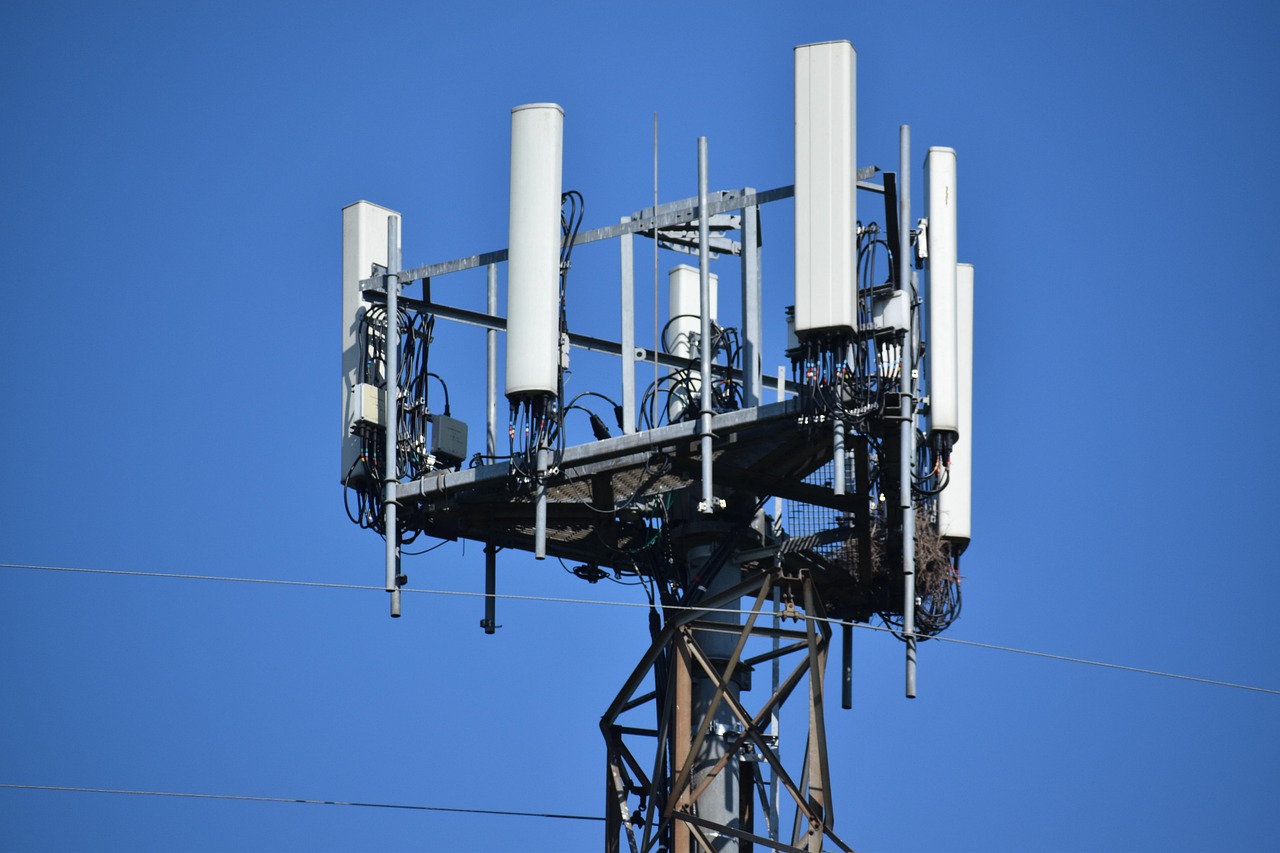
The architecture of 5G networks differs fundamentally from 4G. Rather than relying solely on large cell towers, 5G employs a dense network of small cells—compact base stations that can be mounted on buildings, streetlights, and other urban infrastructure. This distributed approach ensures consistent coverage and capacity, especially in densely populated areas where network congestion traditionally becomes problematic.
Another revolutionary aspect is network slicing, which allows operators to create multiple virtual networks within a single physical 5G infrastructure. Each slice can be customized with specific characteristics—like ultra-low latency for autonomous vehicles or high bandwidth for video streaming—ensuring optimal performance for diverse applications.
⚡ Speed and Performance: Breaking Previous Barriers
When discussing 5G, speed naturally takes center stage. Theoretical peak download speeds can reach up to 20 Gbps, though real-world performance typically ranges between 100 Mbps to 1 Gbps depending on location, network load, and device capability. To put this in perspective, downloading a full HD movie that would take minutes on 4G can be completed in seconds with 5G.
However, speed isn’t just about downloads. Upload speeds see equally impressive improvements, making activities like cloud backup, video calls, and content creation far more efficient. Content creators, remote workers, and anyone who regularly shares large files will notice transformative differences in their workflow.
Perhaps more important than raw speed is latency reduction. 5G networks can achieve latency as low as 1 millisecond, compared to 30-50 milliseconds typical of 4G. This near-instantaneous response time is crucial for applications requiring real-time interaction, such as remote surgery, autonomous vehicles, and competitive gaming.

🌍 Global Rollout and Current Coverage
The deployment of 5G networks has been progressing rapidly worldwide since commercial launches began in 2019. Countries like South Korea, China, and the United States led early adoption, with major cities receiving coverage first. Today, over 70 countries have operational 5G networks, with coverage expanding continuously.
Urban areas naturally receive priority in rollout strategies, as the high density of potential users justifies the significant infrastructure investment. Metropolitan regions in North America, Europe, and Asia now commonly offer 5G access, with suburban expansion underway. Rural deployment remains challenging due to the higher number of small cells required and lower population density affecting return on investment.
Different regions have adopted varying spectrum strategies. Some countries prioritize mid-band frequencies offering a balance between coverage and speed, while others focus on mmWave deployment for maximum performance in high-traffic zones. This diversity in approach reflects different geographical challenges and regulatory frameworks across markets.
📱 Device Compatibility and User Experience
Experiencing 5G requires compatible hardware, and manufacturers have responded enthusiastically. Most flagship smartphones released since 2020 include 5G capability, and mid-range devices increasingly incorporate the technology as component costs decrease. Beyond phones, tablets, laptops, and specialized IoT devices now support 5G connectivity.
Users upgrading from 4G devices notice immediate improvements in several areas. Web pages load almost instantly, streaming services deliver higher quality video without buffering, and video calls maintain clarity even in challenging network conditions. Mobile gaming experiences particularly benefit from reduced latency, with cloud gaming services becoming genuinely viable alternatives to console gaming.
Battery consumption initially posed challenges for early 5G devices, as the technology demanded more power than predecessors. However, newer chipsets have dramatically improved efficiency, and modern devices manage power intelligently by switching between 4G and 5G based on actual bandwidth needs, preserving battery life without sacrificing connectivity.
🏭 Industrial Applications Transforming Business
Beyond consumer applications, 5G is revolutionizing industrial operations through enhanced connectivity and reliability. Manufacturing facilities deploy private 5G networks to connect machinery, robots, and sensors, enabling real-time monitoring and control that dramatically improves efficiency and reduces downtime.
The logistics industry leverages 5G for sophisticated tracking systems, providing unprecedented visibility across supply chains. Warehouses utilize automated guided vehicles that communicate seamlessly through 5G networks, optimizing operations with minimal human intervention. This connectivity extends to delivery fleets, where real-time route optimization responds instantly to changing traffic conditions.
Healthcare applications showcase 5G’s life-saving potential. Remote surgery becomes practical with ultra-low latency ensuring surgeons’ movements translate instantaneously to robotic instruments. Ambulances equipped with 5G can transmit patient data and live video to hospitals before arrival, allowing emergency teams to prepare appropriately and potentially saving critical minutes.
🚗 Autonomous Vehicles and Smart Transportation
Self-driving vehicles depend on rapid data processing and communication, making 5G essential infrastructure for autonomous transportation. Vehicles equipped with 5G can communicate with each other (V2V) and infrastructure (V2I), sharing information about road conditions, traffic patterns, and potential hazards in real-time.
This connectivity extends beyond individual vehicles to entire transportation systems. Smart traffic lights adjust timing based on actual traffic flow, reducing congestion and emissions. Public transportation networks optimize routes dynamically, improving efficiency while enhancing passenger experience through real-time updates and entertainment options.
The implications for road safety are profound. 5G-enabled vehicles can receive instant warnings about accidents, weather hazards, or obstacles beyond their direct line of sight, providing drivers or autonomous systems crucial seconds to react. As deployment expands, this connected ecosystem promises to dramatically reduce accidents and traffic fatalities.
🏙️ Building Smart Cities of Tomorrow
Smart city initiatives rely heavily on 5G infrastructure to connect millions of sensors and devices across urban environments. Street lighting systems adjust brightness based on pedestrian and vehicle presence, conserving energy while maintaining safety. Environmental sensors monitor air quality, noise levels, and other factors, providing data that informs urban planning decisions.
Public safety benefits from interconnected surveillance systems, emergency response coordination, and disaster management capabilities that 5G enables. First responders access real-time building layouts, utility information, and video feeds when responding to emergencies, improving outcomes in critical situations.
Waste management, energy distribution, and water systems become increasingly efficient through 5G-enabled monitoring and control. Cities can identify infrastructure issues before they become problems, optimize resource usage, and respond to citizen needs more effectively, creating more livable urban environments while reducing operational costs.
🎮 Entertainment and Media Evolution
The entertainment industry embraces 5G as a catalyst for new experiences. Augmented reality (AR) and virtual reality (VR) applications, previously limited by bandwidth and latency constraints, flourish with 5G connectivity. Mobile AR games overlay digital content on the physical world with unprecedented realism, while VR experiences stream high-quality content without requiring powerful local hardware.
Live event broadcasting transforms through 5G, offering viewers multiple camera angles, 360-degree perspectives, and interactive elements previously impossible with traditional broadcasting. Sports fans enjoy immersive experiences that place them virtually courtside or on the field, fundamentally changing how we consume live entertainment.
Content creation becomes more accessible as creators upload high-resolution video and photos instantly from anywhere with 5G coverage. Live streaming quality improves dramatically, enabling professional-grade broadcasts from mobile devices. This democratization of content creation empowers new voices and perspectives in media landscapes.
🔒 Security Considerations and Privacy Concerns
As with any transformative technology, 5G introduces security considerations requiring careful attention. The distributed nature of 5G networks, with numerous small cells and edge computing nodes, expands the potential attack surface compared to previous generations. Network operators invest heavily in security protocols and monitoring systems to protect against vulnerabilities.
Privacy concerns arise from the massive increase in connected devices and data collection capabilities that 5G enables. Smart city sensors, wearable devices, and IoT applications generate unprecedented amounts of personal information. Robust data protection regulations and transparent privacy policies become essential to maintain public trust while realizing 5G’s benefits.
Encryption standards for 5G communications exceed previous generations, providing strong protection against interception. However, the sheer volume of connected devices presents challenges in ensuring each implements security best practices. Industry collaboration on security standards and user education remain crucial components of maintaining network integrity.
💰 Economic Impact and Investment Opportunities
The economic implications of 5G deployment are staggering. Estimates suggest the technology will contribute trillions of dollars to global GDP over the next decade, creating millions of jobs across industries. Telecommunications companies have committed hundreds of billions to infrastructure development, while businesses across sectors invest in applications leveraging 5G capabilities.
New business models emerge around 5G’s unique capabilities. Edge computing services, IoT platforms, and specialized network solutions create opportunities for startups and established companies alike. Industries previously limited by connectivity constraints can now pursue innovative approaches to products and services.
Investment in 5G-related technologies extends beyond networks themselves. Semiconductor manufacturers, device makers, software developers, and infrastructure companies all participate in the expanding ecosystem. This widespread investment drives innovation and economic growth across multiple sectors simultaneously.
🌱 Environmental Considerations and Sustainability
While 5G promises numerous benefits, environmental impact deserves consideration. The technology’s improved energy efficiency per bit transmitted represents progress compared to previous generations. However, the dramatic increase in data usage and number of connected devices may offset these gains unless carefully managed.
Network operators increasingly commit to renewable energy sources for powering 5G infrastructure. Solar panels, wind power, and other sustainable energy solutions reduce the carbon footprint of network operations. The small cell architecture of 5G actually facilitates this transition, as distributed installations are easier to power with renewable sources than massive tower facilities.
5G can contribute positively to environmental goals through enabling smart grid technologies, precision agriculture, and efficient resource management systems. The same connectivity that drives economic growth can help monitor ecosystems, reduce waste, and optimize energy consumption across industries when deployed thoughtfully.
🔮 Future Developments and What’s Next
While 5G deployment continues, researchers and industry leaders already explore enhancements and eventual successors. 5G Advanced, sometimes called 5.5G, promises incremental improvements in speed, efficiency, and capability as the technology matures. These enhancements will arrive through software updates and incremental hardware improvements rather than complete infrastructure replacement.
Looking further ahead, 6G research explores possibilities beyond current 5G capabilities, potentially incorporating technologies like terahertz frequencies, AI-native network design, and integration with satellite systems for truly ubiquitous global coverage. While commercial 6G deployment remains likely a decade away, foundational research progresses steadily.
The full potential of 5G will unfold over years as coverage expands, devices proliferate, and innovative applications emerge. We’re currently experiencing only the beginning of what this technology enables. As developers, businesses, and consumers explore possibilities, unexpected use cases will emerge that we haven’t yet imagined.
🎯 Making the Most of 5G Today
For individuals looking to benefit from 5G now, checking coverage in your area represents the first step. Most carriers provide coverage maps showing where 5G service is available. Upgrading to a 5G-capable device unlocks the technology’s benefits, though waiting for your normal upgrade cycle often makes more sense than rushing to replace functioning equipment.
Businesses should evaluate how 5G might enhance operations or enable new capabilities. Industries like retail, healthcare, education, and manufacturing find particularly compelling applications. Pilot projects allow organizations to test 5G solutions before full-scale implementation, reducing risk while gaining valuable insights.
Staying informed about 5G developments helps both individuals and organizations make strategic decisions about adoption timing and investment. The technology evolves rapidly, with coverage expanding and new applications emerging regularly. Testing your network speed and performance periodically helps you understand the actual benefits available in your location.
🌟 Embracing the Connected Future
5G represents more than incremental improvement over previous wireless generations—it’s a foundational technology enabling the connected future we’ve long imagined. From smart homes to autonomous vehicles, remote healthcare to immersive entertainment, the applications touching every aspect of life are just beginning to emerge.
Challenges remain in deployment, security, and ensuring equitable access across geographic and economic boundaries. However, the trajectory is clear: 5G will become as fundamental to modern life as electricity or the internet itself. Those who understand and embrace this technology position themselves to thrive in an increasingly connected world.
The revolution isn’t just about speed or bandwidth—it’s about possibilities. As 5G networks mature and coverage expands, innovations we can barely conceive today will become commonplace tomorrow. This technology invites us to reimagine what’s possible when instantaneous, reliable connectivity becomes truly ubiquitous, transforming how we live, work, and interact with the world around us.
