
Anúncios
Radio has been a constant companion in our lives for over a century, delivering news, music, and stories that connect us to the world around us.


From the crackling sounds of early broadcasts to today’s crystal-clear digital streams, radio technology has evolved dramatically while maintaining its core mission: bringing information and entertainment directly into our homes, cars, and mobile devices. This transformation reflects not just technological advancement, but also our enduring need for audio content that informs, entertains, and connects communities.
Whether you’re tuning into your favorite morning show during your commute, discovering new music on a specialty station, or relying on emergency broadcasts during critical moments, radio remains an essential medium. Let’s explore the fascinating world of radio broadcasting, its rich history, and its promising future in our increasingly digital landscape. 📻
The Golden Age That Started It All
The journey of radio began in the late 19th century when pioneering scientists like Guglielmo Marconi and Nikola Tesla experimented with wireless transmission. These early inventors laid the groundwork for what would become one of the most influential communication technologies in human history.
By the 1920s, radio had transitioned from experimental curiosity to household necessity. Families gathered around large wooden cabinets to hear live performances, news bulletins, and serialized dramas. This era, often called the Golden Age of Radio, lasted until the 1950s when television began to dominate living rooms.
During this golden period, radio programming became increasingly sophisticated. Networks created elaborate sound effects, employed talented voice actors, and produced content that captured the imagination of millions. Shows like “The War of the Worlds” demonstrated radio’s power to engage audiences so completely that fiction could blur with reality.
How Radio Waves Actually Work 🌊
Understanding radio technology begins with grasping the concept of electromagnetic waves. Radio waves are a form of electromagnetic radiation, similar to visible light but with much longer wavelengths. These waves travel at the speed of light and can pass through walls, buildings, and even some solid objects.
A radio transmitter converts sound into electrical signals, which are then used to modulate a carrier wave. This modulated signal travels through the air until it reaches a receiver, which reverses the process, converting the electromagnetic waves back into sound that we can hear through speakers.
There are two primary types of modulation used in radio broadcasting: AM (Amplitude Modulation) and FM (Frequency Modulation). AM radio varies the strength of the signal while keeping frequency constant, allowing it to travel longer distances but with lower sound quality. FM radio varies the frequency while maintaining constant amplitude, delivering superior sound quality but over shorter distances.
The Technical Components Behind Every Broadcast
Every radio station relies on several key components to deliver content to listeners. The studio contains microphones, mixing boards, and computers where hosts create content. This audio feeds into a transmitter that converts the signal into radio waves.
The antenna then broadcasts these waves across a specific geographic area determined by transmission power and frequency. Finally, receivers in homes, cars, and portable devices capture these signals and convert them back into audible sound.

Modern radio stations also incorporate sophisticated software for scheduling, automation, and streaming capabilities. This technology allows stations to maintain consistent broadcasting even when live hosts aren’t present, and to simultaneously reach audiences through traditional airwaves and internet streams.
The Different Flavors of Radio Broadcasting
Radio broadcasting encompasses numerous formats and styles, each serving distinct audiences and purposes. Commercial radio stations generate revenue through advertising, offering a mix of music, talk shows, and news programming designed to attract specific demographic groups.
Public radio takes a different approach, often funded by listener donations and government grants. These stations typically focus on educational content, in-depth news analysis, and cultural programming that might not survive in a purely commercial environment.
Specialized Radio Formats That Define Listening Experiences
Music radio stations segment themselves into increasingly specific genres. Top 40 stations play current popular hits, while classic rock stations focus on music from the 1960s through 1980s. Country, jazz, classical, and urban contemporary formats each cultivate dedicated listener bases.
Talk radio has evolved into a powerful medium for discussion, debate, and opinion sharing. Political talk shows, sports commentary, financial advice programs, and lifestyle shows all find homes on the radio dial. This format creates intimate connections between hosts and listeners through call-in segments and interactive discussions.
News and information stations provide continuous updates on current events, weather, and traffic. These stations serve critical functions during emergencies, delivering real-time information when communities need it most. Many operate 24/7, ensuring reliable information access regardless of time.
Radio’s Remarkable Resilience in the Digital Age 💪
Despite predictions of its demise with each new media innovation, radio continues to thrive by adapting to changing consumption patterns. The medium has successfully integrated with digital platforms, expanding its reach beyond traditional broadcast boundaries.
Internet radio and streaming services have democratized broadcasting, allowing anyone with basic equipment to launch a station. Platforms like TuneIn, iHeartRadio, and Spotify integrate traditional radio stations with on-demand content, creating hybrid listening experiences.
Podcasting represents radio’s most significant digital evolution. While technically different from live broadcasting, podcasts inherit radio’s storytelling traditions and intimate audio format. Many traditional radio programs now distribute content as podcasts, reaching audiences who consume media on their own schedules.
The Smartphone Revolution for Radio Listeners
Mobile technology has transformed how people access radio content. Smartphone apps allow listeners to access stations from around the world, breaking geographic limitations that once defined the medium. You can listen to a jazz station from New York while driving through California, or tune into news from London while relaxing at home.
This accessibility has created opportunities for niche programming that couldn’t survive in traditional markets. Specialized shows serving immigrant communities, rare music genres, or specific interest groups now find audiences scattered across continents rather than confined to single cities.
The Unique Power of the Human Voice 🎙️
Radio’s enduring appeal stems partly from the intimate connection created by the human voice. Unlike visual media, radio engages imagination, allowing listeners to create mental images of people, places, and events being described. This participatory aspect makes radio uniquely engaging.
Successful radio personalities develop distinctive voices and personas that listeners recognize instantly. Morning show hosts become virtual breakfast companions, creating parasocial relationships that keep audiences returning daily. This loyalty translates into powerful marketing opportunities for advertisers and influence for content creators.
The conversational nature of radio also creates accessibility that other media struggle to match. You can listen while driving, exercising, working, or doing household chores. This secondary consumption pattern makes radio an ideal companion medium that fits seamlessly into busy lifestyles.
Community Radio and Local Impact
Local radio stations serve as community anchors, providing information and programming tailored to specific geographic areas. These stations cover local news, sports, and events that larger media outlets often overlook. They give voice to community concerns and celebrate local achievements.
During emergencies like natural disasters, local radio becomes a lifeline. When internet and cellular networks fail, battery-powered radio receivers continue functioning, delivering critical safety information and coordinating community response efforts.
Community radio also supports local businesses through advertising opportunities that reach engaged local audiences. Small businesses that can’t afford television or major digital campaigns find cost-effective marketing through local radio stations.
Educational and Cultural Preservation Through Radio
Radio plays vital roles in education, particularly in areas with limited internet access or literacy challenges. Educational programs teach everything from agricultural techniques to health information, reaching populations that other media cannot effectively serve.
Indigenous and minority language radio stations preserve cultural heritage by broadcasting in languages that face extinction pressures. These stations maintain linguistic diversity and cultural traditions while connecting dispersed community members.
The Science Behind Radio Advertising Success 📊
Radio advertising remains remarkably effective despite the proliferation of digital marketing channels. The medium reaches over 90% of adults weekly in many countries, providing advertisers with massive audience access. The relatively low production costs compared to television make radio advertising accessible to businesses of all sizes.
Audio-only advertising forces creative approaches that engage listeners’ imaginations. Memorable jingles, clever copywriting, and strategic repetition create brand recall that often exceeds visual advertising. The targeted nature of format radio also allows precise demographic targeting.
Drive-time radio captures audiences during commutes when they’re making purchasing decisions. Ads heard while driving often influence where listeners stop for coffee, lunch, or shopping. This temporal targeting makes radio particularly valuable for restaurants, retailers, and service businesses.
Technical Evolution: HD Radio and Beyond
HD Radio technology brings digital quality to traditional broadcasting frequencies. This system allows stations to broadcast multiple channels on a single frequency, dramatically expanding available programming without requiring additional spectrum allocation.
The sound quality improvement with HD Radio rivals FM at its best, eliminating the static and interference that plagued AM and analog FM broadcasts. Additional data services can display song information, artist details, and even album artwork on compatible receivers.
Satellite radio created another evolutionary path, offering nationwide coverage with hundreds of specialized channels. While requiring subscription fees, these services provide commercial-free music, exclusive content, and consistent reception regardless of geographic location.
The Future: AI and Personalization
Artificial intelligence is beginning to influence radio programming through automated content curation, personalized playlists, and even AI-generated voice hosts. These technologies allow stations to deliver increasingly customized listening experiences while maintaining the live, spontaneous feel that defines radio.
Smart speakers and voice assistants have created new radio access points. Listeners can request specific stations, genres, or even moods through voice commands, making radio consumption more intuitive than ever. This integration positions radio advantageously as homes become increasingly connected.
Starting Your Own Radio Journey 🚀
The barriers to entry for radio broadcasting have never been lower. Internet radio requires only a computer, microphone, streaming software, and internet connection. Free platforms allow beginners to experiment with broadcasting without significant financial investment.
Building an audience requires consistency, quality content, and promotion through social media and other channels. Successful internet radio creators often focus on underserved niches, providing content that existing stations overlook. Passion and authenticity resonate more powerfully than expensive equipment or professional studios.
Traditional terrestrial radio requires FCC licensing in the United States and equivalent regulatory compliance in other countries. Low-power FM licenses offer opportunities for community organizations, educational institutions, and non-profit groups to establish local broadcasting operations serving specific areas.
The Unbreakable Bond Between Radio and Music Discovery
Radio has historically served as the primary music discovery platform, introducing listeners to new artists and songs before they become mainstream hits. DJs and music directors act as curators, filtering through thousands of releases to identify music worth broadcasting.
Many legendary musicians credit radio exposure as crucial to their career breakthroughs. Getting added to radio station playlists remains a significant milestone in the music industry, often determining which artists achieve commercial success and which remain obscure.
While streaming algorithms now compete with radio for music discovery, human curation still offers advantages. Radio professionals consider context, mood, and audience preferences in ways that algorithms struggle to replicate. The element of surprise when hearing something unexpected creates memorable discovery moments that personalized playlists cannot duplicate.
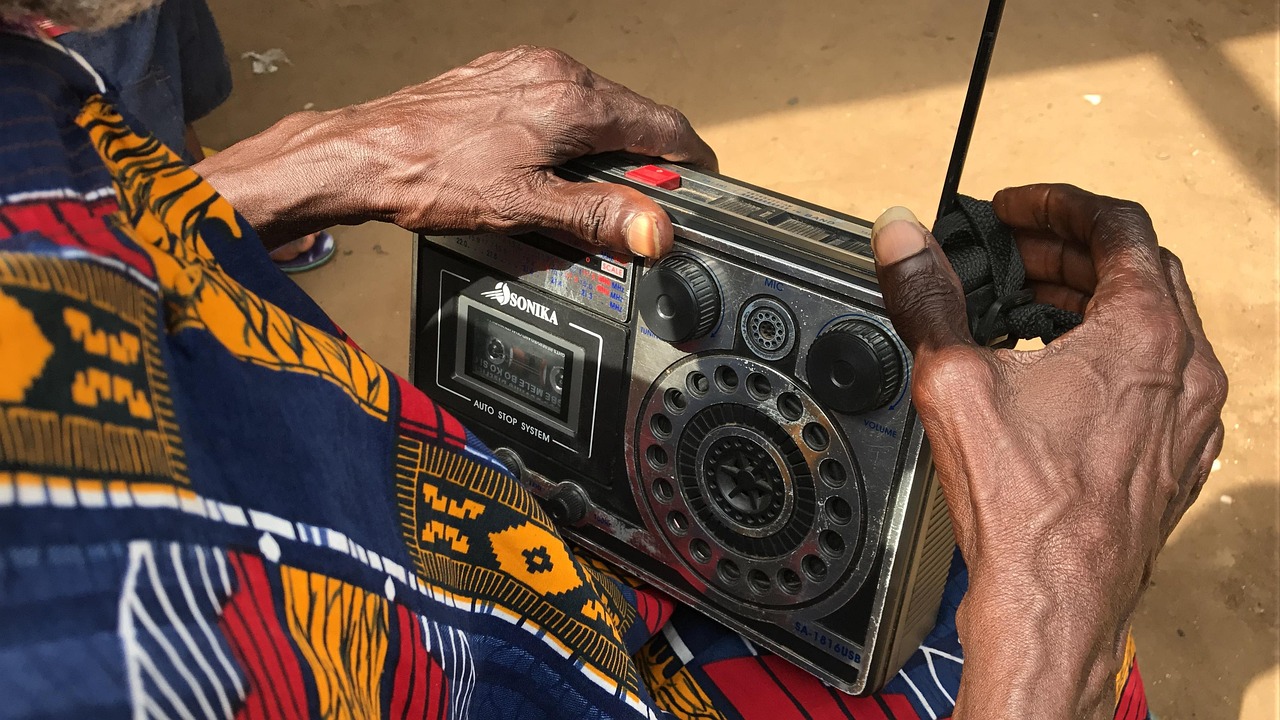
Why Radio Will Never Truly Fade Away
Radio’s persistence across more than a century of technological disruption reveals fundamental strengths that transcend specific technologies. The medium’s simplicity, accessibility, and human connection create enduring value that newer platforms struggle to replicate entirely.
The free, ubiquitous nature of radio ensures its continued relevance, particularly for populations without reliable internet access or those unable to afford subscription services. Radio democratizes information and entertainment access in ways that remain unmatched.
As media landscapes fragment and audiences scatter across countless platforms, radio’s ability to create shared cultural experiences becomes increasingly valuable. Morning show bits discussed around office water coolers and songs that entire cities sing along to simultaneously foster community connections that algorithm-driven personalization cannot create.
The future of radio likely involves continued hybrid evolution, blending traditional broadcasting with digital distribution, maintaining live spontaneity while offering on-demand flexibility, and preserving human connection while leveraging technological advancement. This adaptability ensures radio’s relevance for generations to come, proving that some innovations become permanent fixtures in human culture rather than temporary technological phases. ✨
