
Anúncios
Movies have become an inseparable part of modern culture, influencing how we think, feel, and connect with stories that transcend borders and languages.


From the silent films of the early 20th century to today’s breathtaking CGI masterpieces, cinema has evolved into a powerful medium that entertains, educates, and inspires millions worldwide. The art of filmmaking combines visual storytelling, music, performance, and technology to create experiences that linger in our hearts long after the credits roll.
Whether you’re a casual viewer who enjoys weekend movie marathons or a dedicated cinephile who analyzes every frame, understanding the depth and breadth of cinema enriches your appreciation for this incredible art form. Let’s explore the fascinating world of movies and discover what makes them such an enduring part of human culture.
🎬 The Evolution of Cinema Through the Decades
The journey of cinema began in the late 1800s when pioneers like the Lumière brothers and Thomas Edison introduced moving pictures to amazed audiences. These early films were simple, often showing everyday scenes like workers leaving a factory or trains arriving at stations, yet they revolutionized entertainment forever.
The 1920s brought the golden age of silent cinema, with icons like Charlie Chaplin and Buster Keaton creating timeless comedies that needed no dialogue. These performers mastered physical comedy and emotional expression, proving that cinema could communicate universal human experiences without words.
When sound arrived in 1927 with “The Jazz Singer,” the industry transformed overnight. Talkies dominated the 1930s and 1940s, bringing us classic Hollywood genres like film noir, musicals, and screwball comedies. Studios like MGM, Warner Bros., and Paramount became entertainment empires, churning out hundreds of films annually.
The 1950s introduced widescreen formats and Technicolor spectacles, while the 1960s and 1970s saw the rise of auteur directors like Stanley Kubrick, Martin Scorsese, and Francis Ford Coppola. These filmmakers pushed boundaries, creating deeply personal works that challenged audiences intellectually and emotionally.
The Blockbuster Era and Modern Cinema 🚀
Steven Spielberg’s “Jaws” in 1975 essentially created the summer blockbuster phenomenon, followed by George Lucas’s “Star Wars” two years later. These films demonstrated that movies could be both artistic and commercially successful, spawning franchises that continue today.
The digital revolution of the 1990s and 2000s transformed filmmaking once again. CGI opened possibilities previously confined to imagination, allowing directors to create entire worlds digitally. Films like “Jurassic Park,” “The Matrix,” and “Avatar” showcased technology’s potential to enhance storytelling.
Today’s cinema landscape is incredibly diverse, with streaming platforms democratizing distribution and international films gaining unprecedented global reach. Korean cinema, Bollywood, and independent filmmakers now compete equally with Hollywood productions for audience attention.

🎭 Understanding Different Film Genres
Genres serve as helpful categories that set viewer expectations while providing filmmakers with conventions to honor or subvert. Understanding genres deepens your appreciation for how directors play with audience expectations.
Action films prioritize physical feats, chases, and spectacle. From James Bond’s sophisticated spy adventures to the “Fast & Furious” franchise’s over-the-top stunts, action movies provide adrenaline-pumping entertainment that showcases human capability and cutting-edge effects.
Drama focuses on character development and emotional truth. These films explore complex human relationships, moral dilemmas, and personal growth. Think of “The Shawshank Redemption” or “Moonlight” – films that prioritize authenticity and emotional resonance over spectacle.
Comedy and Its Many Flavors 😂
Comedy encompasses everything from slapstick physical humor to sophisticated wordplay and satire. Romantic comedies explore love through a humorous lens, while dark comedies find laughter in unexpected places. Directors like Edgar Wright and the Coen Brothers have elevated comedy into an art form with precise timing and clever visual storytelling.
Horror taps into primal fears, using suspense, atmosphere, and shock to elicit emotional responses. The genre ranges from psychological thrillers like “The Silence of the Lambs” to supernatural horror like “The Conjuring” and socially conscious works like “Get Out” that use horror conventions to explore deeper themes.
Science Fiction and Fantasy Worlds ✨
Science fiction imagines possible futures, exploring technology’s impact on humanity and society. Films like “Blade Runner,” “Inception,” and “Interstellar” pose philosophical questions while dazzling viewers with imaginative worlds.
Fantasy transports audiences to magical realms where anything is possible. The “Lord of the Rings” trilogy demonstrated fantasy’s potential for epic storytelling, while films like “Pan’s Labyrinth” show how fantasy elements can enhance dramatic narratives.
🎥 The Art and Craft of Filmmaking
Behind every great film lies an army of talented professionals working in harmony. Understanding their roles helps you appreciate the collaborative nature of cinema and notice details you might otherwise miss.
The director serves as the film’s creative visionary, making thousands of decisions that shape the final product. They work with actors to extract performances, collaborate with cinematographers on visual style, and guide editors in assembling the story.
Cinematographers paint with light and shadow, choosing camera angles, movements, and compositions that support the narrative. Roger Deakins, Emmanuel Lubezki, and Rachel Morrison represent the pinnacle of this craft, creating unforgettable images that define their films’ visual identity.
The Invisible Artists Behind the Scenes 🎨
Production designers build entire worlds, whether recreating historical periods or imagining futuristic societies. Their attention to detail extends to every prop, set piece, and location, creating environments that feel authentic and lived-in.
Costume designers communicate character through clothing choices, considering color psychology, historical accuracy, and narrative symbolism. Iconic costumes – think Dorothy’s ruby slippers or Darth Vader’s armor – become inseparable from the characters themselves.
Sound designers and composers create the auditory landscape that guides emotional responses. A great score elevates scenes, while sound design adds realism and atmosphere. John Williams, Hans Zimmer, and Ennio Morricone have created music as memorable as the films themselves.
📽️ Iconic Films That Changed Cinema Forever
Certain films transcend entertainment to become cultural touchstones that influence generations of filmmakers and reshape what cinema can achieve. These groundbreaking works pushed technical, narrative, or thematic boundaries.
“Citizen Kane” revolutionized cinematography with deep focus photography and non-linear storytelling. Orson Welles’s 1941 masterpiece remains in film school curricula worldwide, teaching aspiring directors about innovative camera work and narrative structure.
“2001: A Space Odyssey” demonstrated science fiction’s potential for philosophical depth and visual poetry. Stanley Kubrick’s meticulous approach to realism in depicting space travel raised the bar for the entire genre.
Modern Game-Changers 🏆
“Pulp Fiction” rejuvenated independent cinema and proved that non-linear narratives could captivate mainstream audiences. Quentin Tarantino’s dialogue-driven style and eclectic influences spawned countless imitators.
“The Dark Knight” elevated superhero films to serious dramatic cinema, proving comic book adaptations could explore complex themes like chaos versus order and moral compromise. Christopher Nolan’s realistic approach influenced the entire superhero genre.
“Parasite” became the first non-English language film to win Best Picture at the Oscars, signaling growing recognition of international cinema’s quality and relevance. Bong Joon-ho’s masterful blend of genres and social commentary resonated globally.
🌍 International Cinema Beyond Hollywood
While Hollywood dominates globally, exceptional filmmaking flourishes worldwide, offering perspectives and storytelling traditions that enrich cinema’s diversity. Exploring international films broadens your cultural understanding and reveals different approaches to the craft.
French cinema pioneered artistic movements like the New Wave, with directors like François Truffaut and Jean-Luc Godard experimenting with form and challenging conventions. French films often prioritize character psychology and philosophical themes over plot-driven narratives.
Japanese cinema gave the world masters like Akira Kurosawa, whose samurai epics influenced Western filmmakers from George Lucas to Sergio Leone. Contemporary directors like Hirokazu Kore-eda create intimate family dramas with universal emotional resonance.
The Rise of Korean and Latin American Cinema 🎬
Korean cinema has exploded internationally, blending genres seamlessly and tackling social issues with thrilling entertainment. Directors like Park Chan-wook and Bong Joon-ho create films that are simultaneously commercially successful and artistically ambitious.
Latin American directors bring magical realism and political awareness to their work. Alfonso Cuarón, Alejandro González Iñárritu, and Guillermo del Toro – the “Three Amigos” of Mexican cinema – have won multiple Oscars while maintaining distinct artistic voices.
🎯 How to Develop Your Film Appreciation Skills
Becoming a more engaged viewer enriches your movie-watching experience, helping you notice subtleties and appreciate filmmakers’ intentions. You don’t need formal education to deepen your understanding – curiosity and attention are your best tools.
Start by watching classics from different eras and countries. Challenge yourself to explore genres you typically avoid. You might discover that you enjoy documentaries, foreign language films, or silent cinema more than expected.
Pay attention to cinematography by noticing how shots are composed, how the camera moves, and how lighting creates mood. Pause films occasionally to examine frame composition – great directors create images that work as standalone photographs.
Active Viewing Techniques 👀
Watch films multiple times with different focuses. First viewing for story enjoyment, second for technical elements, third for thematic depth. You’ll be amazed how much you missed initially.
Read about filmmaking techniques and director interviews to understand creative choices. Knowing that a director used practical effects instead of CGI or filmed in chronological order adds layers to your appreciation.
Discuss films with others through online communities, film clubs, or simply with friends. Different perspectives illuminate aspects you might have overlooked and deepen your interpretation.
📱 The Streaming Revolution and Cinema’s Future
Streaming platforms have fundamentally altered how we consume movies, offering unprecedented access to vast libraries but also changing the communal theater experience that defined cinema for over a century.
Netflix, Amazon Prime, Disney+, and others invest billions in original content, competing with traditional studios and giving filmmakers new outlets. Directors like Martin Scorsese and Alfonso Cuarón have created streaming exclusives, lending prestige to the medium.
This accessibility democratizes film education – viewers can explore global cinema’s depth from their homes, discovering Korean thrillers, Italian neorealism, or Bollywood musicals with a few clicks.
The Theater Experience Endures 🍿
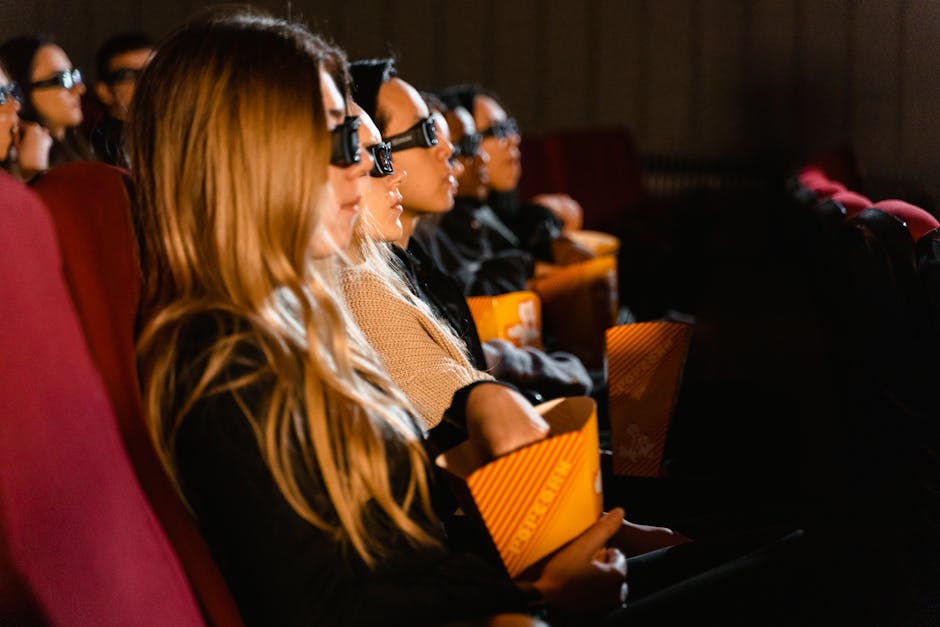
Despite streaming’s convenience, theatrical exhibition persists because certain films demand the big screen experience. Christopher Nolan famously champions theatrical releases, and “Top Gun: Maverick’s” massive success proved audiences still crave communal viewing for spectacle films.
The future likely involves coexistence – big-budget spectacles dominating theaters while mid-budget dramas and experimental films find audiences through streaming. Both delivery methods have value, serving different viewer preferences and film types.
🌟 Why Movies Matter in Our Lives
Beyond entertainment, films serve crucial cultural and personal functions. They preserve historical moments, spark conversations about social issues, and help us process complex emotions through fictional narratives.
Movies create shared cultural references that bond communities. Quoting beloved films, debating plot points, and celebrating favorite characters create connections between strangers who discover common ground through cinema.
Films offer windows into experiences far from our own, building empathy by letting us inhabit other perspectives. A well-crafted movie about someone from a different culture, era, or background can challenge prejudices and expand worldviews.
For many, movies provide comfort during difficult times. Rewatching familiar favorites offers emotional refuge, while new films can inspire hope or provide cathartic release for pent-up feelings.
🎊 Celebrating Cinema’s Endless Possibilities
The beauty of cinema lies in its limitless potential for storytelling. Every year brings fresh voices, innovative techniques, and unexpected stories that remind us why this medium remains vibrant after more than a century.
Technology continues evolving – virtual reality, AI-assisted production, and new camera systems promise to expand filmmaking’s toolkit. Yet the core remains unchanged: compelling stories, emotional truth, and human creativity combining to create magic.
Whether you prefer superhero blockbusters or intimate character studies, silent classics or cutting-edge experiments, there’s never been a better time to explore cinema’s vast landscape. Each film offers an opportunity to experience something new, to be moved, challenged, or simply entertained.
So grab some popcorn, dim the lights, and lose yourself in the wonderful world of movies. The stories waiting to be discovered are as infinite as human imagination itself, ready to transport you to places you’ve never been and introduce you to people you’ll never forget. 🎬✨
