
Anúncios
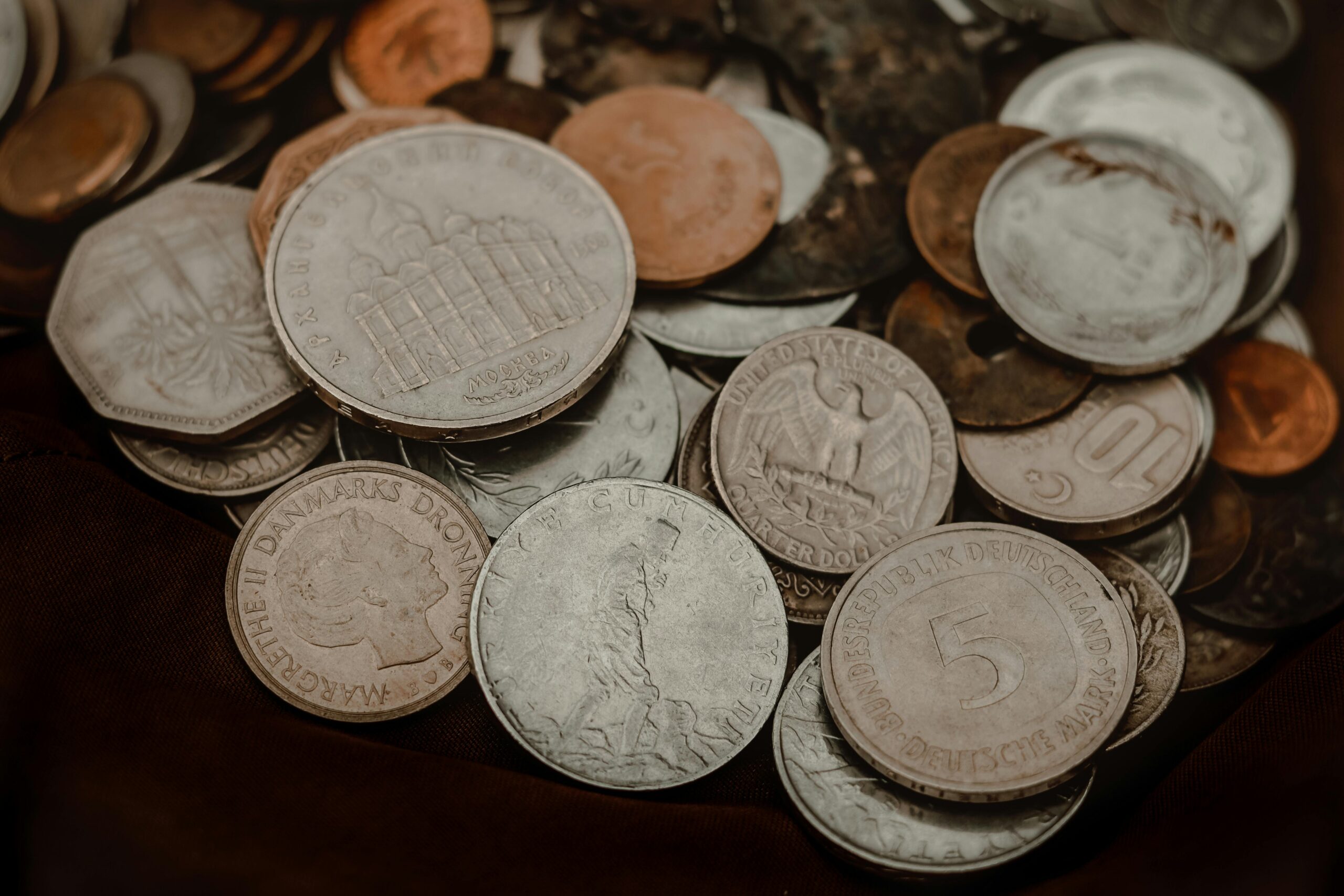
Identifying rare coins is an exciting journey that combines history, art, and investment potential into one fascinating hobby.


Whether you’ve inherited a coin collection, found an unusual piece in your pocket change, or you’re simply curious about numismatics, understanding what makes a coin rare can unlock tremendous value. The world of coin collecting has evolved significantly with technology, making it easier than ever to identify potentially valuable pieces hiding in plain sight.
From mint errors to limited production runs, historical significance to precious metal content, numerous factors contribute to a coin’s rarity and value. Learning to recognize these characteristics transforms casual observation into informed expertise, opening doors to a rewarding pursuit that spans cultures and centuries.
🔍 Understanding the Core Elements of Coin Rarity
Rarity in numismatics isn’t simply about age. A coin from the 1800s might be relatively common, while a piece minted just decades ago could be exceptionally rare. The key lies in understanding multiple intersecting factors that collectively determine scarcity.
Mintage numbers represent the foundation of rarity assessment. This figure indicates how many coins were originally produced during a specific year and at a particular mint facility. Lower mintage generally correlates with higher rarity, though survival rates matter equally. Millions of coins might have been struck originally, but if most were melted down or lost to history, the surviving specimens become genuinely scarce.
Condition plays an equally critical role. Coins in pristine, uncirculated condition are exponentially rarer than their worn counterparts. Even from low-mintage years, most coins entered circulation and acquired wear, scratches, and damage. Finding examples in exceptional preservation multiplies their rarity factor significantly.
🏛️ Historical Significance and Collectible Demand
Some coins transcend mere scarcity to achieve legendary status within collecting circles. These pieces carry historical narratives that captivate collectors beyond simple supply dynamics. Commemorative issues, coins from discontinued mints, or pieces connected to significant historical events often command premium attention.
The 1933 Double Eagle gold coin, for instance, represents one of numismatics’ most famous rarities. Although 445,500 were originally minted, nearly all were melted down when the United States abandoned the gold standard. Only a handful survived, making them extraordinarily valuable today.
Colonial-era coins, provisional issues during wartime, and transitional pieces marking governmental changes all carry enhanced collectible appeal. Their stories resonate with history enthusiasts and collectors alike, creating demand that elevates their market position regardless of technical rarity metrics.
💎 Mint Errors That Create Instant Rarity
Manufacturing mistakes can transform ordinary coins into numismatic treasures. Mint errors occur during the production process and create unique specimens that deviate from standard specifications. These anomalies range from subtle to dramatic, with corresponding variations in value.
Double strikes happen when a coin receives multiple impressions from the dies, creating overlapping images. Off-center strikes result when the blank planchet isn’t properly aligned during striking. Wrong planchets occur when a coin design intended for one denomination gets struck on blanks meant for another.

Die cracks, cuds, and breaks create raised lines or blobs on finished coins. Clipped planchets show missing portions where the blank wasn’t properly cut from metal sheets. Each error type has dedicated collector followings, with dramatic examples commanding substantial premiums over face value.
📊 Grading Standards and Condition Assessment
Professional grading provides standardized assessment of coin condition, directly impacting rarity determination. The Sheldon Scale, ranging from 1 to 70, offers precise categorization from Poor (P-1) through Perfect Mint State (MS-70). Understanding these gradations helps identify truly rare high-grade examples.
Uncirculated coins showing no wear receive Mint State (MS) designations from MS-60 through MS-70. Circulated pieces fall into categories including About Uncirculated (AU), Extremely Fine (EF), Very Fine (VF), Fine (F), Very Good (VG), Good (G), and Poor (P). The difference between adjacent grades can mean thousands of dollars in value for rare coins.
Third-party grading services like PCGS (Professional Coin Grading Service) and NGC (Numismatic Guaranty Corporation) provide authentication and encapsulation. Their population reports reveal how many specimens of specific coins exist at various grade levels, offering crucial rarity data that guides collectors and investors.
🌍 Regional Variations and Mint Marks
Coins produced at different mint facilities often vary significantly in rarity. Mint marks—small letters indicating production location—become critical identifiers when assessing scarcity. A coin from one mint might be common while the identical design from another facility could be exceptionally rare.
United States coins feature mint marks like “D” for Denver, “S” for San Francisco, “P” for Philadelphia, and historical marks like “CC” for Carson City or “O” for New Orleans. Collectors scrutinize these tiny details because production volumes varied dramatically between facilities and years.
International coins present even greater complexity. British coins from branch mints in Melbourne, Sydney, or Bombay often carry different rarity profiles than London-minted equivalents. Canadian coins from Ottawa versus Winnipeg, or German coins from various pre-unification mints, all require specialized knowledge to properly evaluate.
🔬 Authentication Techniques for Rare Specimens
As values increase, so does counterfeiting sophistication. Developing authentication skills protects collectors from acquiring fraudulent pieces masquerading as rarities. Multiple examination techniques combine to verify authenticity with confidence.
Weight and diameter measurements provide initial screening. Genuine coins conform to precise specifications; deviations suggest problems. High-resolution photography under magnification reveals surface characteristics, die markers, and production details that counterfeiters struggle to replicate accurately.
Magnetic testing helps identify composition issues, since most coins use non-magnetic metals. Sound testing—gently tapping coins and listening to their ring—reveals density information that experienced collectors recognize. Advanced techniques include spectroscopy analysis and X-ray fluorescence testing for metal composition verification.
📱 Modern Technology in Rarity Identification
Digital tools have revolutionized how collectors identify and research rare coins. Smartphone applications now offer instant identification through image recognition, accessing vast databases of coins from around the world. These technologies democratize expertise that previously required decades of study.
High-resolution scanning and 3D imaging capture minute details invisible to naked eyes. Online marketplaces provide real-time pricing data and auction results, helping collectors understand current market values for specific rarities. Digital population reports track graded specimens, offering transparency about true scarcity.
Social media communities and specialized forums connect collectors globally, facilitating knowledge exchange and collaborative identification. Video tutorials demonstrate authentication techniques, while virtual coin shows expand access beyond geographical limitations. Technology hasn’t replaced traditional expertise but rather amplified its reach and effectiveness.
💰 Precious Metal Content and Intrinsic Value
Some coins carry rarity independent of numismatic interest through precious metal content. Gold, silver, and platinum coins possess intrinsic value based on their metal weight and purity, establishing value floors regardless of collectible demand.
Bullion coins like American Eagles, Canadian Maple Leafs, or South African Krugerrands trade primarily on metal content. However, rare dates, low-mintage varieties, or high-grade examples command premiums above bullion value. Understanding both aspects—metal worth and numismatic premium—provides complete valuation context.
Historical gold coins, such as British sovereigns or American $20 Liberty pieces, blend precious metal value with collectible appeal. Their rarity often multiplies raw gold value many times over. Silver coins from pre-1965 American circulation offer another example where metal content establishes minimum value while rarity determines upward potential.
🎯 Building Expertise Through Focused Collecting
Developing rarity identification skills accelerates through specialized focus rather than scattered accumulation. Concentrating on specific series, time periods, or countries builds deep knowledge that generic collecting cannot match. This focused approach reveals subtle variations and scarce varieties that casual observers miss.
Series collectors pursuing complete date and mint mark sets develop intimate familiarity with their chosen coins. They recognize die varieties, understand production history, and spot anomalies instantly. Type collectors focusing on design changes across denominations gain broader historical perspective while maintaining depth within specific categories.
Geographic specialization—whether British Commonwealth coins, Latin American issues, or Asian numismatics—builds cultural and historical context that enhances appreciation. Thematic collecting around subjects like maritime history, wildlife, or famous figures creates engaging narratives while developing specialized expertise in related coinage.
📚 Essential Resources for Coin Identification
Reliable reference materials form the foundation of accurate rarity assessment. Standard catalogs like the Red Book for American coins, Krause Publications for world coins, and specialized references for specific series provide mintage data, variety descriptions, and valuation guidance.
Auction archives document actual selling prices for rare coins, offering reality-based valuation beyond catalog estimates. Heritage Auctions, Stack’s Bowers, and international houses maintain searchable databases spanning decades of transactions. These records reveal market trends and establish pricing benchmarks for rarities.
Numismatic associations like the American Numismatic Association (ANA) offer educational programs, certification courses, and lending libraries. Museum collections provide study opportunities for exceptional rarities. Academic publications and scholarly research contribute historical context that deepens understanding beyond simple identification.
🛡️ Preservation Practices That Maintain Rarity Value
Proper handling and storage protect rare coins from damage that would diminish their condition and value. Even minor impairments—fingerprints, scratches, or environmental exposure—can significantly impact grading and marketability. Preservation knowledge becomes essential for maintaining rarity value.
Never clean coins through abrasive methods or chemical treatments. What seems like restoration often destroys original surfaces and drastically reduces value. Professional conservators handle genuinely damaged pieces requiring intervention; amateur cleaning typically causes irreversible harm.
Archival-quality holders, whether rigid plastic cases, soft flips, or certified slabs, protect coins from physical damage and atmospheric contaminants. Climate-controlled storage prevents temperature and humidity fluctuations that promote corrosion. Individual encapsulation prevents contact between coins that could cause abrasion.
🌟 Transforming Knowledge Into Collection Success
Understanding rarity identification transforms collecting from passive accumulation into strategic pursuit. Knowledge empowers collectors to recognize opportunities others overlook, whether examining inherited collections, browsing coin shows, or searching pocket change for hidden treasures.
The intersection of historical research, technical understanding, and market awareness creates comprehensive expertise. Collectors who master these dimensions develop confidence in their assessments and decision-making. They build collections with coherent themes, investment potential, and personal significance.
Networking within the numismatic community amplifies individual knowledge through shared experiences and collaborative learning. Mentorship relationships, whether formal or informal, accelerate skill development. Participating in coin clubs, attending shows, and engaging in online forums builds connections that enrich the collecting journey beyond monetary considerations.
The pursuit of rare coins ultimately combines intellectual challenge with tangible rewards. Each identified rarity represents a small victory—recognition of something special that others might have missed. Whether discoveries lead to financial gain or simply deepen appreciation for numismatic artistry and history, the skills developed through rarity identification enhance every aspect of coin collecting, creating lasting enjoyment and potential value across generations.
