
Anúncios
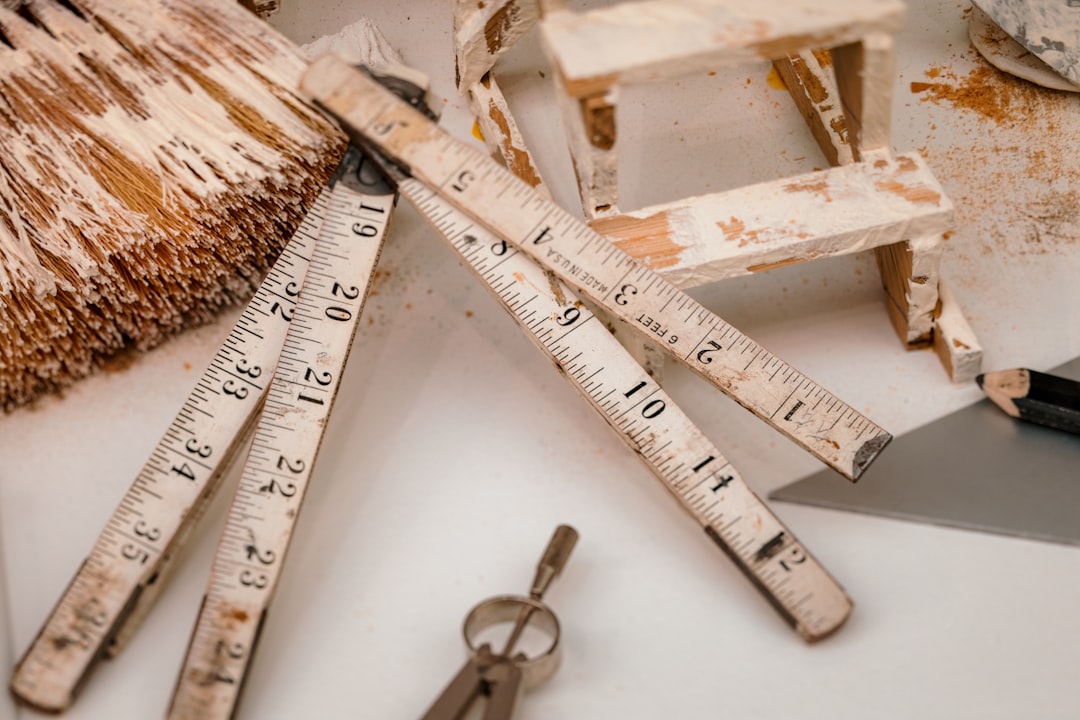
The tape measure, known as “trena” in Portuguese, is an essential tool found in toolboxes, construction sites, and homes worldwide, revolutionizing how we measure distances accurately.


Whether you’re a professional contractor, DIY enthusiast, or simply someone who occasionally needs to measure furniture before moving it through doorways, understanding tape measures can dramatically improve your accuracy and efficiency. These compact measuring instruments have evolved significantly since their invention, offering features that cater to diverse professional and personal needs.
From traditional spring-loaded retractable models to modern digital laser versions, tape measures represent a perfect blend of simplicity and precision. Their versatility makes them indispensable across industries including construction, interior design, tailoring, carpentry, and even scientific research. Let’s explore everything you need to know about this remarkable measuring tool.
📏 The Evolution and History of Tape Measures
The tape measure’s origins trace back to the 16th century when tailors used cloth strips with markings to measure fabric and body dimensions. These primitive measuring tapes were neither durable nor consistent, leading to frequent measurement discrepancies.
The modern spring-return pocket tape measure was patented in 1868 by Alvin J. Fellows, revolutionizing the construction and carpentry industries. His invention featured a spring mechanism that allowed the tape to retract automatically, making measurements faster and more convenient than ever before.
Throughout the 20th century, manufacturers introduced numerous improvements including concave blade designs that allowed the tape to extend further without bending, magnetic hooks for one-person measuring, and measurement markings in both imperial and metric systems. Today’s tape measures incorporate advanced materials like fiberglass-reinforced blades and digital displays with memory functions.
🔧 Different Types of Tape Measures and Their Applications
Understanding the various types of tape measures available helps you select the right tool for specific tasks. Each design serves particular purposes and offers unique advantages.
Pocket Tape Measures
These compact, spring-loaded retractable tape measures are the most common type found in toolkits worldwide. Their rigid blade extends straight for several feet before bending, making them perfect for indoor measurements. Professional models typically range from 12 to 35 feet in length, with widths between 1/2 inch and 1-1/4 inches.
The blade’s concave cross-section provides structural rigidity, allowing horizontal extension without support. High-quality pocket tape measures feature nylon-coated blades that resist wear and corrosion, ensuring longevity even with frequent use.
Long Tape Measures
For measuring large distances—such as property boundaries, athletic fields, or building exteriors—long tape measures extending 50 to 300 feet are essential. These typically feature flexible fabric, fiberglass, or steel ribbons housed in open-reel or closed-case designs.
Surveyors and civil engineers frequently use long tape measures with specialized features like thermal expansion compensation and tension handles to ensure extreme accuracy over extended distances.
Digital and Laser Tape Measures
Modern technology has transformed traditional measuring practices with digital tape measures that display measurements on LCD screens, store multiple readings, and even calculate areas and volumes automatically. Laser distance meters take this further by using laser beams to measure distances up to several hundred feet with remarkable precision.
These advanced tools are particularly valuable in situations where physical tape extension is difficult or dangerous, such as measuring ceiling heights, deep trenches, or across hazardous terrain.

Tailor’s Tape Measures
Completely flexible and typically made from fiberglass or cloth with reinforced ends, tailor’s tape measures excel at measuring curved surfaces and body dimensions. Fashion designers, seamstresses, and medical professionals rely on these flexible measuring tapes for accurate circumference and contour measurements.
Unlike rigid tape measures, these don’t have retraction mechanisms and usually extend 60 to 120 inches, displaying measurements in both inches and centimeters.
🎯 Key Features to Consider When Choosing a Tape Measure
Selecting the appropriate tape measure requires evaluating several important characteristics that affect usability, durability, and measurement accuracy.
Blade Width and Length
Wider blades provide greater standout—the distance the tape can extend horizontally before collapsing. A 1-inch wide blade typically offers 7-8 feet of standout, while 1-1/4 inch blades can extend 10-13 feet unsupported. For most general purposes, a 25-foot tape with a 1-inch blade provides excellent versatility.
Hook Design and Accuracy
The metal hook at the tape’s end is designed to move slightly—this isn’t a defect but a deliberate feature ensuring accurate inside and outside measurements. The hook slides outward when hooking onto an edge (outside measurement) and presses inward when butting against a surface (inside measurement), compensating for the hook’s thickness.
High-quality tape measures feature riveted hooks that maintain this precise movement throughout the tool’s lifespan. Magnetic hooks add convenience when working alone with metal surfaces.
Blade Coating and Markings
Premium tape measures use nylon or polymer coatings that protect against scratches, chemicals, and moisture while providing excellent visibility. Look for clear, high-contrast markings that remain legible even in low-light conditions.
Some specialized tape measures include stud markings (typically at 16-inch and 24-inch intervals), decimal equivalents, or dedicated scales for calculating angles and fractions.
Locking Mechanisms
Reliable blade locks prevent accidental retraction during measurements. Toggle, button, and slide locks each offer different advantages—choose based on your comfort and frequency of use. Auto-lock mechanisms engage automatically when the blade stops moving, providing hands-free convenience.
Case Durability
Rugged rubber-coated or reinforced polymer cases withstand drops and impacts common on job sites. Some professional-grade tape measures feature shock-absorbing bumpers that protect internal mechanisms when dropped from heights.
✨ Professional Tips for Accurate Measurements
Even with high-quality tape measures, human error can compromise measurement accuracy. Implementing proper techniques ensures reliable results every time.
Always burn an inch: Professional carpenters often ignore the potentially damaged hook end by starting measurements at the 1-inch mark and subtracting one inch from the final reading. This technique eliminates hook-related inaccuracies.
Maintain proper tension: When measuring long distances, keep the tape taut but not stretched. Excessive tension can actually elongate the blade slightly, particularly with fabric or fiberglass tapes, introducing errors.
Account for sag: On extended measurements, gravity causes the tape to sag downward, making the measured distance appear longer than the actual straight-line distance. Supporting the tape at midpoints or using specialized long-distance measuring techniques corrects this issue.
Read at eye level: Parallax errors occur when reading measurements from an angle. Always position your eye directly perpendicular to the measurement point for accurate readings.
Mark precisely: When transferring measurements, use a sharp pencil or marking knife rather than thick markers. A 1/8-inch marking error multiplied across multiple cuts can result in significant cumulative inaccuracies.
🛠️ Maintaining Your Tape Measure for Longevity
Proper maintenance extends your tape measure’s functional life and preserves measurement accuracy. These simple practices prevent common problems and costly replacements.
Regularly clean the blade with a soft cloth to remove dust, sawdust, and construction debris that can scratch markings or interfere with smooth retraction. For stubborn residue, use isopropyl alcohol rather than harsh solvents that might damage blade coatings.
Avoid dropping tape measures, especially on hard surfaces. Impact damage can misalign internal springs, bend blades, or damage the hook attachment, compromising accuracy.
Store tape measures in dry environments when not in use. Moisture causes rust on steel blades and deterioration of internal components. If your tape measure gets wet, fully extend and dry the blade before retracting.
Periodically verify accuracy by comparing your tape measure against a known standard or certified measuring device. Even quality tools can develop inaccuracies over time through wear and damage.
Never force a kinked or bent blade to retract. This damages the spring mechanism and can cause the blade to bunch inside the case. If a blade becomes kinked, carefully straighten it before allowing retraction.
🏗️ Industry-Specific Applications and Requirements
Different professions demand specialized tape measure features tailored to unique measurement challenges and precision requirements.
Construction and Carpentry
Construction professionals require durable tape measures with standout capabilities for measuring between studs and across rooms without assistance. Features like magnetic hooks, stud markings, and measurement fractions in 1/16-inch increments are standard requirements. Many contractors prefer 25-foot tapes with 1-inch blades as their everyday carry tool.
Interior Design and Space Planning
Interior designers often use digital tape measures with memory functions to record multiple room dimensions quickly. The ability to calculate areas and store measurements streamlines the design process when creating floor plans and furniture layouts.
Tailoring and Fashion Design
The textile industry relies exclusively on flexible tape measures that conform to body curves and fabric draping. Measurements accurate to 1/8-inch are typically sufficient, though haute couture may require even greater precision. Fiberglass tapes resist the stretching that plagued traditional cloth measuring tapes.
Engineering and Manufacturing
Engineering applications often demand extreme precision measured in thousandths of an inch or hundredths of millimeters. While tape measures serve for general dimensional checks, precision work requires calibrated measuring instruments traceable to national standards.
📱 Digital Alternatives and Smartphone Applications
Technology has introduced digital measuring alternatives that complement or sometimes replace traditional tape measures, offering unique advantages for specific applications.
Smartphone apps using augmented reality (AR) and camera technology can measure distances, heights, and areas by simply pointing the device’s camera at objects. While convenient for quick estimates and situations where physical access is difficult, these apps typically lack the precision of quality physical tape measures.
Dedicated laser distance meters provide exceptional accuracy for long-distance measurements, with some professional models achieving precision within 1/16-inch over 300 feet. These devices excel in large spaces, outdoor applications, and situations requiring repeated measurements of similar distances.
Bluetooth-enabled digital tape measures can transmit measurements directly to smartphones or tablets, automatically logging dimensions into digital floor plans or project management software. This integration reduces transcription errors and streamlines workflow in professional settings.
🌍 Understanding Metric vs. Imperial Measurements
The global divide between metric and imperial measurement systems creates practical challenges for professionals working internationally or with imported materials.
Most modern tape measures display both systems—inches on one edge and centimeters on the other—facilitating conversion and dual-system projects. However, understanding the fundamental differences prevents costly errors.
The imperial system divides inches into fractions (1/16, 1/8, 1/4, etc.), while the metric system uses decimal subdivisions (millimeters, centimeters, meters). This fundamental difference affects how measurements are read, recorded, and calculated.
When working with mixed-system specifications, avoid mental approximations. Use conversion calculators or charts to ensure precision, as rounded conversions accumulate errors across multiple measurements.
💡 Common Mistakes and How to Avoid Them
Even experienced users occasionally make measurement errors that compromise project accuracy. Recognizing common mistakes helps prevent them.
Confusing inside and outside measurements: When measuring inside dimensions (like window openings), remember to add the case length to the tape reading if using the case as a reference point. Most tape measure cases display their length for this purpose.
Ignoring measurement increments: Reading 3/8-inch as 5/16-inch or confusing centimeters with millimeters creates significant errors. Take time to carefully read the exact marking rather than approximating.
Measuring from the wrong reference point: Always establish clear reference points before beginning measurements. Inconsistent starting points guarantee inaccurate results, especially when multiple measurements must align.
Failing to account for material thickness: When cutting materials to fit between two points, remember to subtract blade width and saw kerf (the material removed by cutting) from measurements.
Not double-checking critical measurements: The carpenter’s adage “measure twice, cut once” remains timeless advice. Verification takes seconds; correcting errors from mismeasurement wastes hours and materials.
🎓 Teaching Measurement Skills Effectively
Whether instructing children, apprentices, or DIY enthusiasts, teaching proper tape measure use establishes foundational skills applicable across numerous life situations.
Start with understanding measurement units and their subdivisions. Many beginners struggle reading fractional inches because they lack familiarity with how 1/2, 1/4, 1/8, and 1/16-inch markings relate to each other on the blade.
Practice reading measurements before making any begins. Using worksheets or digital images of tape measure markings builds confidence and accuracy without the pressure of making cutting decisions.
Introduce practical exercises that demonstrate measurement’s real-world importance—building simple projects, creating room layouts, or comparing product dimensions before purchases. Relevant applications make learning more engaging than abstract exercises.
Emphasize the relationship between accuracy and outcomes. Showing how small measurement errors compound across projects illustrates why precision matters and motivates careful technique.
🔍 Specialized and Unusual Tape Measure Variations
Beyond standard tape measures, specialized variations serve niche applications with unique measurement requirements.
Medical tape measures used in healthcare settings feature antimicrobial coatings and disposable options that prevent cross-contamination between patients. These typically measure circumferences for wound assessment, body mass index calculations, and pediatric growth tracking.
Diameter tape measures display circumference measurements directly as diameters, eliminating manual conversion calculations. Foresters use these to measure tree trunk diameters quickly, while manufacturers verify pipe and cylinder dimensions.
Talking tape measures provide audible measurements for visually impaired users, ensuring accessibility in professional and household measuring tasks. These adaptive tools feature clear voice announcements at preset intervals as the tape extends.
Underwater tape measures constructed from corrosion-resistant materials with waterproof markings serve marine applications including boat building, underwater construction, and marine biology research.
🌟 Investing in Quality: When Premium Features Matter
While budget tape measures serve basic needs, understanding when premium features justify higher costs helps you make informed purchasing decisions.
Professional contractors relying on tape measures daily benefit significantly from premium models offering superior durability, longer blade life, and enhanced accuracy. The modest additional investment prevents frequent replacements and reduces downtime from tool failures.
For occasional home use, mid-range tape measures balancing quality and affordability typically provide excellent value. These offer reliable accuracy and sufficient durability without premium-tier costs.
Features like blade coatings, case durability, and hook quality directly impact longevity and user experience. Evaluating your usage frequency and typical measuring scenarios helps determine which features provide genuine value versus unnecessary luxuries.
Reading reviews from users in similar applications offers insights into real-world performance beyond manufacturer specifications. Professional tool reviewers often conduct comparative testing revealing quality differences not apparent during casual inspection.
♻️ Environmental Considerations and Sustainable Options
As environmental awareness grows, manufacturers increasingly offer sustainable tape measure options addressing ecological concerns.
Some companies now produce tape measure cases from recycled plastics, reducing petroleum-based virgin plastic consumption. While functionally equivalent to traditional cases, these recycled materials demonstrate corporate environmental responsibility.
Durable professional-grade tape measures represent sustainable choices through longevity—tools lasting decades prevent the waste generated by frequently replacing disposable alternatives.
Proper maintenance extends functional life, reducing environmental impact through decreased manufacturing demand and landfill waste. Simple care practices transform tape measures from consumable items into long-term investments.
At end-of-life, responsible disposal through metal recycling programs recovers valuable materials rather than contributing to landfill waste. Some manufacturers offer take-back programs ensuring proper recycling of worn-out tools.
🚀 Future Innovations in Measuring Technology
Emerging technologies promise to transform how we approach measurement tasks, though traditional tape measures will likely remain relevant for their simplicity and reliability.
Advanced augmented reality systems integrated into smart glasses or headsets could overlay precise measurements onto visual fields, allowing hands-free measuring while maintaining accuracy comparable to physical tools.
Artificial intelligence coupled with smartphone cameras might soon provide measurement accuracy rivaling laser distance meters, making precision measuring universally accessible without specialized equipment.
3D scanning technology becoming affordable and portable enables complete spatial mapping of environments, generating precise measurements of every dimension simultaneously rather than individually measuring each distance.
Despite these innovations, the tactile certainty and universal accessibility of physical tape measures ensure their continued relevance. No batteries, no calibration, no learning curve—sometimes the simplest solution remains the best solution.
The humble tape measure exemplifies how fundamental tools persist through technological revolutions by reliably solving universal needs. From ancient cloth strips to modern laser hybrids, the drive to measure accurately shapes our built environment, guides our creations, and connects abstract plans to physical reality. Whether you’re a seasoned professional or weekend DIY enthusiast, mastering this essential tool opens possibilities for precise, confident creation in every project you undertake. Understanding your options, maintaining your equipment, and applying proper techniques transforms simple measurements into the foundation of quality craftsmanship.
