
Anúncios
Cinema has shaped culture, sparked imagination, and brought stories to life for over a century, connecting audiences worldwide through the universal language of moving images.


From the earliest silent films flickering on silver screens to today’s breathtaking visual spectacles in IMAX and streaming platforms, movies have evolved into one of humanity’s most powerful art forms. They entertain, educate, challenge perspectives, and preserve moments in time that would otherwise fade into obscurity.
Whether you’re a casual viewer enjoying popcorn on a Friday night or a devoted cinephile analyzing every frame and metaphor, films offer something unique for everyone. The magic of cinema lies not just in storytelling, but in how it makes us feel—laughter, tears, fear, joy, and everything in between. 🎬
The Evolution of Filmmaking Through the Decades
The journey of cinema began in the late 1800s when inventors like the Lumière Brothers and Thomas Edison experimented with motion picture technology. Those first short films, often lasting mere seconds, captivated audiences who had never seen anything like moving photographs before.
The silent era gave us legends like Charlie Chaplin, Buster Keaton, and Greta Garbo, who conveyed emotion and narrative without spoken dialogue. Directors mastered visual storytelling through exaggerated expressions, innovative camera angles, and accompanying live music that heightened the dramatic effect.
When “talkies” emerged in the late 1920s, cinema underwent a revolutionary transformation. “The Jazz Singer” (1927) marked the beginning of synchronized sound, forever changing how stories could be told on screen. Suddenly, dialogue, music, and sound effects became integral components of the cinematic experience.
The Golden Age of Hollywood in the 1930s through 1950s established the studio system, creating iconic stars and memorable classics that remain beloved today. Films like “Gone with the Wind,” “Casablanca,” and “Citizen Kane” set standards for storytelling, cinematography, and production value that influenced generations of filmmakers.
The Rise of Modern Cinema and Technical Innovation 🎥
The latter half of the 20th century brought unprecedented technical advancements. Color film became the standard, widescreen formats offered more immersive viewing, and special effects technology opened new creative possibilities. Directors like Stanley Kubrick, Alfred Hitchcock, and Akira Kurosawa pushed boundaries, proving cinema could be both entertainment and high art.
The 1970s New Hollywood movement empowered directors with creative control, resulting in groundbreaking films like “The Godfather,” “Taxi Driver,” and “Apocalypse Now.” These auteur-driven projects tackled complex themes with mature storytelling that resonated with audiences seeking substance beyond escapism.
Digital technology revolutionized filmmaking in the 1990s and 2000s. Computer-generated imagery (CGI) enabled filmmakers to create impossible worlds and creatures, from the dinosaurs of “Jurassic Park” to the fantastical realms of “Avatar.” Digital cameras eventually replaced traditional film stock, democratizing production and allowing more voices to contribute to cinema.

Understanding Different Film Genres and Their Appeal
Cinema’s diversity stems from its wide array of genres, each offering distinct experiences and emotional journeys. Understanding these categories helps viewers discover new favorites and appreciate the craft behind different storytelling approaches.
Action films thrill audiences with spectacular stunts, chase sequences, and physical confrontations. From James Bond’s suave adventures to the “Mission: Impossible” franchise’s death-defying set pieces, action cinema delivers adrenaline-pumping entertainment that showcases human (and sometimes superhuman) capabilities.
Drama explores the human condition, relationships, and moral dilemmas with emotional depth. These films prioritize character development and meaningful dialogue over spectacle. Award-winning dramas like “The Shawshank Redemption,” “Schindler’s List,” and “Moonlight” demonstrate cinema’s power to illuminate complex human experiences.
Comedy: Laughter as Universal Medicine 😄
Comedy films span from slapstick physical humor to sophisticated wit, proving laughter truly is universal. Whether it’s the absurdist humor of the Marx Brothers, the romantic comedies of the 1990s, or modern satirical works, comedies provide escape and joy while sometimes delivering sharp social commentary.
Horror films tap into primal fears, exploring darkness both external and psychological. The genre has produced countless classics, from Universal’s monster movies to modern psychological thrillers. Horror allows audiences to confront fears safely, experiencing cathartic terror from the comfort of their seats.
Science fiction expands imagination beyond present reality, exploring future possibilities, technological implications, and philosophical questions about existence. Films like “Blade Runner,” “The Matrix,” and “Interstellar” blend spectacular visuals with thought-provoking concepts that linger long after credits roll.
Romance, Fantasy, and Documentary Storytelling
Romance films celebrate love in its many forms—passionate, tragic, comedic, or transformative. From classic Hollywood romances to contemporary love stories, these films explore humanity’s most powerful emotion with varying degrees of realism and idealization.
Fantasy transports viewers to magical realms where impossible becomes possible. The “Lord of the Rings” trilogy, “Harry Potter” series, and countless fairy tale adaptations demonstrate fantasy’s enduring appeal across generations. These films blend mythology, imagination, and often profound themes beneath fantastical surfaces.
Documentary films capture reality, educating and illuminating truth through real footage and interviews. From nature documentaries showcasing Earth’s wonders to investigative films exposing social issues, documentaries prove that reality can be as compelling as any fiction.
The Art and Craft Behind Movie Production
Creating a film involves hundreds of talented individuals working collaboratively across numerous departments. Understanding this process deepens appreciation for the final product that appears effortlessly on screen.
Pre-production begins with scriptwriting, where stories take initial form through dialogue and scene descriptions. Screenwriters craft narratives that balance structure, character development, and thematic depth. Strong scripts provide the foundation upon which everything else builds.
Directors serve as creative visionaries, translating written words into visual storytelling. They guide actors’ performances, collaborate with cinematographers on shot composition, and make countless decisions affecting tone, pacing, and artistic style. Great directors develop recognizable signatures—think Wes Anderson’s symmetrical compositions or Christopher Nolan’s intricate narratives.
Cinematography: Painting with Light and Shadow 📸
Cinematographers (directors of photography) determine how films look through camera choices, lighting design, and framing decisions. Every shot’s color palette, angle, and movement contributes to storytelling and emotional impact. Roger Deakins, Emmanuel Lubezki, and Rachel Morrison exemplify cinematographers who elevate films through visual artistry.
Production design creates the physical world characters inhabit. Production designers and their teams build sets, select locations, and ensure every visual element supports the story’s time period, mood, and authenticity. From period pieces requiring historical accuracy to futuristic sci-fi environments, production design immerses audiences in believable worlds.
Costume design goes beyond dressing actors—costumes communicate character traits, social status, and personality without dialogue. Iconic costumes become inseparable from characters: Dorothy’s ruby slippers, Indiana Jones’s fedora, or Black Panther’s vibranium suit all demonstrate costume design’s narrative power.
Post-Production Magic and Sound Design 🎵
Editing shapes raw footage into coherent narratives, controlling pacing and emotional flow. Editors work closely with directors, selecting the best takes and determining when to cut between scenes. Editing can make or break a film—even excellent footage poorly edited loses impact.
Sound design and music scoring create aural landscapes that enhance visual storytelling. Sound designers craft everything from ambient background noise to impactful sound effects, while composers create musical themes that evoke specific emotions. Hans Zimmer’s thunderous scores and John Williams’s memorable melodies demonstrate music’s essential role in cinema.
Visual effects artists bring imagination to reality, whether creating fantastical creatures, explosive action sequences, or subtle background enhancements. Modern VFX combines practical effects with digital artistry, seamlessly integrating impossible elements into believable scenes.
The Streaming Revolution and Modern Viewing Habits
The past decade has fundamentally transformed how audiences access and consume films. Streaming platforms have disrupted traditional theatrical distribution, offering unprecedented convenience and selection at viewers’ fingertips.
Services like Netflix, Amazon Prime, Disney+, and others provide vast libraries spanning decades and genres. This accessibility has introduced classic films to new generations while enabling niche content to find dedicated audiences that theatrical releases might miss.
The COVID-19 pandemic accelerated streaming adoption, with many studios releasing major films directly to platforms. This shift sparked debates about the theatrical experience’s future and whether streaming diminishes cinema’s communal magic. While convenient, streaming cannot fully replicate the immersive experience of watching films on massive screens with surround sound and engaged audiences.
The Enduring Appeal of Movie Theaters 🍿
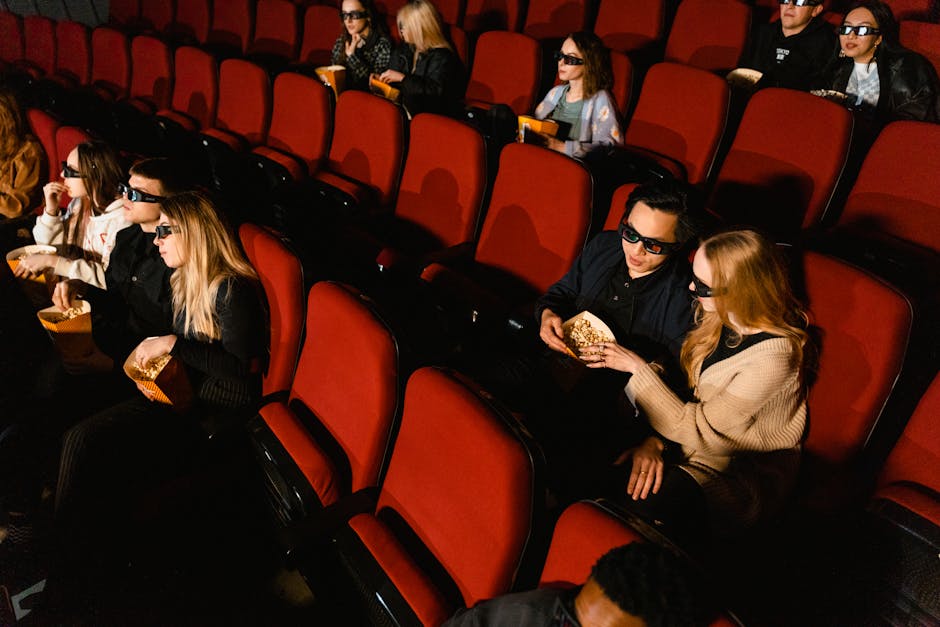
Despite streaming’s convenience, movie theaters offer irreplaceable experiences. The big screen, professional sound systems, and shared audience reactions create communal events that home viewing cannot match. Blockbusters like “Avengers: Endgame” and “Top Gun: Maverick” proved audiences will venture to theaters for spectacle and social experience.
Specialty theaters, IMAX screens, and premium formats like Dolby Cinema enhance theatrical experiences with cutting-edge technology. These venues justify ticket prices by offering sensory experiences impossible to recreate at home, reminding us why cinema originally captivated audiences over a century ago.
International Cinema and Cultural Perspectives
While Hollywood dominates global consciousness, world cinema offers rich diversity often overlooked by mainstream audiences. International films provide windows into different cultures, storytelling traditions, and artistic approaches.
European cinema emphasizes artistic expression and philosophical depth, with directors like Ingmar Bergman, Federico Fellini, and contemporary auteurs pushing narrative boundaries. French New Wave revolutionized filmmaking with innovative techniques that influenced worldwide cinema.
Asian cinema encompasses diverse traditions—from Bollywood’s colorful musicals to Japanese anime’s imaginative storytelling, from South Korea’s thrilling genre films to China’s martial arts epics. Films like “Parasite,” “Crouching Tiger, Hidden Dragon,” and “Spirited Away” demonstrate Asian cinema’s global impact and artistic excellence.
Latin American and African Cinema Rising 🌍
Latin American filmmakers explore magical realism, social issues, and historical narratives with distinctive voices. Directors like Alfonso Cuarón, Guillermo del Toro, and Alejandro González Iñárritu have achieved international acclaim while maintaining cultural authenticity.
African cinema, though historically underrepresented, is experiencing renaissance with filmmakers telling authentic African stories. “Black Panther” brought Afrofuturism to mainstream audiences, while independent African films gain recognition at international festivals, challenging stereotypical representations and showcasing the continent’s diversity.
The Future of Film: Technology and Storytelling
Cinema continues evolving with emerging technologies promising to transform storytelling possibilities. Virtual reality experiments offer immersive experiences where viewers inhabit story worlds. While VR cinema remains experimental, it hints at future directions beyond traditional screens.
Artificial intelligence increasingly assists production—from script analysis predicting commercial success to digital de-aging actors or even creating synthetic performances. These tools raise ethical questions about creativity, authorship, and performance authenticity that the industry must address.
Environmental consciousness is reshaping production practices. Studios adopt sustainable filming methods, reducing carbon footprints through green production protocols. As climate change awareness grows, cinema both reflects environmental concerns through storytelling and implements eco-friendly operations.
Diversity and Representation on Screen 🎭
Contemporary cinema increasingly emphasizes authentic representation across race, gender, sexuality, and disability. Audiences demand stories reflecting real-world diversity, and studios respond with more inclusive casting and storytelling. This shift enriches cinema with fresh perspectives previously marginalized or stereotyped.
Movements like #OscarsSoWhite sparked necessary conversations about industry representation behind and before cameras. Progress continues unevenly, but increased awareness drives meaningful change toward equitable opportunities and authentic storytelling that resonates with global audiences.
Why Movies Matter in Our Lives
Beyond entertainment, films serve essential cultural functions. They preserve historical moments, document social movements, and capture zeitgeists for future generations. Decades later, we understand past eras partly through films produced during those times.
Movies foster empathy by allowing viewers to experience lives vastly different from their own. We walk in others’ shoes, understanding perspectives and struggles outside our direct experience. This empathetic power makes cinema a force for social understanding and change.
Film communities connect people across geographical and cultural boundaries. Shared love for specific movies, genres, or directors creates bonds between strangers. Online forums, fan conventions, and film clubs demonstrate cinema’s power to build communities around shared passion.
Personally, films mark our lives—first dates at movies, childhood favorites watched repeatedly, tearjerkers that moved us, or comedies that brightened dark days. These experiences intertwine with memories, making cinema deeply personal despite being mass entertainment.
Finding Your Perfect Movie Match
With countless films available, discovering what resonates personally can feel overwhelming. Start by identifying genres that appeal to your interests and moods. Action fans might explore different eras—from classic westerns to modern superhero blockbusters—tracing genre evolution.
Film criticism and reviews provide guidance, though personal taste ultimately matters most. Critics offer informed perspectives, but don’t let negative reviews prevent exploring films that intrigue you. Some of the most personally meaningful films receive mixed critical reception.
Exploring directors’ filmographies reveals artistic visions across multiple works. If you love one Tarantino film, exploring his others likely yields more favorites. Auteur directors develop consistent themes and styles that fans appreciate across their bodies of work.
Challenge yourself with unfamiliar genres or international cinema. Stepping outside comfort zones often leads to unexpected discoveries and expanded appreciation. That foreign film with subtitles might become a new favorite if you give it a chance.
The Timeless Magic of Cinema Continues ✨
Despite technological changes and evolving distribution methods, cinema’s core appeal remains constant—stories that move us, transport us, challenge us, and remind us of our shared humanity. Whether watching classics from cinema’s golden age or tomorrow’s groundbreaking releases, films continue offering experiences no other medium can replicate.
The future of film promises exciting possibilities as technology enables new storytelling forms while timeless narrative principles endure. As long as humans crave stories, cinema will adapt and thrive, reflecting who we are and imagining who we might become.
So grab some popcorn, dim the lights, and let the magic of movies transport you to places you’ve never been and help you feel things you’ve never felt. That’s the power of cinema—a power that has captivated audiences for over a century and will continue enchanting generations to come. The next great film is always just one play button away, waiting to become part of your story. 🎬🌟
