
Anúncios
Your eyes are among your most valuable assets, yet many people take their vision for granted until problems arise. A vision test can be the key to detecting issues early and maintaining optimal eye health throughout your life.


Regular vision screening has become more accessible than ever before, with options ranging from traditional eye exams at optical centers to convenient digital tests you can perform at home. Understanding the importance of these assessments and knowing when to schedule them can make a significant difference in preserving your eyesight.
Whether you’ve noticed changes in your vision or simply want to ensure everything is functioning properly, learning about vision tests empowers you to take control of your eye health. From understanding different types of assessments to recognizing warning signs that require professional attention, comprehensive knowledge helps you make informed decisions about your visual wellness.
🔍 Understanding What Vision Tests Actually Measure
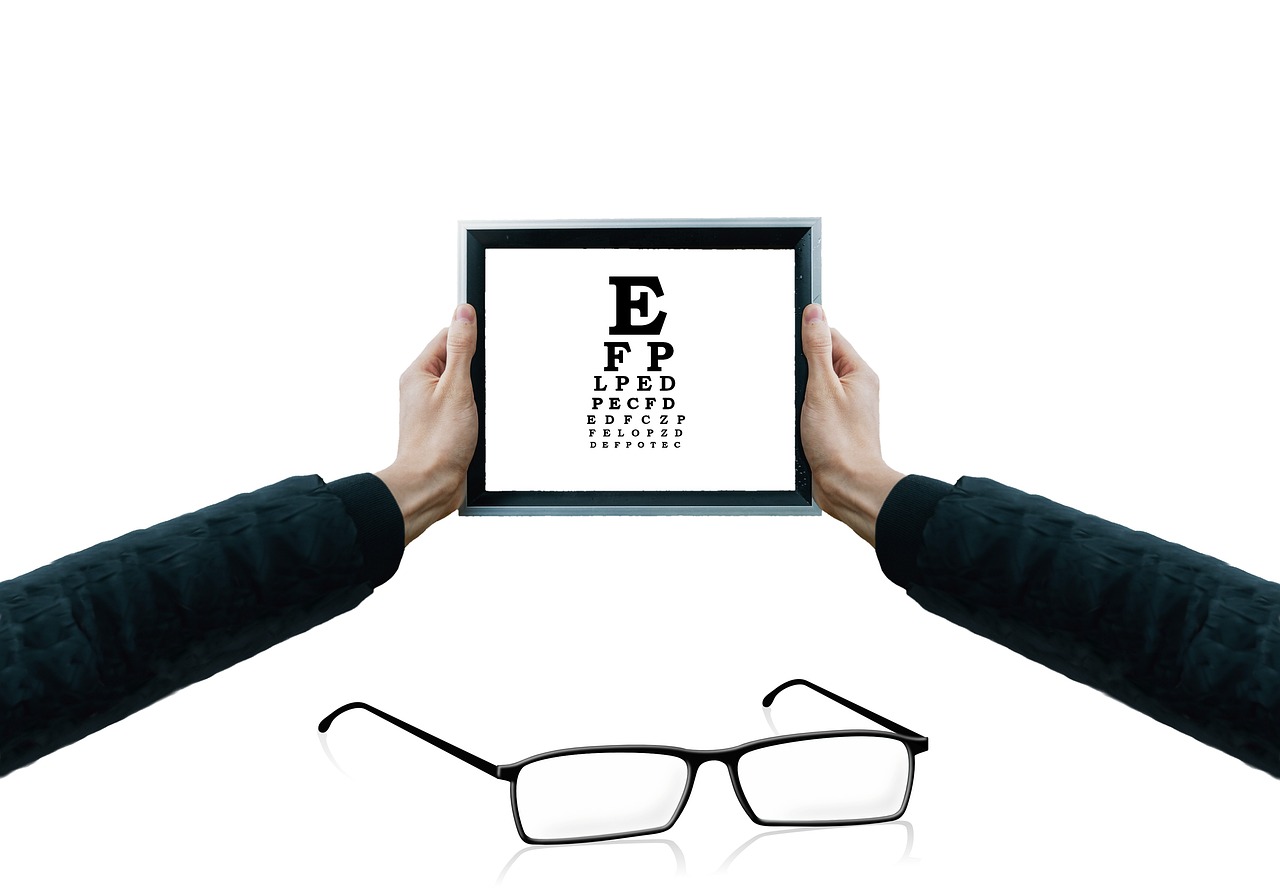
Vision tests evaluate multiple aspects of your eye health and visual capabilities. The most common assessment measures visual acuity, which determines how clearly you can see objects at various distances. This classic test uses charts with letters or symbols of decreasing sizes, helping identify whether you’re nearsighted, farsighted, or have normal vision.
Beyond basic clarity, comprehensive vision examinations assess color perception, depth perception, peripheral vision, and eye coordination. Each component plays a crucial role in how you experience the world around you. Eye muscle function tests ensure both eyes work together properly, preventing issues like double vision or eye strain.
Modern vision assessments also screen for serious conditions such as glaucoma, cataracts, macular degeneration, and diabetic retinopathy. Early detection through routine testing can prevent vision loss and allow for timely treatment. Many eye diseases develop silently without noticeable symptoms until significant damage has occurred.
📱 The Rise of Digital Vision Testing Solutions
Technology has revolutionized how we approach vision testing, making preliminary assessments available through smartphone apps and online platforms. These digital tools provide convenient screening options that can alert you to potential problems requiring professional evaluation.
Mobile vision test applications offer various assessment types, from traditional Snellen charts to contrast sensitivity tests and astigmatism screenings. While these digital solutions cannot replace comprehensive eye examinations by licensed professionals, they serve as valuable monitoring tools between regular appointments.
The accessibility of digital vision tests has encouraged more people to pay attention to their eye health. Users can track changes over time, test family members at home, and gain awareness about vision standards. This technology democratizes basic vision screening, particularly beneficial for those in remote areas with limited access to eye care facilities.

👨⚕️ When Professional Eye Examinations Become Essential
While home testing provides preliminary insights, professional eye examinations remain irreplaceable for maintaining optimal vision health. Optometrists and ophthalmologists possess specialized equipment and expertise to detect subtle issues that digital tests cannot identify.
Adults should schedule comprehensive eye exams every two years at minimum, or annually if over 60 or wearing corrective lenses. Children need their first eye examination around six months old, followed by assessments at age three and before starting school. Regular testing throughout childhood ensures proper visual development and academic success.
Certain conditions warrant immediate professional attention regardless of your testing schedule. Sudden vision changes, persistent headaches, eye pain, flashes of light, floating spots, or difficulty adjusting to darkness require prompt evaluation. These symptoms may indicate serious conditions needing urgent intervention.
🎯 Preparing for Your Vision Test Experience
Proper preparation ensures accurate test results and a smooth examination process. Bring your current eyeglasses or contact lenses to your appointment, even if you think your prescription might be outdated. This allows the examiner to assess your current correction and determine necessary adjustments.
Compile a list of medications you’re taking, including over-the-counter supplements. Many drugs affect vision or eye health, and your eye care professional needs this information for accurate diagnosis. Also prepare questions about any vision concerns you’ve experienced, no matter how minor they seem.
If your examination includes pupil dilation, arrange transportation home as your vision may be blurry for several hours. Bring sunglasses to protect your dilated eyes from bright light sensitivity. Avoid wearing eye makeup on examination days, as it can interfere with certain tests and equipment.
🧒 Vision Testing Throughout Different Life Stages
Visual needs and common eye conditions vary significantly across different age groups. Infants and toddlers undergo specialized vision screenings that assess eye alignment, focusing ability, and overall visual development. Undetected childhood vision problems can lead to permanent visual impairment if not addressed early.
School-age children face increasing visual demands from reading, writing, and screen time. Regular vision tests identify issues like nearsightedness, which commonly develops during these years. Children may not realize they’re experiencing vision problems, making routine screening especially important for this age group.
Adults between 20 and 40 typically enjoy stable vision but should remain vigilant about regular testing. This period often sees the onset of computer vision syndrome due to prolonged screen exposure. After age 40, presbyopia naturally develops, requiring reading glasses or multifocal corrections.
Senior citizens face increased risks for age-related eye diseases including cataracts, glaucoma, and macular degeneration. Annual comprehensive examinations become crucial for detecting these conditions early when treatment options are most effective. Vision changes can also indicate systemic health issues like diabetes or high blood pressure.
💡 Common Vision Problems Detected Through Testing
Myopia, or nearsightedness, ranks among the most common vision issues detected through standard eye tests. People with myopia see nearby objects clearly but struggle with distance vision. This condition often develops during childhood and may progress through the teenage years before stabilizing.
Hyperopia, commonly called farsightedness, creates difficulty focusing on close objects while distance vision remains relatively clear. Many children are born slightly hyperopic, and their eyes naturally correct this as they grow. However, significant hyperopia requires correction to prevent eye strain and focusing problems.
Astigmatism results from irregular cornea curvature, causing blurred or distorted vision at all distances. This condition frequently occurs alongside myopia or hyperopia. Vision tests measure the degree and axis of astigmatism, allowing precise prescription correction.
Presbyopia affects nearly everyone over 40, making close-up tasks like reading increasingly difficult. This natural aging process occurs when the eye’s lens loses flexibility. Reading glasses, progressive lenses, or multifocal contacts effectively manage presbyopia symptoms.
🏥 Advanced Diagnostic Vision Testing Methods
Beyond standard visual acuity charts, eye care professionals employ sophisticated diagnostic technologies. Retinal imaging captures detailed photographs of your eye’s interior, documenting the optic nerve and blood vessels. These images help detect diseases like glaucoma and diabetic retinopathy years before symptoms appear.
Optical coherence tomography (OCT) creates cross-sectional images of retinal layers, revealing minute structural changes. This non-invasive test proves invaluable for diagnosing and monitoring macular degeneration, diabetic eye disease, and other retinal conditions with remarkable precision.
Visual field testing maps your complete range of vision, including peripheral areas. This assessment identifies blind spots that may indicate glaucoma, neurological conditions, or retinal problems. Automated perimetry machines make this once time-consuming process relatively quick and comfortable.
Tonometry measures intraocular pressure, a key indicator for glaucoma risk. The traditional “puff of air” test has been supplemented by more comfortable methods using gentle instruments that briefly touch the eye surface. Regular pressure monitoring helps prevent vision loss from this silent disease.
🖥️ Impact of Digital Devices on Vision Health
Modern lifestyles involving extensive screen time have created new vision challenges requiring attention during eye examinations. Computer vision syndrome affects millions who spend hours daily viewing digital displays. Symptoms include eye strain, headaches, blurred vision, and dry eyes.
Blue light exposure from screens has raised concerns about long-term eye health impacts. While research continues, many eye care professionals recommend blue light filtering lenses or screen protectors. Proper screen positioning, regular breaks, and adequate lighting reduce digital eye strain significantly.
The 20-20-20 rule provides simple yet effective relief from screen-related eye fatigue. Every 20 minutes, look at something 20 feet away for at least 20 seconds. This practice allows eye muscles to relax and reduces focusing stress that accumulates during extended screen use.
🌟 Maintaining Healthy Vision Between Tests
Regular vision testing represents just one aspect of comprehensive eye care. Daily habits significantly influence long-term vision health and can slow age-related deterioration. Nutrition plays a crucial role, with foods rich in vitamins A, C, and E, plus omega-3 fatty acids, supporting optimal eye function.
UV protection prevents cumulative damage that contributes to cataracts and macular degeneration. Quality sunglasses blocking 100% of UVA and UVB rays should be worn whenever outdoors, even on cloudy days. Wide-brimmed hats provide additional protection from overhead sun exposure.
Adequate hydration keeps eyes properly lubricated and functioning smoothly. Dry eyes cause discomfort and can temporarily blur vision. Drinking sufficient water and using artificial tears when needed maintains comfortable, healthy eyes throughout the day.
Avoiding smoking represents perhaps the single most important lifestyle choice for preserving vision. Smoking dramatically increases risks for cataracts, macular degeneration, and optic nerve damage. Quitting at any age reduces these risks and benefits overall eye health.
📊 Understanding Your Vision Test Results
Vision prescriptions can seem confusing with their numbers and abbreviations, but understanding the basics empowers informed decisions. The first number indicates sphere power, measuring nearsightedness (negative numbers) or farsightedness (positive numbers). Higher absolute values indicate stronger corrections needed.
Cylinder and axis measurements appear when astigmatism correction is required. Cylinder shows the degree of astigmatism, while axis indicates its orientation on your cornea. These values ensure your corrective lenses properly compensate for irregular cornea curvature.
Visual acuity results like 20/20 or 20/40 describe clarity at specific distances. The first number represents the testing distance (typically 20 feet), while the second indicates the distance at which people with normal vision see what you see at 20 feet. Perfect vision equals 20/20, though many people achieve 20/15 or better.
🎓 Vision Testing for Specific Professions and Activities
Certain careers and activities require specialized vision standards and testing. Pilots, professional drivers, and law enforcement officers must meet strict visual acuity requirements and undergo regular certified examinations. These professions demand exceptional vision for public safety and operational effectiveness.
Athletes benefit from sports vision testing that evaluates skills like hand-eye coordination, depth perception, and peripheral awareness. Specialized training can improve these visual abilities, enhancing athletic performance. Many professional sports teams now incorporate vision training into their conditioning programs.
Computer professionals and graphic designers may need specialized prescriptions optimized for their specific working distances. Standard reading glasses might not provide ideal correction for the intermediate distance of computer monitors. Computer-specific lenses reduce eye strain during extended work sessions.
🌍 Global Access to Vision Testing and Eye Care
Vision care accessibility varies dramatically worldwide, with millions lacking access to basic eye examinations. Organizations like Vision 2020 work to eliminate avoidable blindness through outreach programs, free screenings, and affordable corrective lenses in underserved communities.
Telemedicine has expanded vision care reach, allowing remote consultations and preliminary assessments in areas without local eye care professionals. While not replacing in-person comprehensive exams, these services provide valuable access points for identifying problems requiring referral to specialists.
Mobile eye clinics bring vision testing directly to rural and remote populations. These initiatives have restored sight to countless individuals through cataract surgeries and provided glasses to millions who previously lacked access to vision correction.
💪 Taking Control of Your Vision Health Journey
Your vision deserves proactive attention and regular monitoring throughout life. Whether using digital screening tools between professional appointments or scheduling comprehensive examinations, staying vigilant protects this precious sense. Small investments in eye care today prevent larger problems tomorrow.
Technology has made preliminary vision assessment more convenient than ever, but these tools complement rather than replace professional eye care. Combining home monitoring with regular expert examinations creates a comprehensive approach to maintaining optimal vision health for years to come.
Don’t wait for obvious problems to arise before taking action. Vision changes often occur gradually, making them easy to overlook until significant deterioration has occurred. Schedule your next eye examination today and commit to prioritizing your visual wellness as an essential component of overall health.
