Anúncios
Zumba has transformed the way millions of people around the world experience fitness, blending infectious Latin rhythms with dynamic dance movements to create an unforgettable workout experience.
What started as a happy accident in a Colombian fitness studio during the mid-1990s has evolved into a global phenomenon that brings joy, health, and community to people of all ages and fitness levels. Created by dancer and choreographer Alberto “Beto” Pérez, Zumba combines salsa, merengue, reggaeton, cumbia, and other international music styles with easy-to-follow choreography that makes exercise feel more like a party than a workout.
Whether you’re looking to shed some pounds, improve cardiovascular health, boost your mood, or simply find a fun way to stay active, Zumba offers an inclusive and energizing approach to fitness that keeps participants coming back week after week. The beauty of this dance-fitness program lies in its accessibility—no dance experience is required, and everyone can move at their own pace while still enjoying the collective energy of the class. 💃
The Origins and Evolution of a Fitness Revolution
The Zumba story began in Cali, Colombia, when Alberto Pérez forgot his traditional aerobics music for a class he was teaching. Rather than cancel the session, he improvised using Latin music tapes from his backpack, creating spontaneous choreography that combined his background in dance with aerobic movements. The response from students was overwhelmingly positive, and Beto realized he had stumbled upon something special.
In 2001, Pérez brought his concept to the United States, partnering with entrepreneurs Alberto Perlman and Alberto Aghion to officially launch the Zumba Fitness brand. The trio developed a business model that included instructor training, licensing, and branded merchandise. Within a few years, Zumba classes were popping up in gyms, community centers, and studios across North America.
The program’s expansion was unprecedented in the fitness industry. By the late 2000s, Zumba had spread to Europe, Asia, and beyond, eventually reaching more than 180 countries worldwide. The brand diversified its offerings to include specialized programs like Zumba Toning (with lightweight maraca-like toning sticks), Aqua Zumba (in swimming pools), Zumba Kids (for children), and Zumba Gold (designed for active older adults and beginners).
Why Zumba Works: The Science Behind the Dance 🧠
Zumba’s effectiveness as a workout isn’t just about having fun—though that’s certainly a major component. The program incorporates interval training principles, alternating between high-intensity and moderate-intensity movements throughout a typical 60-minute class. This approach has been shown to improve cardiovascular fitness, burn calories efficiently, and boost metabolism even after the workout ends.
Research published in the Journal of Sports Science & Medicine found that participants in a single Zumba class burned an average of 369 calories, with some individuals burning upward of 500-800 calories depending on their body weight, intensity level, and fitness background. The continuous movement, combined with the engagement of multiple muscle groups, provides both aerobic and anaerobic benefits.
Beyond the physical benefits, Zumba has significant psychological advantages. The social nature of group classes creates a sense of community and accountability. The upbeat music triggers the release of endorphins—natural mood elevators that reduce stress and anxiety. Many participants report that Zumba helps them disconnect from daily worries and experience pure joy through movement.
Key Physical Benefits Include:
- Cardiovascular health improvement: Regular participation strengthens the heart and improves circulation
- Weight management: High calorie burn supports healthy weight loss and maintenance
- Muscle toning: Full-body engagement helps tone arms, legs, core, and glutes
- Enhanced coordination: Dance movements improve balance and spatial awareness
- Increased flexibility: Dynamic stretching within choreography enhances range of motion
- Better endurance: Sustained activity builds stamina over time
What to Expect in Your First Zumba Class ✨
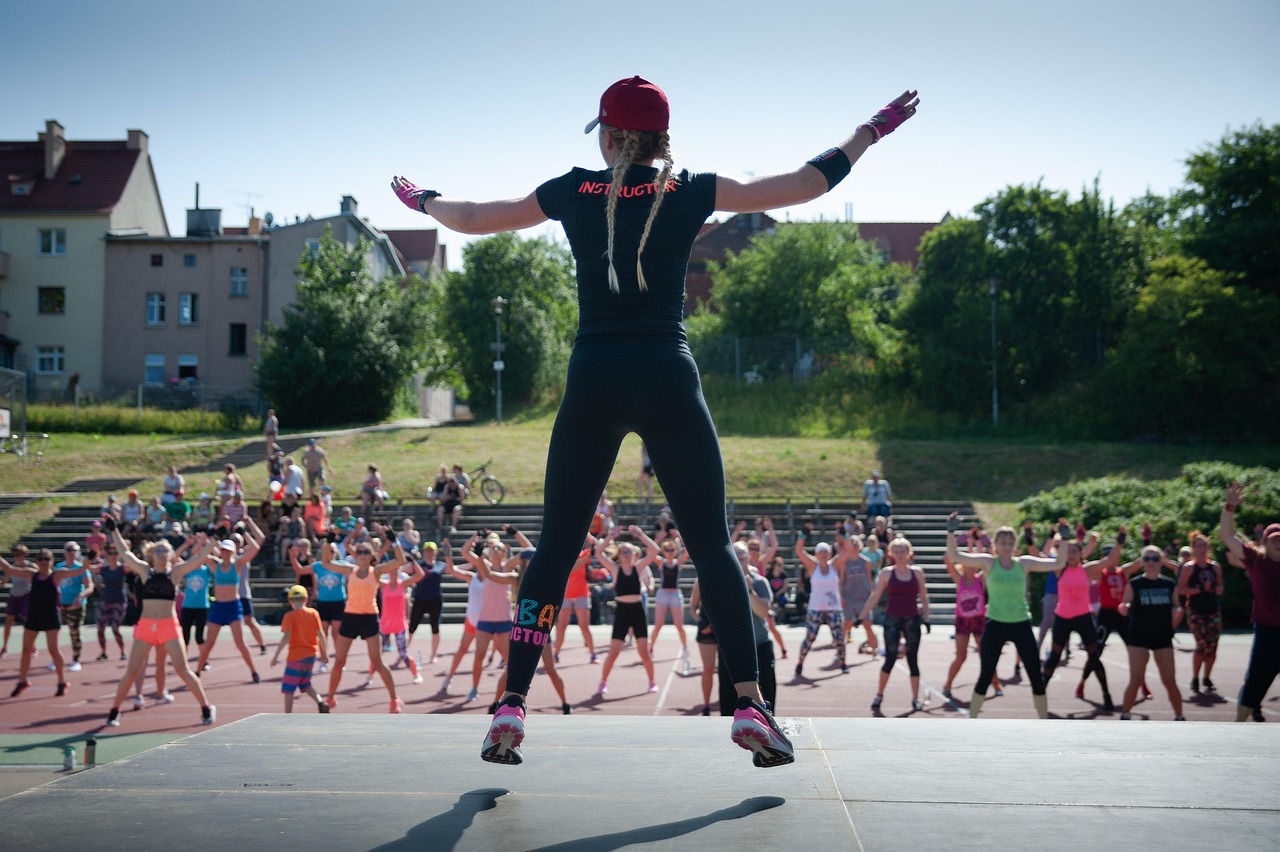
Walking into your first Zumba class can feel intimidating, but instructors are trained to create a welcoming environment for newcomers. Most classes begin with a warm-up featuring slower-paced songs to prepare the body for more vigorous movement. The instructor demonstrates each move, and while the choreography may seem complex at first, the steps are intentionally repetitive to help participants catch on quickly.
A typical class structure includes several songs, each with its own choreography based on different dance styles. You might samba to Brazilian beats, groove to reggaeton rhythms, or step to cumbia patterns—all within the same hour. The instructor will often break down complicated sequences and encourage participants to add their own flair to the movements.
One of the most liberating aspects of Zumba is that perfection isn’t the goal. If you miss a step or turn the wrong direction, you simply keep moving. The emphasis is on effort and enjoyment rather than flawless execution. Most participants find that their coordination and confidence improve dramatically after just a few classes.

Essential Tips for Beginners:
- Wear comfortable athletic clothing that allows free movement
- Choose supportive sneakers with good lateral support
- Bring a water bottle to stay hydrated throughout class
- Arrive a few minutes early to introduce yourself to the instructor
- Position yourself where you can see the instructor clearly
- Don’t worry about getting every move perfect—just keep moving
- Listen to your body and modify movements as needed
- Have fun and let loose! 🎉
Different Zumba Formats for Every Fitness Level
As the Zumba brand expanded, the company recognized that different populations have different needs and preferences. This led to the development of specialized programs designed to make the Zumba experience accessible to virtually everyone, regardless of age, fitness level, or physical limitations.
Zumba Gold was created specifically for active older adults and those new to exercise. The choreography uses the same great music but at a lower intensity, with modifications that accommodate joint concerns and balance considerations. Many seniors have found Zumba Gold to be an excellent way to maintain mobility, socialize, and enjoy movement without excessive impact.
Zumba Toning adds lightweight toning sticks (essentially maraca-like weights) to traditional Zumba choreography. These tools add resistance to movements, intensifying muscle engagement in the arms, core, and lower body. The shaking action of the sticks also adds a percussive element that enhances the musical experience.
Aqua Zumba brings the party to the pool, offering a refreshing twist on traditional classes. The water provides natural resistance that increases muscle engagement while reducing impact on joints. This format is particularly beneficial for pregnant women, individuals recovering from injuries, and those with arthritis or other conditions that make land-based exercise challenging.
Zumba Kids and Zumba Kids Jr. introduce children to healthy, active lifestyles through age-appropriate choreography and music. These programs help youngsters develop coordination, confidence, and a positive relationship with movement from an early age.
Strong by Zumba (now known as Strong Nation) represents a departure from the traditional dance-based format. This high-intensity interval training (HIIT) program syncs music with bodyweight exercises, plyometrics, and athletic training moves for a different kind of challenge that still maintains the motivational power of perfectly matched beats.
The Music That Moves You 🎵
Music is the heartbeat of every Zumba class, and the program’s success is partly due to its carefully curated soundtracks. Zumba has licensing agreements with major record labels and works with both international superstars and emerging artists to create exclusive workout tracks that blend original songs with remixed hits.
The musical diversity keeps classes fresh and engaging. In a single session, you might move to reggaeton from Puerto Rico, cumbia from Colombia, samba from Brazil, salsa from Cuba, flamenco from Spain, Bollywood beats from India, and contemporary pop from around the globe. This multicultural approach exposes participants to rhythms and styles they might not encounter otherwise.
Zumba releases new music compilations regularly, ensuring instructors have access to current hits and trending sounds. Many instructors also incorporate popular mainstream songs into their playlists, remixing them with Latin or world music influences to fit the Zumba format. The result is a soundtrack that feels both familiar and exciting, motivating participants to push through challenging moments.
Building Community Through Movement 🤝
One of Zumba’s most powerful aspects is its ability to create community. Regular participants often form strong friendships with classmates and develop a sense of belonging that extends beyond the studio. This social connection serves as a powerful motivator for consistency—when you know your friends will be at class, you’re much more likely to show up yourself.
Many Zumba studios host special events like glow parties (with blacklights and neon accessories), themed classes (such as 80s night or Latin carnival), and charity fundraisers that bring the community together for causes beyond fitness. These events deepen relationships and reinforce the idea that Zumba is about more than just exercise—it’s a lifestyle and a shared experience.
The global Zumba community also connects online through social media groups, YouTube channels, and official Zumba platforms. Instructors share choreography videos, participants post their progress stories, and enthusiasts from different countries exchange tips and encouragement. This digital dimension has made the Zumba experience even more inclusive and supportive.
Becoming a Zumba Instructor: Sharing the Joy 🌟
For those who fall deeply in love with Zumba, becoming a certified instructor offers an opportunity to share that passion with others. The Zumba Instructor Training program provides comprehensive education in choreography, class structure, music selection, and safety considerations. The training is intense but accessible, typically completed in a single day or weekend workshop.
After completing basic training, instructors receive a license to teach Zumba classes and gain access to the Zumba Instructor Network (ZIN), a membership program that provides monthly choreography updates, music downloads, marketing resources, and continuing education opportunities. ZIN members form a global network of fitness professionals who support each other’s growth and success.
Many Zumba instructors describe their work as incredibly fulfilling. They witness firsthand the transformations that occur when people discover joy in movement—weight loss, improved confidence, reduced anxiety, enhanced social connections, and renewed enthusiasm for life. The opportunity to positively impact others’ health and happiness makes the challenges of instruction worthwhile.
Maximizing Your Zumba Experience
To get the most from your Zumba practice, consistency is key. While any amount of movement is beneficial, attending classes 2-3 times per week allows you to build cardiovascular endurance, improve coordination, and see measurable fitness improvements. Many participants find that Zumba becomes a highlight of their week—something they genuinely look forward to rather than dreading.
Pairing Zumba with a balanced diet amplifies results. The program burns significant calories, but weight management ultimately depends on the balance between calories consumed and expended. Focus on whole foods, adequate protein, healthy fats, and plenty of fruits and vegetables to fuel your workouts and support recovery.
Cross-training with strength exercises can complement Zumba’s cardiovascular benefits. While Zumba provides some muscle toning, especially in the lower body, adding resistance training 1-2 times per week helps build lean muscle mass, increases metabolism, and reduces injury risk by strengthening joints and connective tissues.
Don’t forget the importance of rest and recovery. Your body needs time to repair and adapt to the demands of exercise. Ensure you’re getting adequate sleep, staying hydrated, and listening to your body’s signals. If you experience persistent pain or unusual fatigue, take a rest day or consult a healthcare professional.
Zumba at Home: Dancing Beyond the Studio 🏠
While in-person classes offer unmatched energy and community, Zumba can also be practiced at home. The official Zumba website offers on-demand video classes spanning various styles and intensity levels. YouTube features thousands of free Zumba workouts led by certified instructors from around the world. Gaming systems like Nintendo Switch, Xbox, and PlayStation have released Zumba video games that turn your living room into a dance party.
Home practice offers flexibility for those with busy schedules, childcare challenges, or limited access to studios. It allows you to work out on your own timeline and repeat favorite routines as often as you like. However, home practice requires self-discipline and doesn’t provide the same motivational energy as a live class environment.
Many Zumba enthusiasts find a hybrid approach works best—attending in-person classes when possible for the community experience and accountability, supplemented with home workouts when schedule or circumstances prevent studio attendance. This combination ensures consistency while maintaining the social benefits that make Zumba special.
The Lasting Impact of a Dance-Fitness Movement 💪
Zumba has fundamentally changed how people perceive exercise. By removing the intimidation factor and emphasizing enjoyment over punishment, it has welcomed millions of individuals into active lifestyles who might otherwise have remained sedentary. People who once hated working out now eagerly anticipate their next class, proving that when fitness feels good, sustainability becomes natural.
The program has also influenced the broader fitness industry, inspiring countless similar dance-fitness formats and reinforcing the importance of enjoyment in exercise adherence. Gyms and studios now recognize that fun, music-driven classes attract and retain members more effectively than traditional, rigid workout programs.
Perhaps most importantly, Zumba has created a global culture of celebration, acceptance, and empowerment. In Zumba classes worldwide, people of different backgrounds, body types, ages, and abilities move together without judgment. The mirror isn’t there to critique imperfections—it’s there to help you see your own joy, strength, and vitality reflected back at you.
Whether you’re seeking weight loss, stress relief, social connection, or simply a fun way to move your body, Zumba offers a pathway to wellness that feels less like work and more like play. The infectious rhythms, welcoming community, and proven health benefits create an experience that transforms exercise from an obligation into a celebration. So why not give it a try? Your first dance party workout might just change your life. 🎊
