
Anúncios
Ever wondered how to tune into FM and AM radio stations directly from your smartphone without burning through your data plan? Let’s explore this fascinating feature.


Radio broadcasting has been a cornerstone of communication for over a century, and surprisingly, many modern smartphones still carry the capability to receive traditional FM and AM signals. While streaming services dominate the audio landscape, traditional radio remains relevant for emergency alerts, local news, and preserving battery life when cellular networks are unavailable.
The technology behind radio reception on mobile devices is both simple and elegant. Most smartphones manufactured in the past decade include an FM radio chip embedded within their hardware, typically integrated into the same chipset that handles Bluetooth and Wi-Fi. However, whether you can actually use this feature depends on several factors including your device manufacturer, carrier policies, and geographic location.
📻 Understanding FM and AM Technology in Smartphones
Traditional radio broadcasts operate on different frequency bands. FM (Frequency Modulation) broadcasts typically range from 87.5 to 108 MHz, while AM (Amplitude Modulation) uses frequencies between 530 and 1700 kHz. These analog signals travel through the air and can be picked up by compatible receivers without requiring an internet connection.
The hardware necessary for FM reception is remarkably compact. Modern chipsets from manufacturers like Qualcomm and MediaTek include FM radio capabilities as a standard feature. The Qualcomm Snapdragon series, for instance, has integrated FM receivers in most of their processors since 2010. This means the technology is already present in millions of devices worldwide.
AM radio reception on smartphones is considerably rarer. The longer wavelengths and different antenna requirements make AM implementation more challenging in the compact form factor of modern phones. Most mobile devices with radio capabilities support only FM broadcasts, though some specialized devices and apps offer AM through internet streaming instead.
🔌 The Hardware Requirements You Need to Know
Having an FM chip in your phone doesn’t automatically mean you can listen to radio. The functionality requires specific hardware components working together harmoniously. First and foremost, you need wired headphones or earbuds. This isn’t just a random requirement – the headphone cable actually serves as the radio antenna.
The wire running from your phone to your earbuds picks up radio waves from the surrounding environment. Without this antenna, the FM chip cannot receive signals effectively. This is why wireless Bluetooth headphones won’t work for traditional FM radio reception, though they’ll work perfectly fine for streaming radio apps.
Some manufacturers have designed phones with built-in antennas specifically for radio reception, eliminating the headphone requirement. However, these devices are relatively uncommon in mainstream markets and typically found in feature phones or specialized rugged smartphones designed for emergency preparedness.
🌍 Regional and Carrier Differences That Matter
Your ability to access FM radio on your smartphone varies dramatically depending on where you live and which carrier you use. In the United States, many carriers historically disabled FM radio functionality even when the hardware supported it. This practice gradually changed following advocacy from the Federal Emergency Management Agency (FEMA) and the Federal Communications Commission (FCC).
The NextRadio initiative, launched in 2013, successfully convinced numerous smartphone manufacturers and carriers to activate FM chips. By 2018, over 100 million smartphones in North America had activated FM radio capabilities. However, the initiative ended in 2019, and support has become more fragmented since then.
European and Asian markets typically offer better FM radio support. Many European smartphones come with FM radio enabled by default, and manufacturers in Asia often include the feature as a standard selling point. Countries like India, where radio remains extremely popular, see nearly universal FM support across device ranges.

📱 Which Smartphones Actually Support Radio?
Android devices generally offer better prospects for FM radio functionality than iPhones. Most Android manufacturers include FM chips in their devices, though activation varies by model and region. Samsung, LG, Motorola, and HTC devices frequently include working FM receivers, particularly in mid-range and budget models where the feature serves as a value-added benefit.
Apple’s approach has been consistently different. While some older iPhone models contained FM-capable chips, Apple has never activated this functionality. The company maintains that streaming services and Apple Music provide superior audio experiences. No iPhone model, from the original to the latest releases, officially supports FM radio reception without internet connectivity.
To determine if your specific Android device supports FM radio, check the manufacturer’s specifications or download an FM radio app from the Play Store. Apps like NextRadio (now discontinued but still functional on supported devices), Simple Radio, or your phone manufacturer’s proprietary radio app will only work if your hardware supports the feature.
🎧 Popular Apps for Radio Listening
The radio app ecosystem splits into two distinct categories: hardware-based FM receivers and internet streaming applications. Hardware-based apps access your phone’s FM chip directly, allowing you to listen to local broadcasts without data usage. These apps typically offer basic functionality including station scanning, favorites lists, and RDS (Radio Data System) information displaying song titles and artist names.
Internet streaming apps provide access to thousands of radio stations worldwide regardless of your physical location or hardware capabilities. These applications stream audio over your cellular connection or Wi-Fi, consuming data but offering far greater station selection. Popular options include TuneIn Radio, iHeartRadio, Radio.com, and Simple Radio.
Some apps bridge both worlds, offering FM reception when available and seamlessly switching to internet streaming when hardware support is unavailable. This hybrid approach provides the best user experience, combining the data-free benefit of FM with the extensive selection of streaming services.
💡 Advantages of Traditional Radio on Mobile Devices
The most compelling advantage of FM radio on smartphones is zero data consumption. When you’re listening to a local FM station through your phone’s built-in receiver, you’re not using any cellular data or Wi-Fi bandwidth. This becomes particularly valuable when you’re approaching your monthly data limit or traveling internationally where data roaming charges apply.
Battery efficiency represents another significant benefit. Receiving FM broadcasts requires minimal power compared to streaming audio over cellular networks. The FM chip consumes far less energy than maintaining a continuous data connection, potentially extending your battery life by several hours during extended listening sessions.
Emergency preparedness provides perhaps the most critical advantage. During natural disasters or emergencies when cellular networks become overloaded or fail completely, FM radio continues functioning. Emergency broadcast systems use FM radio to disseminate vital information, and having a working FM receiver in your pocket could prove lifesaving during crisis situations.
⚠️ Limitations and Challenges to Consider
Reception quality varies dramatically based on your location and environmental factors. Urban areas with tall buildings can create signal interference, while rural locations might have limited station availability. The headphone wire antenna, while functional, isn’t as efficient as dedicated radio antennas, sometimes resulting in static or weak signals.
Station selection is inherently limited to your geographic area. Unlike streaming services offering thousands of stations worldwide, FM radio only provides access to broadcasts within roughly 30-50 miles of your location. This local focus can be an advantage for community news and traffic updates but limits your listening options during travel.
The gradual phase-out of headphone jacks on modern smartphones creates a practical obstacle. Many newer phones lack the 3.5mm audio port necessary for wired headphones, which means you’d need a USB-C or Lightning adapter. These adapters often don’t support FM radio functionality, effectively eliminating the feature even if the underlying chip is present.
🔮 The Future of Radio on Mobile Devices
Digital radio broadcasting standards like DAB+ (Digital Audio Broadcasting) and HD Radio represent the evolution of over-the-air radio technology. These digital formats offer superior audio quality, additional metadata, and more efficient spectrum usage compared to traditional analog FM. Some smartphones in European markets already include DAB+ receivers, though adoption remains limited.
The smartphone industry trend seems to be moving away from dedicated radio chips. As manufacturers prioritize thinner designs and focus resources on 5G capabilities, traditional FM receivers are increasingly viewed as legacy features. Major flagship devices from Samsung, Google, and OnePlus often omit FM radio support entirely, reserving the feature for budget and mid-range models.
However, regulatory pressure and emergency preparedness concerns may preserve radio functionality in certain markets. Government agencies worldwide recognize the value of FM radio during emergencies, and some regions may mandate radio receivers in mobile devices as a public safety measure. This regulatory landscape could influence future hardware decisions by manufacturers.
🛠️ How to Activate FM Radio on Your Device
If your Android smartphone contains an FM chip, activation is typically straightforward. First, connect wired headphones to your device using the 3.5mm jack or appropriate adapter. Next, search your app drawer for a pre-installed radio app – many manufacturers include proprietary radio applications with names like “FM Radio,” “Radio,” or the manufacturer’s brand name followed by “Radio.”
If no pre-installed app exists, visit the Google Play Store and search for FM radio applications. Download a highly-rated app and launch it with your headphones connected. The app will automatically detect whether your device supports FM reception. If supported, you’ll see a scanning interface that searches for available stations in your area.
For devices where FM has been disabled by the carrier but the hardware exists, rooting your phone or installing custom firmware might enable the functionality. However, this process voids warranties, poses security risks, and requires technical expertise. For most users, the risks outweigh the benefits of this approach.
🌐 Internet Radio as the Modern Alternative
Internet radio streaming has largely replaced traditional broadcasts for mobile listening. Services like Spotify, Apple Music, and YouTube Music offer curated radio-style stations alongside on-demand content. Dedicated internet radio platforms provide access to tens of thousands of stations worldwide, from major commercial broadcasters to niche community stations.
The audio quality of internet streaming typically surpasses FM broadcasts, with many services offering high-bitrate streams that eliminate the static and interference common in analog radio. Advanced features like pause, rewind, and skipping tracks – impossible with traditional FM – make streaming more user-friendly for on-demand lifestyles.
Data consumption remains the primary drawback. Streaming audio typically uses 40-150 MB per hour depending on quality settings. For users with unlimited data plans, this consumption is negligible. However, those with limited plans or in areas with unreliable cellular coverage may find traditional FM radio’s zero-data approach more practical.
📊 Comparing Your Radio Options
| Feature | FM Radio Chip | Internet Streaming |
|---|---|---|
| Data Usage | None | 40-150 MB/hour |
| Battery Consumption | Very Low | Moderate to High |
| Station Selection | Local only | Worldwide access |
| Audio Quality | Good (analog) | Excellent (digital) |
| Emergency Function | Highly Reliable | Network Dependent |
| Device Requirements | FM chip + wired headphones | Internet connection only |
🎯 Making the Right Choice for Your Needs
Your ideal radio solution depends on your specific usage patterns and priorities. Daily commuters in areas with strong FM signals and favorite local stations benefit most from built-in FM receivers. The zero-data, low-battery approach makes perfect sense for routine listening during predictable commutes.
Travelers and those seeking variety should prioritize internet streaming services. The ability to access your favorite stations from anywhere in the world, discover new content, and enjoy superior audio quality outweighs the data consumption for many users. Downloading stations or shows for offline listening can mitigate data concerns during travel.
The most versatile approach combines both methods. Keep an FM radio app installed with wired headphones available for emergencies and data-free listening, while primarily using streaming services for daily entertainment. This hybrid strategy ensures you’re prepared for any situation while enjoying the best features of modern audio technology.
🔐 Privacy and Security Considerations
Traditional FM radio reception offers complete privacy since you’re only receiving broadcasts without sending any data. Radio stations cannot track who’s listening, how long you listen, or what stations you prefer. This passive consumption model provides a level of privacy impossible with internet-based services.
Internet streaming platforms, conversely, collect extensive data about your listening habits. This information informs recommendations and advertising but also creates detailed profiles about your preferences, location, and behavior. While most reputable services protect this data responsibly, privacy-conscious users may prefer FM radio’s anonymous listening experience.
Security concerns with internet radio primarily involve malicious apps disguised as legitimate radio services. Always download radio applications from official stores like Google Play or the Apple App Store, check developer credentials, and review permissions carefully. Legitimate radio apps require minimal permissions – be suspicious of apps requesting access to contacts, messages, or other unrelated data.
🌟 Maximizing Your Mobile Radio Experience
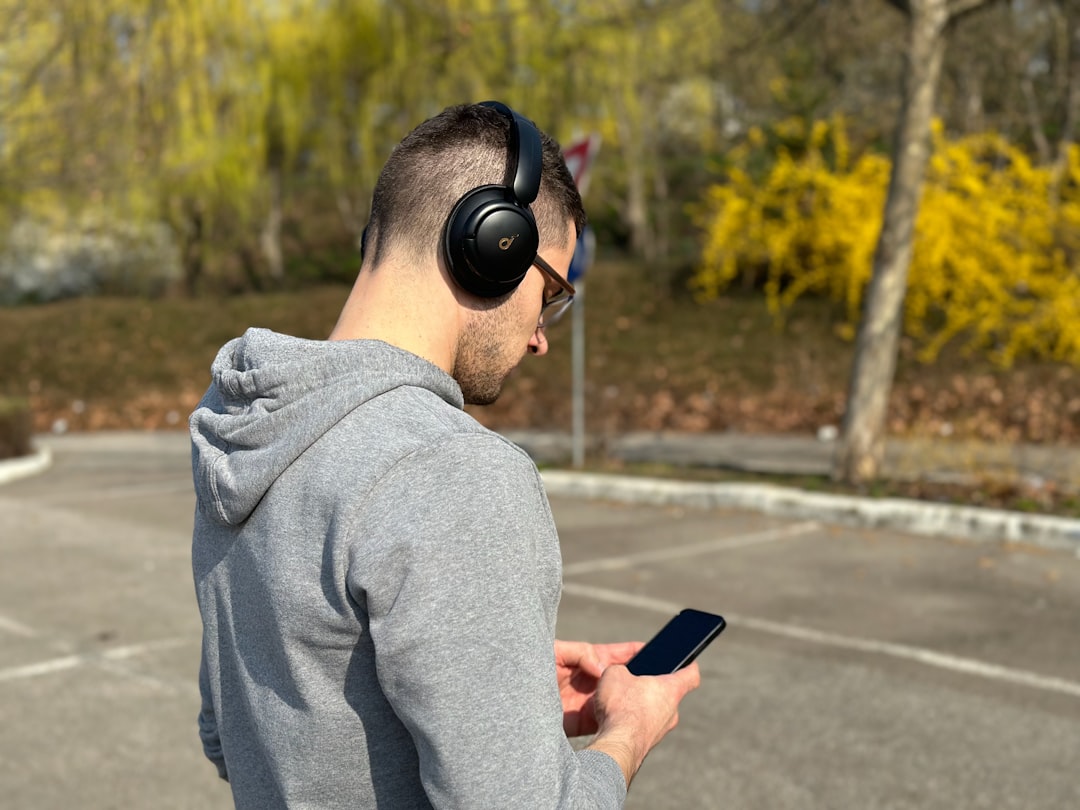
Whether you’re using FM chips or streaming services, several strategies enhance your listening experience. For FM radio, invest in quality wired headphones with good shielding to improve reception. Position yourself near windows when indoors, as building materials can significantly attenuate radio signals. Experiment with headphone cable positioning – sometimes slightly adjusting the wire improves signal strength.
For internet streaming, download favorite stations or shows when connected to Wi-Fi for offline listening. Most apps offer this functionality, essentially converting streaming content into a podcast-style experience. Enable data-saving modes in your streaming apps to reduce consumption, and consider lower bitrate options when audio quality isn’t critical.
Create preset lists of your favorite stations regardless of which method you use. Both FM apps and streaming services allow quick access to preferred channels, eliminating the need to search repeatedly. Organize stations by genre, mood, or time of day to streamline your listening routine and discover the perfect audio companion for any moment.
The world of radio on mobile devices offers more options than ever before. Traditional FM broadcasting continues serving millions of listeners with reliable, data-free access to local content, while internet streaming opens up a universe of global stations and on-demand audio. Understanding the capabilities of your specific device, the trade-offs between different approaches, and how to optimize your setup ensures you’ll always have access to engaging audio content wherever life takes you. Whether you’re tuning into breaking news during your morning commute, discovering new music from stations halfway around the world, or simply ensuring you’re prepared for emergencies, your smartphone puts the entire spectrum of radio broadcasting literally at your fingertips.
