
Anúncios
The tape measure, known as “trena” in many languages, is one of the most essential tools in construction, design, crafting, and everyday life measurements.


Whether you’re a professional contractor, an interior designer, a DIY enthusiast, or simply someone who needs to measure furniture before purchasing, understanding the tape measure and its proper use can save time, money, and frustration. This versatile tool has evolved significantly over the years, adapting to modern needs while maintaining its core functionality.
From traditional steel tape measures to digital laser versions and even smartphone apps, the world of measurement tools continues to expand. In this comprehensive guide, we’ll explore everything you need to know about tape measures, including their history, types, uses, and tips for choosing the right one for your specific needs. 📏
The Evolution of the Tape Measure Through History
The concept of portable measuring devices dates back thousands of years. Ancient Egyptians used knotted ropes to measure land and construct their magnificent pyramids. However, the tape measure as we know it today emerged during the Industrial Revolution when precision and portability became increasingly important.
The first spring-return pocket tape measure was patented in 1868 by Alvin J. Fellows, revolutionizing how workers carried and used measuring tools. Before this innovation, measuring was done primarily with rigid wooden rules or cumbersome chains. The retractable design allowed for easy storage and quick deployment, making it an instant success among tradespeople.
Throughout the 20th century, improvements in materials and manufacturing techniques led to more durable and accurate tape measures. The introduction of nylon-coated steel blades increased longevity, while the addition of features like magnetic tips and auto-lock mechanisms enhanced functionality. Today’s digital and laser tape measures represent the latest evolution, combining traditional measurement principles with cutting-edge technology.
Understanding Different Types of Tape Measures 🔧
Not all tape measures are created equal. Understanding the various types available helps you select the perfect tool for your specific application.
Traditional Retractable Tape Measures
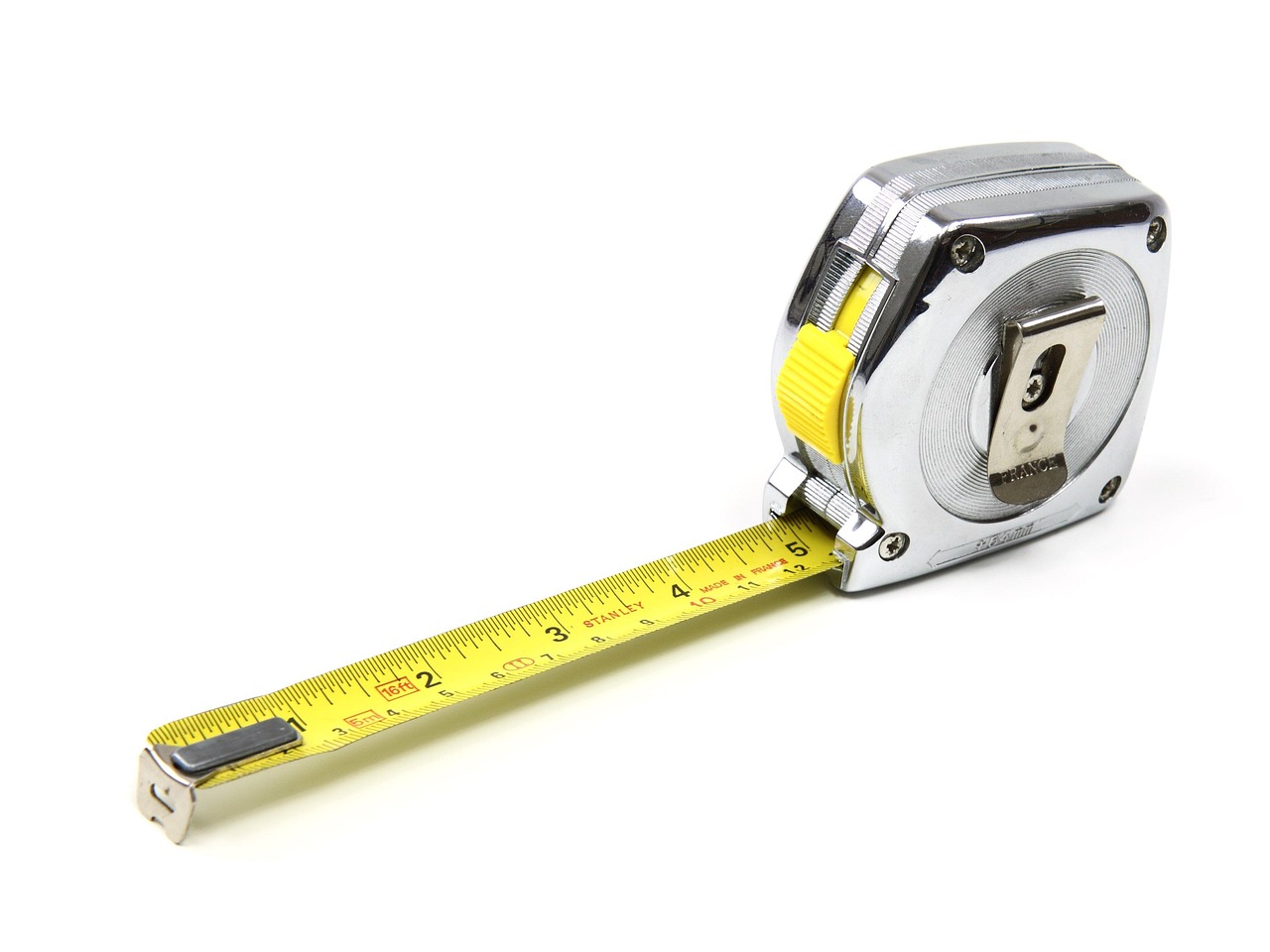
These are the most common type found in toolboxes worldwide. Featuring a flexible steel blade that retracts into a compact case, they typically range from 12 to 35 feet in length. The blade is slightly curved to maintain rigidity when extended, allowing for one-handed operation over reasonable distances. Quality models include features like belt clips, auto-lock buttons, and cushioned cases to absorb impact from drops.
Long Tape Measures
Also known as surveyor’s tapes or open-reel tapes, these measuring tools extend from 50 to 300 feet or more. They’re essential for large-scale projects such as land surveying, road construction, and sports field layout. The tape is typically housed in a round case and requires manual rewinding. Many professional versions include stands and handles for easier operation by two people.
Digital Tape Measures
Combining traditional tape functionality with electronic displays, digital tape measures provide instant readings in multiple units. They often include memory functions to store measurements, calculate areas and volumes, and even transfer data to smartphones or computers via Bluetooth. These tools are particularly valuable when working with different measurement systems or requiring precise calculations.
Laser Distance Meters
While technically not tape measures, laser distance meters have become popular alternatives for certain applications. They project a laser beam to a target and calculate distance based on the time it takes for the light to reflect back. These devices excel at measuring long distances quickly and accurately, especially in situations where traditional tapes would be impractical.

Smartphone Tape Measure Apps
Modern technology has brought measurement capabilities directly to our pockets. Using augmented reality and camera sensors, smartphone apps can measure distances, heights, and even areas with surprising accuracy. While they may not replace professional-grade tools for critical applications, they’re incredibly convenient for quick measurements and planning purposes.
Key Features to Consider When Choosing a Tape Measure
Selecting the right tape measure depends on understanding which features matter most for your intended use. Here are the critical factors to evaluate before making a purchase.
Blade Length and Width
Longer blades offer extended reach but result in bulkier tools. For general household use, a 16 to 25-foot tape typically suffices. Professional contractors often prefer 25 to 35-foot models. The blade width affects standout—the distance the tape can extend horizontally before collapsing under its own weight. Wider blades provide better standout, enabling solo measurements over longer distances.
Measurement Markings
Clear, easy-to-read markings are essential for accurate measurements. Look for blades with bold numerals and fraction indicators. Some tapes feature dual-scale markings showing both imperial and metric units, which is helpful when working with international specifications or converting between systems. Premium models may include specialized markings for stud spacing or roof pitches.
Durability and Construction Quality
A tape measure endures considerable wear in typical use. Quality construction includes a protective blade coating to resist scratches and corrosion, a reinforced case to withstand drops, and a robust spring mechanism for smooth retraction over thousands of cycles. Look for models with impact-absorbing rubber bumpers and sealed cases that keep out dust and moisture.
Special Features That Add Value ✨
Modern tape measures come with various enhancements. Magnetic hooks attach to metal surfaces for hands-free measuring. Fractional markings simplify reading measurements without mental calculations. Auto-lock mechanisms hold the blade at any extension until released. Some models include built-in pencils or marking notches on the hook for scribing reference lines.
Professional Applications Across Different Industries
The tape measure serves as an indispensable tool across numerous professions, each with specific requirements and preferences.
Construction and Carpentry
Construction professionals rely on tape measures for virtually every task, from framing walls to installing trim. Carpenters particularly value tapes with clear stud markings at 16 and 24-inch intervals. The hook’s ability to catch on board edges and the standout capability for measuring across rooms single-handedly make certain models favorites among tradespeople.
Interior Design and Decoration
Interior designers use tape measures to verify room dimensions, plan furniture layouts, and ensure proper scale relationships between design elements. Accuracy to the eighth or sixteenth of an inch matters when specifying custom furniture or determining if existing pieces fit new spaces. Digital measuring tools help designers quickly calculate areas for flooring, wallpaper, or paint estimates.
Real Estate and Property Management
Real estate professionals measure rooms to provide accurate square footage in property listings. Laser distance meters have become popular in this field because they enable quick, professional-looking measurements without assistance. The ability to measure ceiling heights and calculate volumes helps assess property values and renovation costs.
Fashion and Tailoring
Soft, flexible tape measures without rigid cases are essential in garment making. These cloth or plastic tapes conform to body curves for accurate measurements of chest, waist, hips, and limb dimensions. Dual-sided markings showing both centimeters and inches accommodate pattern instructions from different regions.
Mastering Proper Tape Measure Techniques 📐
Accurate measurement requires more than just extending a tape and reading a number. Proper technique ensures reliable results that prevent costly mistakes.
Understanding the Hook System
The metal hook at a tape measure’s end moves slightly—this is intentional, not a defect. When hooking over an edge for “outside” measurements, the hook moves outward to account for its thickness. When pushing against a surface for “inside” measurements, it moves inward. This compensation ensures accuracy in both scenarios. Never tighten loose rivets on the hook, as this adjustment is calibrated at the factory.
Taking Inside Measurements
When measuring between two surfaces, such as the inside width of a cabinet, extend the tape and note where it meets one surface. For precise results, add the case length (usually printed on the case bottom) to the blade reading. Alternatively, use a tape measure with a digital display that automatically calculates the total including the case.
Maintaining Accuracy Over Distance
Long measurements introduce potential for error through tape sag or misalignment. For spans exceeding the blade’s standout, secure the hook end before extending. Keep the tape level and taut without excessive tension that might stretch the blade. When possible, have a helper hold one end while you read the other, ensuring the tape follows the intended measurement path.
Marking and Recording Measurements
Develop a consistent system for marking measurements. The tape’s hook includes a marking slot for scoring reference lines with a pencil or nail. When recording multiple dimensions, use a standardized notation method and immediately write measurements down rather than relying on memory, which frequently leads to errors and rework.
Maintenance Tips for Longevity and Accuracy
Proper care extends a tape measure’s lifespan and maintains its precision, providing reliable service for years.
Keep the blade clean by periodically wiping it with a dry cloth. Accumulated sawdust, drywall dust, or concrete residue can impair the retraction mechanism and obscure markings. For stubborn grime, use a slightly damp cloth followed by immediate drying. Avoid solvents that might damage blade coatings or markings.
Protect the tape from impacts by using the blade-lock feature during retraction. Allowing the blade to snap back freely causes the hook to strike the case at high speed, potentially damaging both components. Controlled retraction prevents this wear and extends tool life significantly.
Store tape measures in dry environments when not in use. Moisture promotes rust on steel blades and degrades the spring mechanism. If a tape does get wet, fully extend the blade to air dry before retracting it into the case. Periodically apply a light coating of lubricant to the blade to prevent corrosion and ensure smooth operation.
Verify accuracy periodically by comparing measurements against a known standard. Over time, blade coatings wear at the hook end, and the hook itself may become damaged, introducing measurement errors. Replace tapes that show signs of significant wear or produce inconsistent readings.
Common Mistakes and How to Avoid Them ⚠️
Even experienced users occasionally make measurement errors. Awareness of common pitfalls helps prevent them.
Parallax Reading Errors
Reading the tape from an angle rather than directly above causes parallax errors where the measurement appears different from the true value. Always position your eye directly over the measurement point and ensure adequate lighting to read markings clearly. This simple practice eliminates one of the most frequent sources of measurement inaccuracy.
Confusing Fraction Markings
Imperial tape measures show increasingly smaller fractions with shorter marks. The longest marks after whole inches typically indicate half inches, followed by quarter-inch, eighth-inch, and sixteenth-inch divisions. Misreading these gradations leads to cumulative errors in projects requiring multiple measurements. Take time to understand your tape’s marking system before beginning critical work.
Ignoring Measurement Addition
When adding the case length for inside measurements, users sometimes forget to include this dimension, resulting in measurements that are short by 2 to 3 inches. Make it a habit to check whether your measurement method requires adding the case dimension, and keep a note of your tape’s case length readily available.
Using Damaged Tapes
Bent, kinked, or torn blades produce unreliable measurements. A damaged hook that no longer moves freely or sits at an incorrect angle introduces consistent error into every measurement. Rather than compromising project quality, replace damaged tapes immediately.
The Digital Revolution in Measuring Technology 📱
Technology continues transforming how we approach measurement tasks, offering capabilities beyond what traditional tools provide.
Smartphone applications leverage device cameras and sensors to measure distances, heights, and areas through augmented reality. While not yet matching the precision of quality physical tape measures for professional applications, they offer remarkable convenience for quick checks, furniture shopping, and preliminary planning. The best apps compensate for device variations through calibration procedures and provide measurement accuracy within acceptable tolerances for many casual uses.
Bluetooth-enabled measuring tools sync with smartphones or tablets, automatically recording and organizing measurements. This integration eliminates manual note-taking and the errors it introduces. Project management applications can import measurements directly, generating material lists, cost estimates, and cut diagrams without manual data entry. For professionals managing multiple projects, this efficiency represents significant time savings and improved accuracy.
Laser measuring technology has become increasingly affordable and sophisticated. Modern units measure distances up to several hundred feet with millimeter accuracy, calculate areas and volumes automatically, and include features like Pythagoras functions for indirect measurements. Some models incorporate cameras to document where measurements were taken, valuable for detailed project records.
Choosing Between Traditional and Modern Measuring Solutions
The abundance of measurement options raises questions about which tools best serve specific needs and preferences.
Traditional tape measures remain unmatched for durability, reliability in harsh conditions, and zero dependency on batteries or calibration. They work perfectly in extreme temperatures, dusty environments, and situations where electronic devices might be damaged. Their tactile feedback and instant readability without looking at screens make them efficient for rapid, repetitive measurements.
Digital and laser tools excel when precision documentation matters, when working alone across large distances, or when measurements must integrate with digital planning tools. Their ability to switch instantly between measurement units, store multiple readings, and calculate complex measurements saves considerable time on appropriate projects.
The practical answer for many users involves having both types available. A quality traditional tape measure handles daily measurement tasks reliably, while digital tools provide specialized capabilities when their advantages justify the investment. Understanding each tool’s strengths and limitations enables informed choices about which to deploy for specific situations.
Environmental Considerations and Sustainability ♻️
As environmental awareness grows, considering the sustainability aspects of tools becomes increasingly important.
Quality tape measures represent sustainable choices through their longevity. A well-maintained steel tape measure can provide decades of service, eliminating the waste associated with disposable tools. When purchasing, prioritize durability over price to maximize tool lifespan and minimize environmental impact.
Repair rather than replace when possible. Many tape measure issues—damaged hooks, worn belt clips, or broken lock mechanisms—can be fixed with readily available parts. Some manufacturers offer repair services or sell replacement components, extending tool life significantly beyond what disposal-oriented approaches achieve.
When a tape measure reaches end-of-life, proper disposal matters. Steel blades can be recycled with other metals, while plastic cases may be recyclable depending on local facilities. Separate components rather than discarding intact units to maximize material recovery. Some tool retailers operate take-back programs that ensure proper recycling of old tools.
Digital measuring tools present different sustainability considerations. Their electronic components require more complex recycling processes, and battery-powered models generate ongoing waste. However, their increased measurement efficiency might reduce material waste in projects by preventing measurement errors that lead to incorrect cuts and wasted materials. Balance these factors when choosing between tool types.
Future Trends in Measurement Technology 🚀
Innovation continues advancing measurement capabilities, with emerging technologies promising even greater convenience and precision.
Augmented reality integration will likely become more sophisticated, with AR glasses potentially overlaying measurements directly onto viewed scenes without requiring handheld devices. This hands-free approach would particularly benefit professionals who need measurements while working with tools or materials.
Artificial intelligence might enhance measurement accuracy by analyzing images to identify measurement points automatically, reducing user error in determining what to measure. AI could also provide real-time feedback about measurement quality and suggest optimal techniques for specific situations.
3D scanning technology becoming more accessible through smartphone integration will enable capturing complete spatial measurements of rooms or objects in minutes. This comprehensive data allows virtual modeling, precise material calculations, and simulation of modifications before physical work begins.
Regardless of technological advances, the fundamental principles of accurate measurement remain constant. Understanding proper technique, maintaining tools appropriately, and selecting the right tool for each application will always form the foundation of quality measurement practices.
Making the Most of Your Tape Measure Investment
Whether you choose a basic traditional tape measure or invest in advanced digital measuring systems, maximizing their value requires understanding and utilizing their full capabilities.
Read the manual or watch tutorial videos about your specific tape measure model. Many tools include features users never discover simply because they’re unaware they exist. Learning all functions ensures you benefit from the complete feature set you’ve purchased.
Practice measurement techniques during non-critical projects to develop proficiency before applying them to important work. Muscle memory developed through practice leads to faster, more accurate measurements when precision matters most.
Invest in accessories that enhance functionality. Belt holders keep tapes accessible without searching through tool bags. Magnetic attachments enable temporary mounting for hands-free operation. Cases protect digital models from damage during transport and storage.
The tape measure, in whatever form you choose, remains one of the most essential tools across countless applications. Understanding its proper use, maintenance, and limitations ensures you achieve accurate measurements that form the foundation of quality work in any project you undertake. From ancient knotted ropes to modern smartphone apps, the quest for accurate measurement continues driving innovation while respecting timeless principles of precision and reliability. 📏✨
