
Anúncios
Movies have shaped our culture, emotions, and imagination for over a century, offering windows into different worlds and mirrors reflecting our own humanity.


From the flickering black-and-white images of early cinema to today’s stunning visual effects and streaming platforms, films continue to evolve while maintaining their core purpose: storytelling. Whether you’re a casual viewer who enjoys weekend entertainment or a devoted cinephile analyzing every frame, movies offer something uniquely powerful that no other medium can replicate.
The relationship between audiences and cinema has transformed dramatically over the decades, yet our fundamental need for narrative remains unchanged. Films transport us across time and space, introduce us to perspectives we’ve never considered, and allow us to experience emotions in a safe, controlled environment. This exploration will dive deep into what makes movies so compelling, how they’ve evolved, and why they remain central to modern entertainment culture. 🎬
The Evolution of Cinema: From Silent Films to Digital Revolution
The journey of cinema began in the late 19th century when pioneers like the Lumière brothers and Thomas Edison experimented with moving images. Those early silent films, often just minutes long, captivated audiences who had never seen anything like them before. The simple act of watching a train arrive at a station was revolutionary.
As technology advanced, so did storytelling capabilities. The introduction of sound in the late 1920s with “The Jazz Singer” fundamentally changed cinema forever. Suddenly, actors could speak, music could underscore emotion, and sound effects could enhance realism. This “talkies” revolution forced silent film stars to adapt or fade away, reshaping Hollywood entirely.
Color film brought another dimension to storytelling, though it took decades to become the standard. Early Technicolor films like “The Wizard of Oz” and “Gone with the Wind” demonstrated color’s narrative potential, using visual palettes to enhance mood and meaning. Directors learned to “paint” with their cameras, creating visual symphonies that engaged audiences on deeper levels.
The digital revolution of recent decades has accelerated changes exponentially. Computer-generated imagery (CGI) has made the impossible possible, from realistic dinosaurs to entire fantasy worlds. Digital cameras have democratized filmmaking, allowing independent creators to produce professional-quality content without massive studio backing. Streaming platforms have transformed distribution, giving audiences instant access to thousands of titles.
Why Movies Matter: The Psychological and Cultural Impact of Film 🧠
Films serve purposes far beyond simple entertainment. Psychologically, movies provide safe spaces to experience intense emotions—fear, joy, sadness, anger—without real-world consequences. This emotional rehearsal helps us process feelings and develop empathy by experiencing life through others’ perspectives.
Research shows that watching films activates mirror neurons in our brains, causing us to emotionally simulate what characters experience. When we watch someone succeed against odds, we feel triumphant. When tragedy strikes on screen, we genuinely grieve. This neural mirroring explains why powerful films stay with us long after credits roll.
Culturally, movies reflect and shape society simultaneously. They document historical moments, preserve cultural practices, and challenge social norms. Films like “Philadelphia” helped humanize the AIDS crisis, while “Black Panther” provided representation that inspired millions. Cinema has the unique power to make the abstract concrete, turning social issues into personal stories that move hearts and change minds.
Movies also create shared cultural experiences. Certain films become touchstones that entire generations reference—think “Star Wars,” “The Godfather,” or “Titanic.” These shared narratives give us common language and reference points, strengthening social bonds across diverse communities.
Genres Decoded: Finding Your Perfect Movie Match
Understanding film genres helps viewers navigate the vast cinema landscape and discover content that resonates personally. Each genre offers distinct pleasures and fulfills different psychological needs.
Action and Adventure: Adrenaline on Screen ⚡
Action films deliver visceral thrills through spectacular stunts, fight sequences, and high-stakes scenarios. From classic westerns to modern superhero blockbusters, this genre satisfies our need for excitement and heroism. The best action movies balance spectacle with character development, ensuring we care about who’s fighting and why.
Adventure films take us to exotic locations and dangerous quests, appealing to our innate curiosity and desire for exploration. Whether it’s Indiana Jones hunting artifacts or hobbits destroying rings, adventure movies tap into timeless quest narratives that resonate across cultures.
Drama: The Human Condition Explored
Dramatic films focus on character development, emotional depth, and realistic conflicts. These movies often tackle serious subjects—family dysfunction, moral dilemmas, personal growth—without easy answers. Quality dramas leave audiences reflecting on their own lives and choices.
Period dramas transport us to different eras, combining historical education with compelling storytelling. Contemporary dramas address current issues, often serving as social commentary that sparks important conversations.
Comedy: Laughter as Medicine 😂
Comedies provide essential relief from life’s pressures. From slapstick to sophisticated wit, comedy genres vary widely but share the common goal of making audiences laugh. The best comedies contain truth within humor, using laughter to illuminate human absurdities and foibles.
Romantic comedies blend humor with love stories, offering escapist fantasies while exploring relationship dynamics. Satires use comedy as a weapon, exposing social hypocrisies and political absurdities through exaggeration and irony.

Horror and Thriller: Confronting Our Fears
Horror films allow safe exploration of fears and anxieties. By confronting monsters, ghosts, or human evil in controlled environments, we paradoxically feel more empowered in real life. Horror also serves as social metaphor—zombie films about conformity, creature features about environmental destruction.
Thrillers emphasize suspense and tension, keeping audiences on edge through mystery, danger, and psychological manipulation. Psychological thrillers particularly delve into mental states, exploring paranoia, obsession, and moral ambiguity.
Science Fiction and Fantasy: Imagination Unleashed 🚀
Science fiction explores “what if” scenarios, using future or alternate settings to examine contemporary issues from fresh angles. The best sci-fi combines spectacular visuals with philosophical depth, questioning what it means to be human, the ethics of technology, and our place in the universe.
Fantasy films create entirely new worlds with their own rules, mythologies, and magic systems. These movies appeal to our childlike wonder and desire for enchantment, offering escape while often containing profound truths about courage, friendship, and good versus evil.
The Art of Filmmaking: What Makes a Great Movie
Understanding cinematic craft enhances appreciation and viewing experience. Great films excel across multiple technical and artistic dimensions that work together seamlessly.
Storytelling and Screenwriting
Compelling narratives form cinema’s foundation. Strong screenplays feature well-developed characters, meaningful conflicts, appropriate pacing, and satisfying resolutions. The best scripts balance originality with universal themes, creating stories that feel both fresh and familiar.
Character development separates good films from great ones. Audiences need protagonists they understand and care about, with clear motivations, flaws, and growth arcs. Even villains should possess complexity and comprehensible motivations, however twisted.
Direction: The Visionary’s Role 🎥
Directors translate scripts into visual experiences, making countless creative decisions that shape final products. From casting choices to camera angles, color palettes to pacing, directors orchestrate all elements into cohesive wholes.
Great directors develop distinctive styles—think Wes Anderson’s symmetrical compositions, Christopher Nolan’s time manipulation, or Quentin Tarantino’s dialogue-heavy scenes. These auteurs stamp their personalities onto every project, creating recognizable cinematic signatures.
Cinematography: Painting with Light
Cinematographers (directors of photography) control how movies look visually. Through lighting, camera movement, lens choices, and composition, they create mood, direct attention, and enhance storytelling. Iconic images from great films—that silhouette, that color scheme, that unforgettable shot—usually result from brilliant cinematography.
Different cinematographic approaches suit different stories. Handheld cameras create documentary realism and immediacy, while smooth steadicam shots offer elegant sophistication. Lighting can make scenes feel warm and inviting or cold and threatening, subtly manipulating emotional responses.
Acting: Bringing Characters to Life
Performances breathe life into written words. Great actors disappear into roles, making audiences forget they’re watching performances. This requires technical skill—voice control, physicality, emotional access—combined with intuitive understanding of human psychology.
The best performances feel effortless, though they result from intensive preparation and skill. Method actors immerse themselves completely in characters, while technical actors construct performances through careful analysis. Both approaches can yield stunning results when executed masterfully.
Editing: The Invisible Art ✂️
Editors shape raw footage into finished films, controlling pace, rhythm, and narrative flow. Editing decisions determine what audiences see, when they see it, and how long shots last. A single editing choice can completely change a scene’s meaning or emotional impact.
Great editing becomes invisible, guiding viewers through stories without drawing attention to cuts. Action sequences require rapid editing to create excitement, while dramatic moments often benefit from longer takes that let emotions breathe. The editor’s rhythm creates the film’s heartbeat.
Sound Design and Music
Audio accounts for roughly half of cinema’s emotional impact, though viewers often overlook it. Sound effects create realism and atmosphere—footsteps echo differently in cathedrals versus alleyways, establishing space and mood. Dialogue clarity ensures audiences understand story developments without distraction.
Film scores amplify emotions and signal narrative shifts. Legendary composers like John Williams, Hans Zimmer, and Ennio Morricone created themes instantly recognizable and deeply moving. Music tells audiences how to feel, whether building tension, signaling romance, or celebrating triumph.
The Streaming Era: How We Watch Movies Today 📱
The past decade has revolutionized film distribution and consumption. Streaming platforms like Netflix, Amazon Prime, Disney+, and others have transformed viewing habits, making vast libraries instantly accessible. This convenience has both advantages and drawbacks for cinema culture.
Positive changes include unprecedented access to international cinema, classic films, and independent productions previously difficult to find. Algorithms suggest new titles based on viewing history, helping audiences discover hidden gems. Viewers control when, where, and how they watch, pausing for breaks or binging entire series.
However, some argue streaming diminishes cinema’s communal aspect. Watching alone on small screens differs fundamentally from theatrical experiences with crowds reacting collectively. The temptation to multitask while streaming can reduce engagement and impact. Additionally, streaming platforms’ overwhelming choices can create decision paralysis.
Theatrical exhibition faces challenges but remains relevant for certain films. Epic blockbusters benefit from massive screens and immersive sound systems. Horror films gain intensity from audience reactions. Comedies feel funnier when laughter spreads through crowds. Many filmmakers and cinephiles advocate preserving theatrical experiences alongside streaming convenience.
International Cinema: Beyond Hollywood Borders 🌍
While Hollywood dominates global markets, extraordinary films emerge from every continent, offering perspectives and storytelling traditions that enrich world cinema. Exploring international films expands cultural understanding and reveals universal human experiences across different contexts.
European cinema often emphasizes artistic experimentation and philosophical depth. French New Wave directors revolutionized filmmaking with innovative techniques. Scandinavian films explore existential themes with stark beauty. Italian neorealism influenced generations by depicting ordinary lives with profound humanity.
Asian cinema encompasses incredible diversity, from Japan’s contemplative art films to Bollywood’s colorful musicals, South Korean genre mastery to Iranian poetic realism. These films challenge Western narrative conventions while delivering powerful emotional experiences.
Latin American cinema has gained international recognition through directors exploring social issues, magical realism, and historical trauma with unique visual languages. African cinema, though less commercially visible, offers vital stories often overlooked by global media.
Building Your Movie Literacy: Becoming a Smarter Viewer
Developing deeper film appreciation enhances enjoyment and transforms passive viewing into active engagement. Anyone can cultivate movie literacy through intentional practices and expanded exposure.
Start by watching films consciously rather than as background noise. Notice directorial choices—why that camera angle, that color scheme, that editing rhythm? Consider what filmmakers communicate through visual and audio elements beyond dialogue. This analytical viewing deepens understanding without reducing pleasure.
Explore beyond comfort zones. If you typically watch action films, try dramas. If you prefer comedies, sample horror or foreign films. Different genres and traditions expand your cinematic vocabulary and reveal new possibilities for what movies can achieve.
Read about filmmaking craft through books, articles, and video essays analyzing specific techniques. Understanding how effects are created, how scenes are constructed, and how editing manipulates time illuminates the artistry behind seemingly effortless moments.
Join film communities online or locally to discuss movies with other enthusiasts. Hearing different interpretations challenges assumptions and reveals aspects you might have missed. Film clubs and festivals offer opportunities to see classics on big screens and discover new favorites.
The Future of Cinema: What’s Next for Movies? 🔮
Cinema continues evolving technologically and artistically. Virtual reality promises fully immersive experiences where viewers become active participants rather than passive observers. Interactive narratives let audiences influence story directions, blurring lines between films and games.
Artificial intelligence raises both possibilities and concerns. AI tools can assist with special effects, script analysis, and personalization. However, questions arise about creativity, authorship, and whether algorithms can replicate human artistic vision. The relationship between human filmmakers and AI assistance will define coming decades.
Representation and diversity have improved but require continued progress. Audiences demand stories reflecting actual demographic and cultural diversity, told by creators from those communities. This shift enriches cinema by introducing fresh perspectives and underrepresented narratives.
Environmental sustainability in production becomes increasingly important as climate awareness grows. Green filmmaking practices reduce industry carbon footprints, setting examples for other sectors. Some films directly address environmental themes, using storytelling power to inspire action.
Despite technological changes, fundamental elements remain constant. Humans will always crave stories that help us understand ourselves and each other. Whether watched on massive IMAX screens or smartphone displays, through virtual reality headsets or traditional theaters, movies will continue fulfilling our deep need for narrative connection.
Creating Your Personal Movie Journey
Every viewer’s relationship with cinema is unique and personal. Some find comfort in familiar genres and rewatching favorites. Others constantly seek new experiences across diverse styles and traditions. Neither approach is superior—what matters is that films enrich your life meaningfully.
Consider keeping a movie journal documenting films watched, reactions, and developing tastes. This practice deepens engagement and tracks your evolving preferences over time. Rate films not against objective standards but according to personal impact and enjoyment.
Balance entertainment with challenge. Sometimes you need lighthearted comedies or thrilling action. Other times, demanding dramas or experimental films provoke thought and growth. A healthy viewing diet includes variety, just like nutrition requires different food groups.
Share movie experiences with others. Watching films together creates bonds through shared reactions and subsequent discussions. Introducing friends to favorites or discovering new titles together strengthens relationships while expanding everyone’s horizons.
Remember that movie preferences aren’t moral judgments. Enjoying blockbusters doesn’t make you shallow, and preferring art films doesn’t make you pretentious. Cinema’s beauty lies in its diversity—there’s truly something for everyone, and your personal tastes are valid regardless of critical consensus.
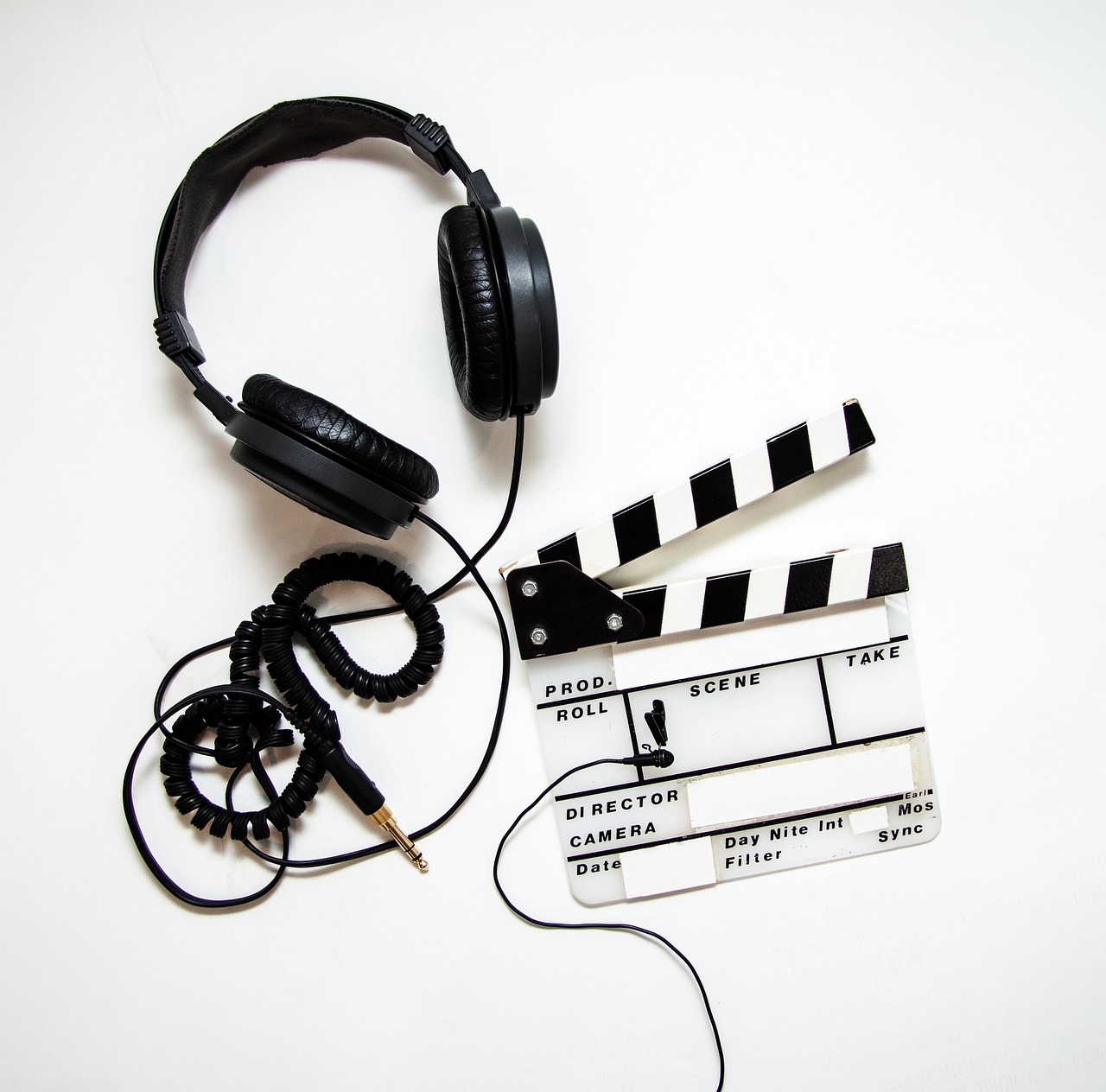
Movies as Time Capsules and Cultural Archives 🗂️
Beyond entertainment and art, films serve as historical documents preserving cultural moments, social attitudes, and technological states. Watching movies from different eras reveals how societies have changed—and what remains constant across time.
Films capture fashion, language, architecture, and daily life details that written histories often overlook. They show what people valued, feared, laughed at, and dreamed about. Even fictional stories reveal truths about their creation periods, making cinema invaluable for understanding history.
Classic films maintain relevance by addressing timeless themes through period-specific contexts. “Casablanca” remains powerful not despite its World War II setting but because it explores love, sacrifice, and moral choice—universal concerns transcending any era. New generations discover these films and find surprising resonance with contemporary life.
Preserving film heritage requires ongoing effort. Physical film degrades over time, and early digital formats become obsolete. Organizations worldwide work to restore and maintain movie archives, ensuring future generations can access cinema history. Supporting these preservation efforts protects our collective cultural memory.
The magic of movies lies in their unique combination of art, technology, commerce, and human creativity. They entertain us, challenge us, comfort us, and inspire us. Films capture the full spectrum of human experience—joy and sorrow, triumph and failure, love and loss—making visible the invisible currents of emotion and thought that define our existence. Whether you’re discovering cinema for the first time or deepening a lifelong passion, movies offer endless possibilities for connection, understanding, and wonder. So grab some popcorn, dim the lights, and let the magic begin. 🍿✨
