
Anúncios
Amazon’s Alexa has revolutionized how we interact with technology at home, transforming voice commands into a seamless part of daily life.


When Amazon introduced Alexa to the world in 2014 alongside the original Echo smart speaker, few could predict the profound impact this virtual assistant would have on modern households. What started as a simple voice-activated device has evolved into an entire ecosystem of smart home integration, entertainment control, and personal assistance.
Today, millions of people wake up to Alexa’s alarm, ask about the weather while getting dressed, and control their lights, thermostats, and security systems—all without lifting a finger. The technology represents more than convenience; it’s a fundamental shift in human-computer interaction that continues to expand into new territories.
🎙️ Understanding Alexa’s Core Technology
At its heart, Alexa is a cloud-based voice service powered by artificial intelligence and natural language processing. When you speak to an Alexa-enabled device, your voice is recorded and sent to Amazon’s servers where sophisticated algorithms analyze your request, determine intent, and formulate an appropriate response.
This process happens in milliseconds, creating the illusion of instantaneous understanding. The system continuously learns from millions of interactions, improving its ability to recognize accents, understand context, and handle complex multi-step requests.
The wake word “Alexa” activates the listening mode, though users can change this to “Amazon,” “Echo,” or “Computer” based on personal preference. This activation mechanism ensures privacy by only transmitting audio after the wake word is detected.
The Neural Network Behind the Voice
Alexa’s intelligence stems from deep learning neural networks trained on vast datasets of human speech patterns. These networks enable the assistant to distinguish between similar-sounding words based on context, handle regional dialects, and even detect emotional tone in some interactions.
Machine learning algorithms constantly refine Alexa’s performance. When the system misunderstands a command, user corrections feed back into the training data, making future interactions more accurate. This continuous improvement cycle means today’s Alexa is exponentially more capable than the version launched nearly a decade ago.
📱 The Alexa Ecosystem: Devices and Compatibility
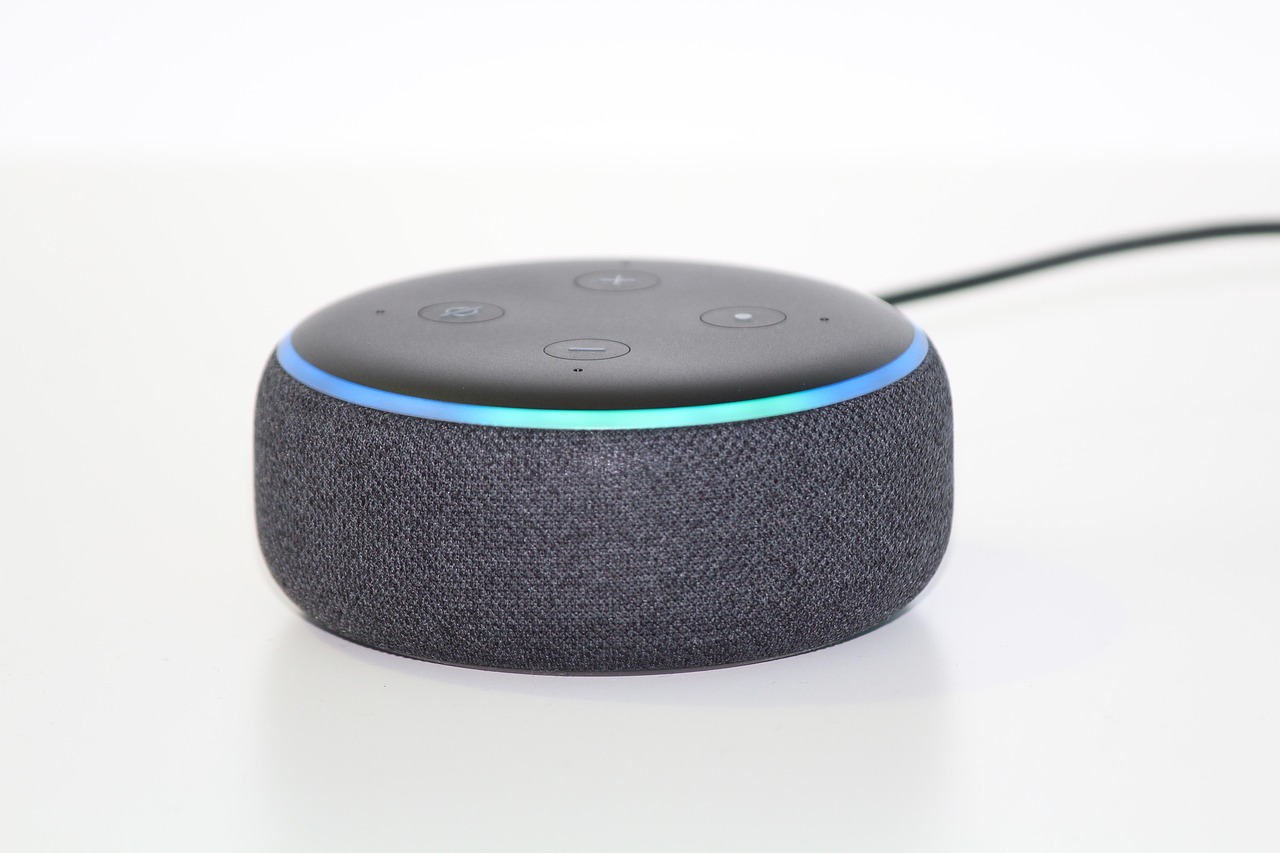
Amazon’s Echo lineup has expanded dramatically since the original cylindrical speaker. Today’s options range from the compact Echo Dot to the premium Echo Studio with immersive audio, and the Echo Show series featuring touchscreen displays for visual feedback.
Beyond Amazon’s own hardware, Alexa has been integrated into thousands of third-party devices. You’ll find Alexa built into smart thermostats, televisions, refrigerators, automobiles, and even eyeglasses. This ubiquity has made Alexa one of the most accessible virtual assistants on the market.
The Alexa app serves as the central hub for managing all these devices. Available for both iOS and Android, the app allows users to configure settings, create routines, install skills, and review voice history. It’s the command center that orchestrates your entire smart home symphony.

Popular Alexa-Enabled Devices
The Echo Dot remains the bestselling entry point, offering full Alexa functionality in an affordable package perfect for bedrooms, offices, or kitchens. Its compact size belies impressive capabilities that match larger devices in everything except audio quality.
For audiophiles, the Echo Studio delivers room-filling 3D audio with Dolby Atmos support, automatically tuning itself to your room’s acoustics. Meanwhile, the Echo Show 10 features a rotating display that follows you around the room during video calls or while watching content.
Third-party integrations have brought Alexa to unexpected places. Sonos speakers offer Alexa voice control, Ring doorbells answer questions at your front door, and BMW vehicles respond to voice commands while driving. This interoperability creates a truly connected lifestyle.
🏠 Smart Home Control Made Simple
Alexa’s most transformative application lies in smart home management. With compatible devices, you can control lighting, adjust temperature, lock doors, monitor security cameras, and manage appliances using only your voice.
Setting up smart home control is remarkably straightforward. Most devices are discovered automatically when connected to the same Wi-Fi network as your Echo device. The Alexa app groups devices by room, allowing commands like “Alexa, turn off the living room lights” to control multiple bulbs simultaneously.
Routines take automation further by triggering multiple actions with a single command or schedule. A morning routine might gradually increase bedroom lights, start your coffee maker, and deliver a weather briefing—all initiated by saying “Alexa, good morning” or automatically at your wake-up time.
Compatible Smart Home Brands
Alexa works with thousands of smart home brands including Philips Hue, TP-Link, Wyze, Ring, Nest, August, and Ecobee. This extensive compatibility means you’re rarely locked into a single ecosystem when building your connected home.
Matter, the new smart home standard, promises even greater interoperability. Alexa’s support for Matter ensures future devices will connect seamlessly regardless of manufacturer, eliminating compatibility concerns that once plagued early adopters.
🎵 Entertainment and Media Capabilities
Music streaming represents one of Alexa’s most popular functions. The assistant natively supports Amazon Music, Spotify, Apple Music, Pandora, and numerous other services. Simply ask for a song, artist, genre, or mood, and Alexa begins playing immediately.
Multi-room audio allows synchronized music playback across multiple Echo devices. Create a speaker group in the Alexa app, then say “Alexa, play jazz in the whole house” to fill every room with coordinated sound.
Beyond music, Alexa controls Fire TV devices, provides podcast playback, offers audiobook narration through Audible, and can even act as a Bluetooth speaker for your phone. The versatility makes it a true entertainment hub.
Radio and Podcasts
Alexa streams thousands of radio stations from around the world through TuneIn and iHeartRadio. Whether you want local news, international broadcasts, or niche programming, simply ask and you’re connected within seconds.
Podcast integration has improved significantly, with Alexa now remembering your place in episodes, offering personalized recommendations, and supporting sleep timers for bedtime listening. The hands-free nature makes podcasts perfect for cooking, cleaning, or other activities.
💼 Productivity and Information Access
Alexa serves as a capable personal assistant for managing daily tasks. Set reminders, create shopping lists, manage calendars, send messages, and make hands-free calls—all through voice commands that keep you productive without breaking focus.
The shopping list feature syncs across all devices signed into your Amazon account. Add items by voice at home, then check the list on your phone at the grocery store. Integration with Amazon’s shopping service allows voice ordering for Prime members.
Calendar management works with Google Calendar, Microsoft Outlook, and Apple Calendar. Ask Alexa about today’s schedule, add appointments, or receive proactive reminders before meetings. The cross-platform compatibility ensures your existing workflow remains intact.
News Briefings and Information
Flash Briefing delivers personalized news from sources you select. Configure your preferred outlets in the Alexa app, then say “Alexa, what’s my Flash Briefing” for a curated audio summary of current events, sports scores, and weather.
General knowledge questions tap into Wikipedia, weather services, sports databases, and Amazon’s own knowledge graph. Alexa handles everything from unit conversions and mathematical calculations to historical facts and celebrity trivia.
🛡️ Privacy and Security Considerations
Privacy concerns naturally arise with always-listening devices. Amazon has implemented multiple safeguards including visual and audible indicators when Alexa is recording, the ability to delete voice recordings, and options to prevent human review of your audio.
The mute button physically disconnects the microphone array, providing assurance that no audio is being captured. Voice recordings can be reviewed and deleted individually or automatically through privacy settings in the Alexa app.
Amazon’s privacy policy details how voice data is used to improve services. Users can opt out of human review processes and limit data retention periods, balancing convenience with personal privacy preferences.
Best Practices for Alexa Security
Enable voice purchasing PIN requirements to prevent unauthorized purchases. Set up voice profiles so Alexa recognizes different household members and provides personalized responses while restricting access to sensitive information.
Regularly review connected skills and devices, removing those no longer in use. Update your Amazon account password periodically and enable two-factor authentication for additional security layers protecting your smart home ecosystem.
🔧 Alexa Skills: Expanding Functionality
Skills are third-party applications that extend Alexa’s capabilities beyond built-in features. With over 100,000 skills available, you can add meditation guides, language lessons, interactive games, recipe assistants, and specialized home automation controls.
Popular skills include Jeopardy! for trivia enthusiasts, Sleep Sounds for relaxation audio, MyFitnessPal for nutrition tracking, and Uber for ride requests. Skills are discovered through the Alexa app or by voice command, with most requiring simple one-time authorization.
Developers continue creating innovative skills that transform Alexa into specialized tools. Medical reminder skills help manage medication schedules, pet care skills provide feeding reminders, and fitness skills guide home workouts with voice-coached instruction.
Creating Custom Skills
Amazon provides tools for developers to build custom Alexa skills without extensive programming knowledge. The Alexa Skills Kit includes templates, tutorials, and testing environments that democratize voice application development.
Businesses use custom skills for customer service, order tracking, and brand engagement. Families create private skills for household management, while hobbyists experiment with voice-controlled projects connecting to Raspberry Pi devices and custom hardware.
👨👩👧👦 Family Features and Parental Controls
Amazon FreeTime (now Amazon Kids) transforms Alexa into a child-friendly assistant with content filters, time limits, and educational focus. Parents control which skills are accessible, set daily usage limits, and review activity through detailed dashboards.
Voice profiles allow Alexa to recognize different family members and adjust responses accordingly. Children receive age-appropriate answers to questions, while adults access full functionality, creating a shared device that adapts to each user.
Educational content flourishes on Alexa, with skills teaching math, language arts, science, and history through interactive experiences. Homework help features provide definitions, spelling assistance, and research support for school-age children.
🌍 Alexa Around the World
Alexa speaks multiple languages including English (multiple dialects), Spanish, French, German, Italian, Portuguese, Japanese, and Hindi. Multilingual mode allows households to switch between languages seamlessly, perfect for bilingual families.
Regional availability continues expanding, with localized content, skills, and smart home integrations tailored to specific markets. Cultural adaptations ensure Alexa understands regional references, holidays, and local service providers.
International expansion challenges include accent recognition, local content licensing, and regulatory compliance. Amazon invests heavily in regional development teams that ensure Alexa feels native rather than translated in each market.
🚀 The Future of Alexa Technology
Amazon continues advancing Alexa’s conversational abilities through more natural dialogue, emotional intelligence, and contextual memory. Future versions aim to anticipate needs before you ask, learning preferences and patterns to offer proactive assistance.
Integration with emerging technologies like augmented reality glasses and wearable devices promises ambient computing where Alexa accompanies you everywhere. Voice becomes the universal interface connecting all your digital experiences.
Sustainability initiatives are influencing hardware development, with newer Echo devices using recycled materials and reduced packaging. Energy efficiency improvements minimize environmental impact while maintaining performance standards.
✨ Making the Most of Your Alexa Experience
Maximizing Alexa’s value requires exploring beyond basic commands. Experiment with routines that automate repetitive tasks, discover new skills that match your hobbies, and integrate compatible smart home devices gradually to build a comprehensive ecosystem.
Voice training improves recognition accuracy, especially for users with strong accents or speech patterns. The Alexa app includes voice training exercises that help the system better understand your unique speech characteristics.
Community forums and user groups share creative applications, troubleshooting tips, and skill recommendations. Engaging with these communities reveals unexpected uses that transform Alexa from a novelty into an indispensable daily tool.
Regular feature updates arrive automatically, often adding capabilities without requiring new hardware. Staying informed about new features through Amazon’s announcements ensures you’re leveraging the latest innovations as they become available.
The journey with Alexa evolves continuously as both technology and user needs change. What begins as simple music playback often expands into comprehensive home automation, accessibility assistance, and lifestyle management that genuinely improves quality of life through thoughtful voice interaction.
